
Nala Design New Collections Brutal TImes May 2026

SUBSCRIBE TO OUR NEWSLETTER

SHOP NOW

NALA HAPPY TIMES

DESIGN

CULTURE

TASTE

TRAVEL

FOOD

THURSDAY SHOWS

UNAGI CLUB

NALA'S SHOP

DESIGN

CULTURE

TASTE

TRAVEL

FOOD

THURSDAY SHOWS

UNAGI CLUB

ARCHIVES

CONTRIBUTORS

DISCOVER

Nala's Instagram

Nala's Facebook

Nala's LinkedIn

Lisetts's LinkedIn

Nala's Tiktok

Nala's Youtube

OUR BRAND

About us

Nala's locations

FAQs

Customer service

Careers

Manifesto

HIGHLIGHT

Latest issue on 7 Sept 2025. Update every Saturday.

Thursday Show
PELIKAT’S ENGLISH COUSIN

PELIKAT’S ENGLISH COUSIN

5 min read

PELIKAT’S ENGLISH COUSIN

Men’s shirting, feminine frills and a little Oxford education.

LISETTE

SHARE

I’ve always believed that stripes and flowers make a wonderful combination. There’s something about the discipline of a stripe against the wildness of a flower that just works. It’s a contrast I’ve always loved, and one that feels very much at home at nala.

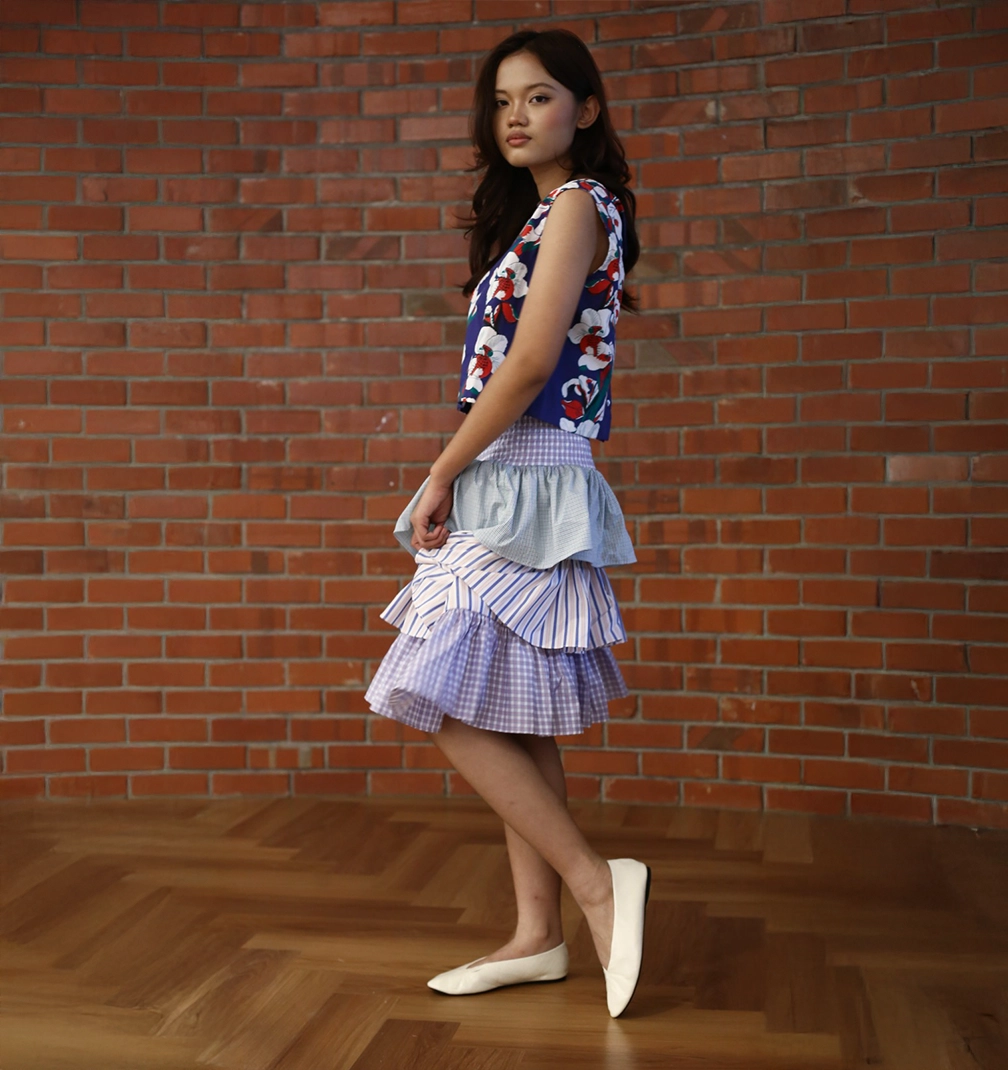
This weekend, we’re introducing our new frill skirts and balloon skirts, made from classic Oxford shirting fabrics. Think crisp cotton shirts, rolled-up sleeves and a gentleman’s wardrobe, except we’ve taken these rather proper fabrics and turned them into something altogether more feminine.

Oxford cloth has quite an interesting history. Despite its rather grand name, it didn’t actually originate at Oxford University. According to a popular account, a Scottish textile mill in the 19th century developed four fabrics named after famous universities: Harvard, Yale, Cambridge and Oxford. Of the four, Oxford became the enduring classic, eventually finding its way into the wardrobes of generations of men.

The stripes have their own story. Striped textiles have travelled across cultures for centuries, with the classic Bengal stripe tracing its roots to India before becoming a favourite in British shirting. By the 20th century, striped Oxford shirts had become part of the American Ivy League look, associated with university students, artists and that rather effortless style of dressing we now call preppy.

What I find interesting is that these fabrics were traditionally associated with men’s clothing. They’re practical, crisp and understated, which makes them all the more exciting when you introduce a frill or give them the exaggerated volume of a balloon skirt.

In many ways, I see Oxford stripes as the English cousin of our Malaysian pelikat. Both are familiar everyday fabrics, traditionally worn in quite different ways, and both have a wonderful simplicity about them. I rather like the idea of taking something so ordinary and giving it an entirely different life.
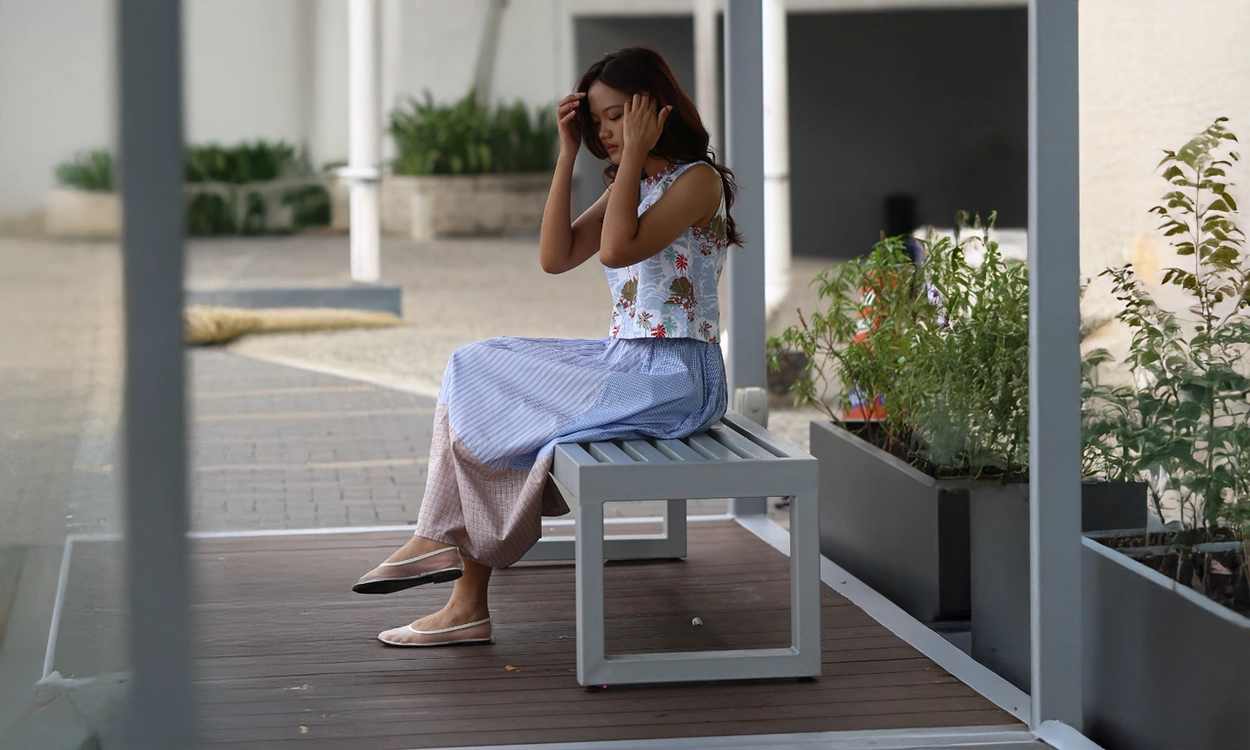
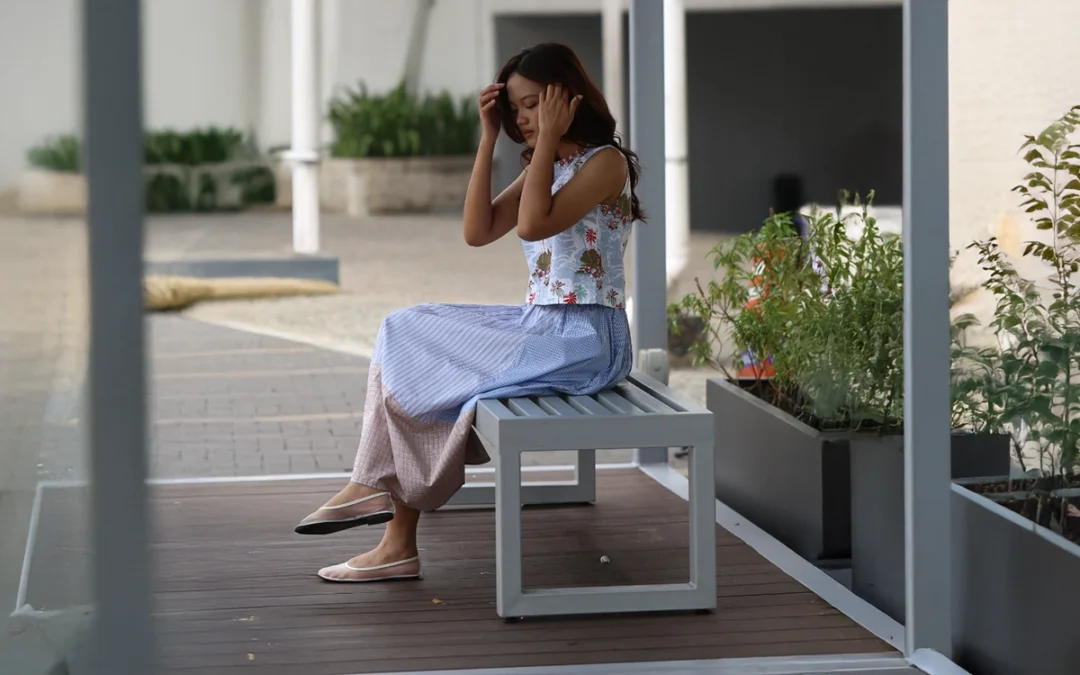
A woman in a floral cropped top and a blue and pink Oxford stripe balloon skirt sits on a bench, hands in her hair.
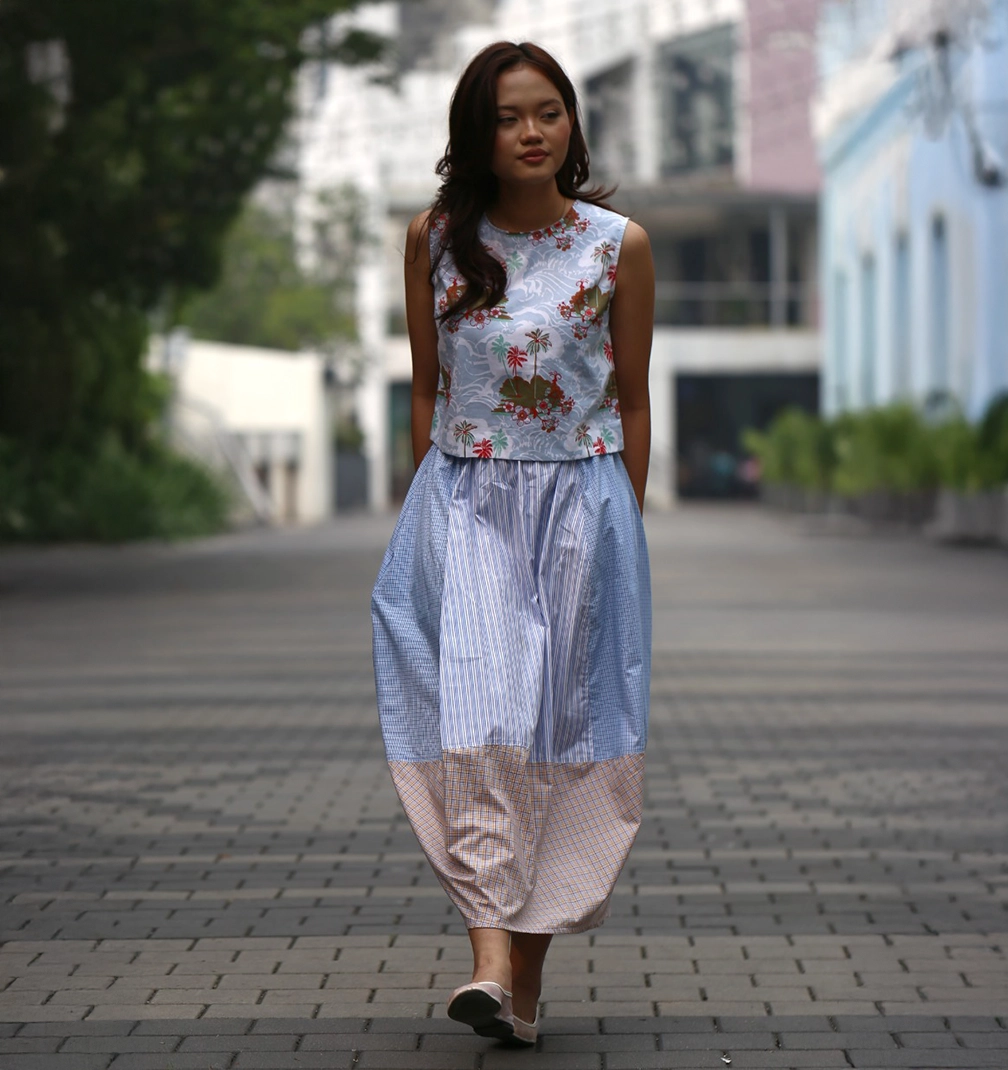
Walking down a cobbled street in a floral cropped top and a full-length balloon skirt in blue and pink Oxford stripes.
A tiered frill skirt in mixed lilac and blue Oxford stripes, worn with a navy floral top against a brick wall.

The frill skirt is particularly clever because it can also be worn as a top. Wear it around your waist as a skirt or pull it up and wear it as a top, giving you two completely different looks from one piece. The balloon skirt, meanwhile, is all about shape and volume. I love both worn with our floral prints, although they’re equally lovely with a simple T-shirt or even more stripes.

We sourced all the fabrics from a little shop in Chinatown, which makes this collection especially meaningful to me. I love discovering these fabric shops and supporting the people who keep them going. The skirts are made in-house by our own team, something I’m particularly proud of, because there’s nothing quite like seeing an idea go from a roll of fabric to a finished piece.

Our new frill and balloon skirts launch this weekend in all our Malaysian stores. Singapore will have to wait a little longer until our new store at Great World reopens.

I hope you’ll have as much fun wearing them as we’ve had making them. After all, who says men’s shirting has to stay in a man’s wardrobe?
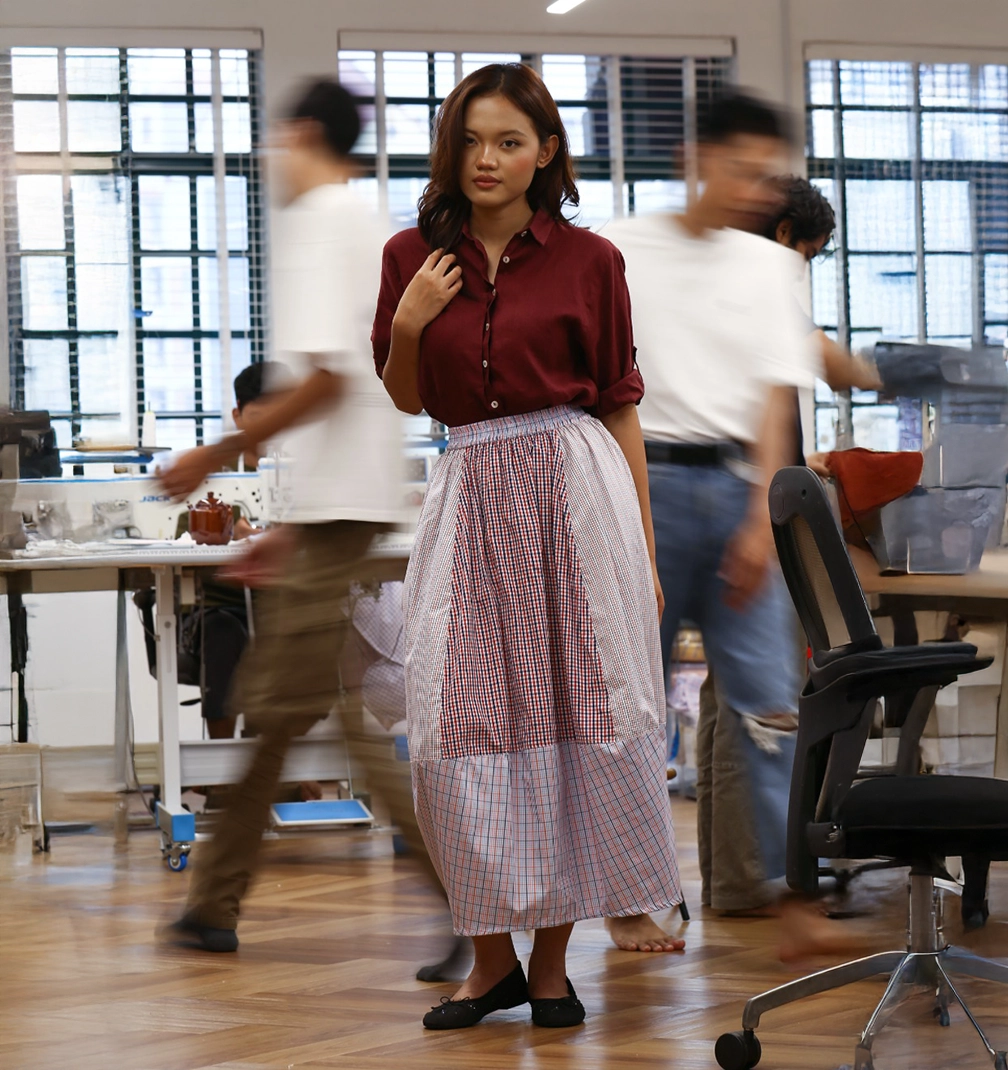
A maroon shirt with a red and white checked Oxford balloon skirt, photographed in the nala workroom.
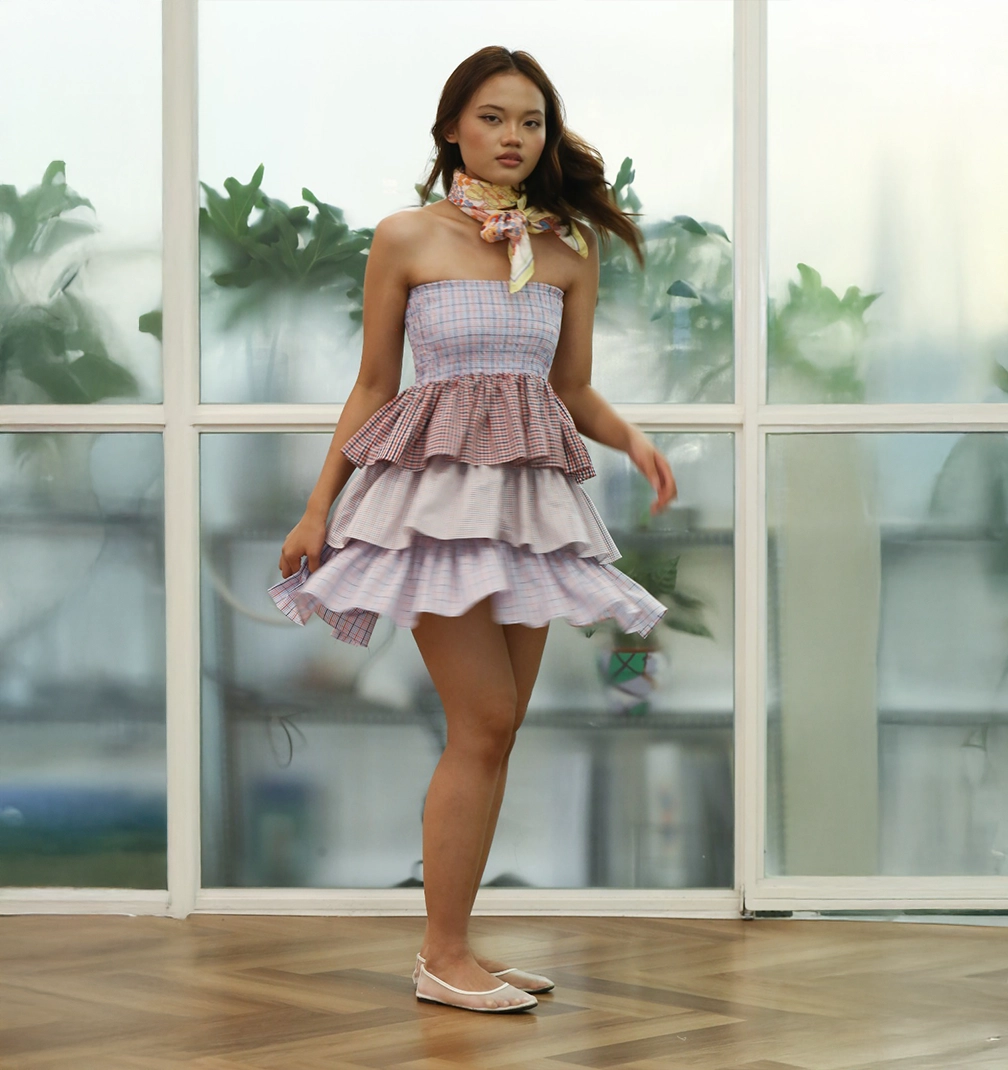
The frill skirt pulled up and worn as a strapless top-dress in pink and lilac checks, with a silk scarf.
A Malaysian summer in Holland

A Malaysian summer in Holland

5 min read

A Malaysian summer in Holland

There’s nothing quite like summer in Europe.
The long evenings, the warm light, and that magical golden hour when everything seems to glow.

LISETTE

SHARE

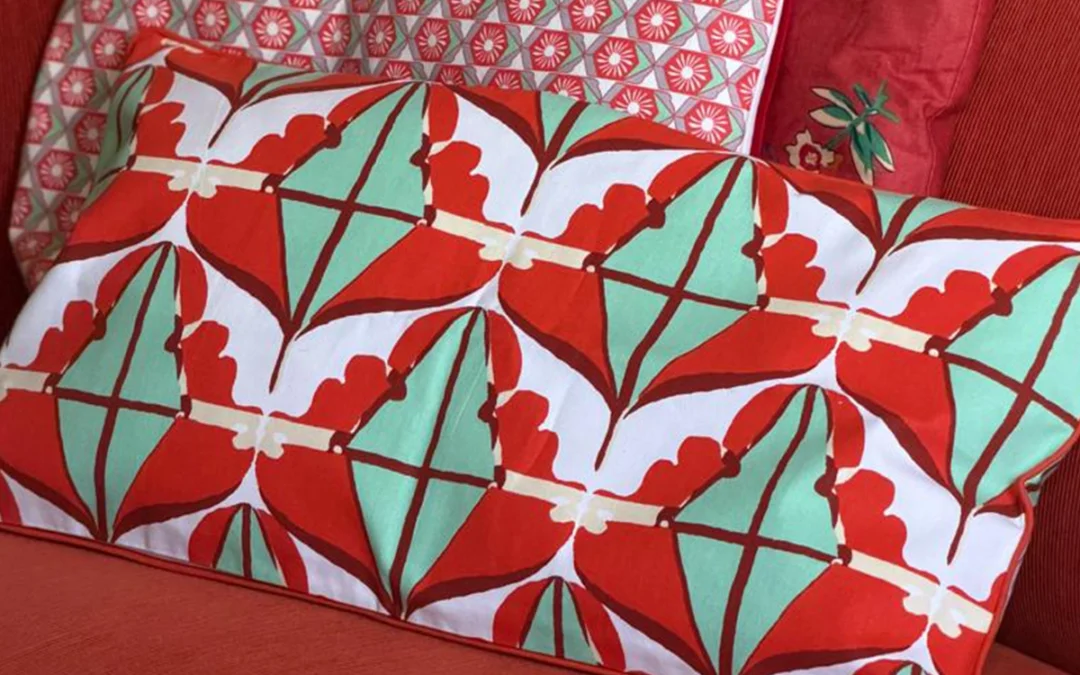
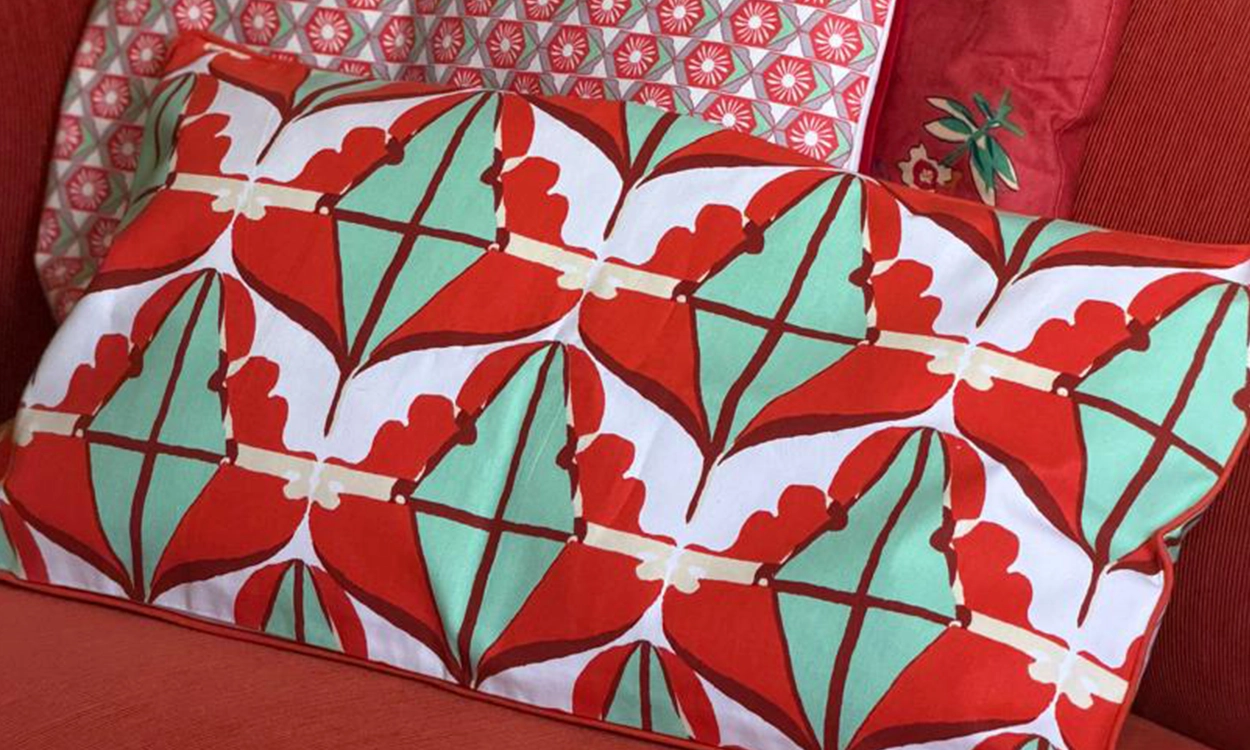
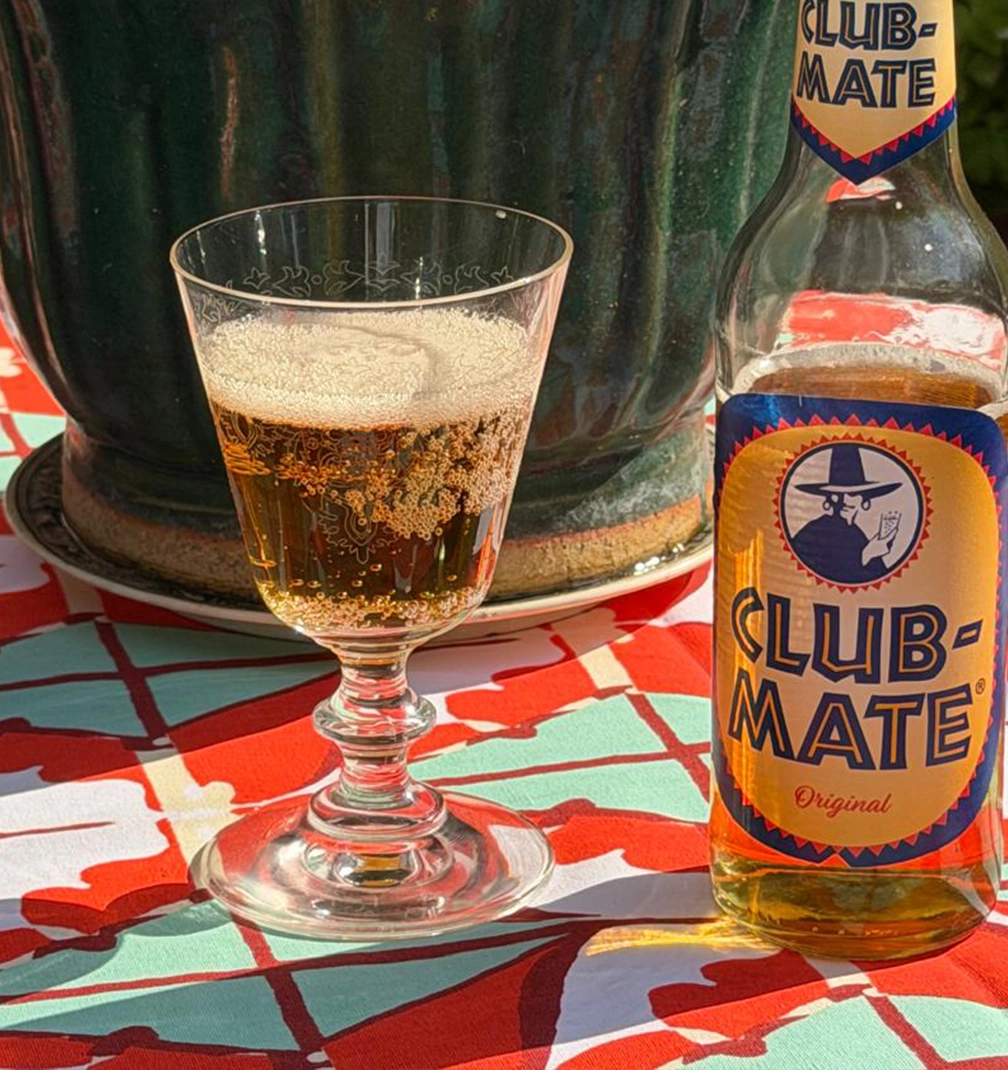
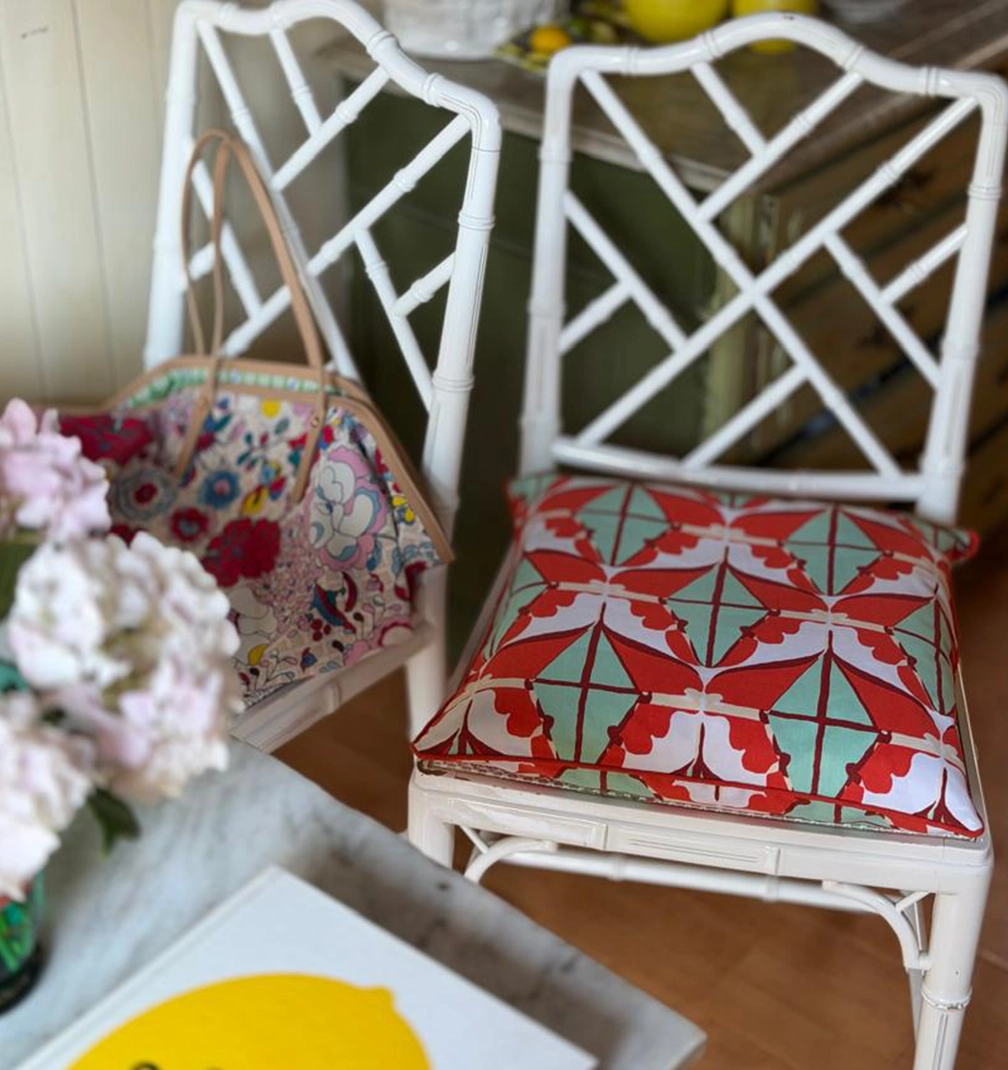
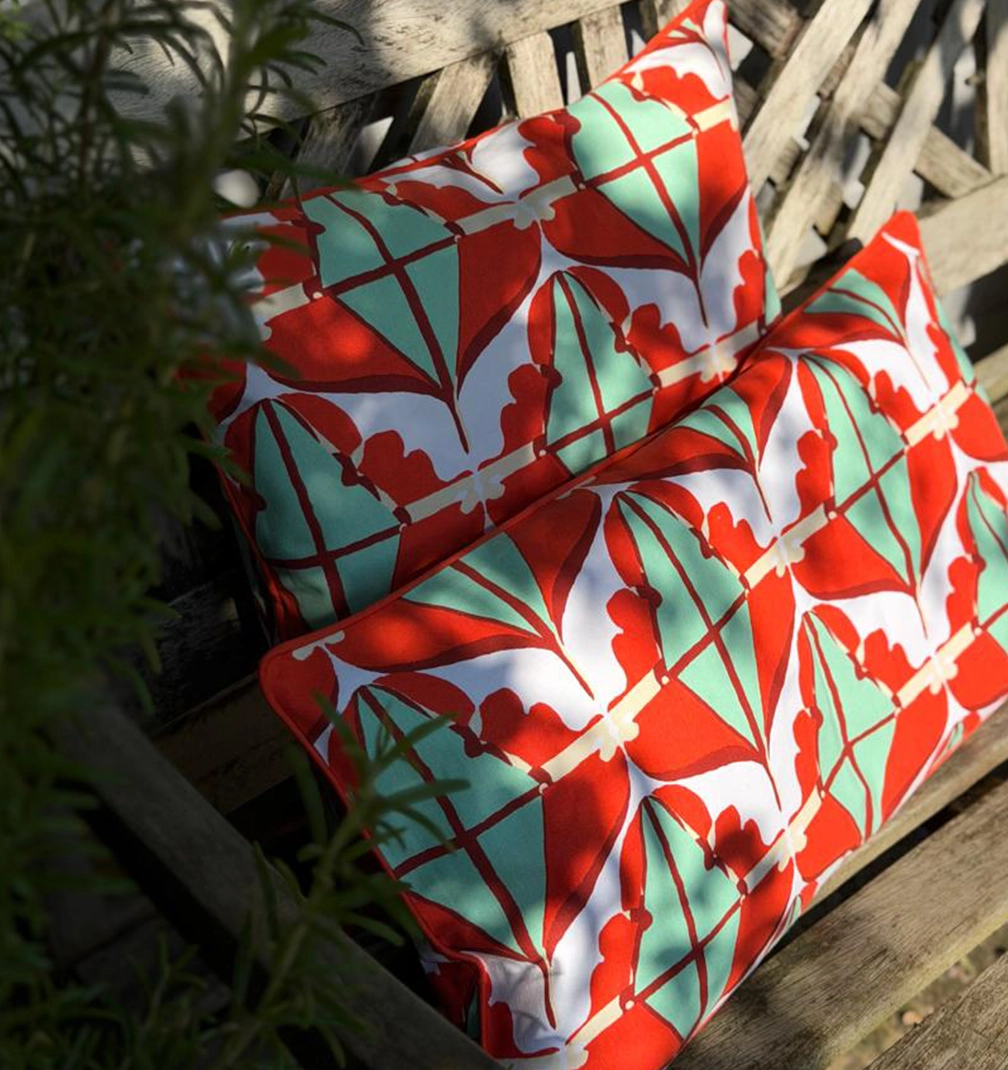
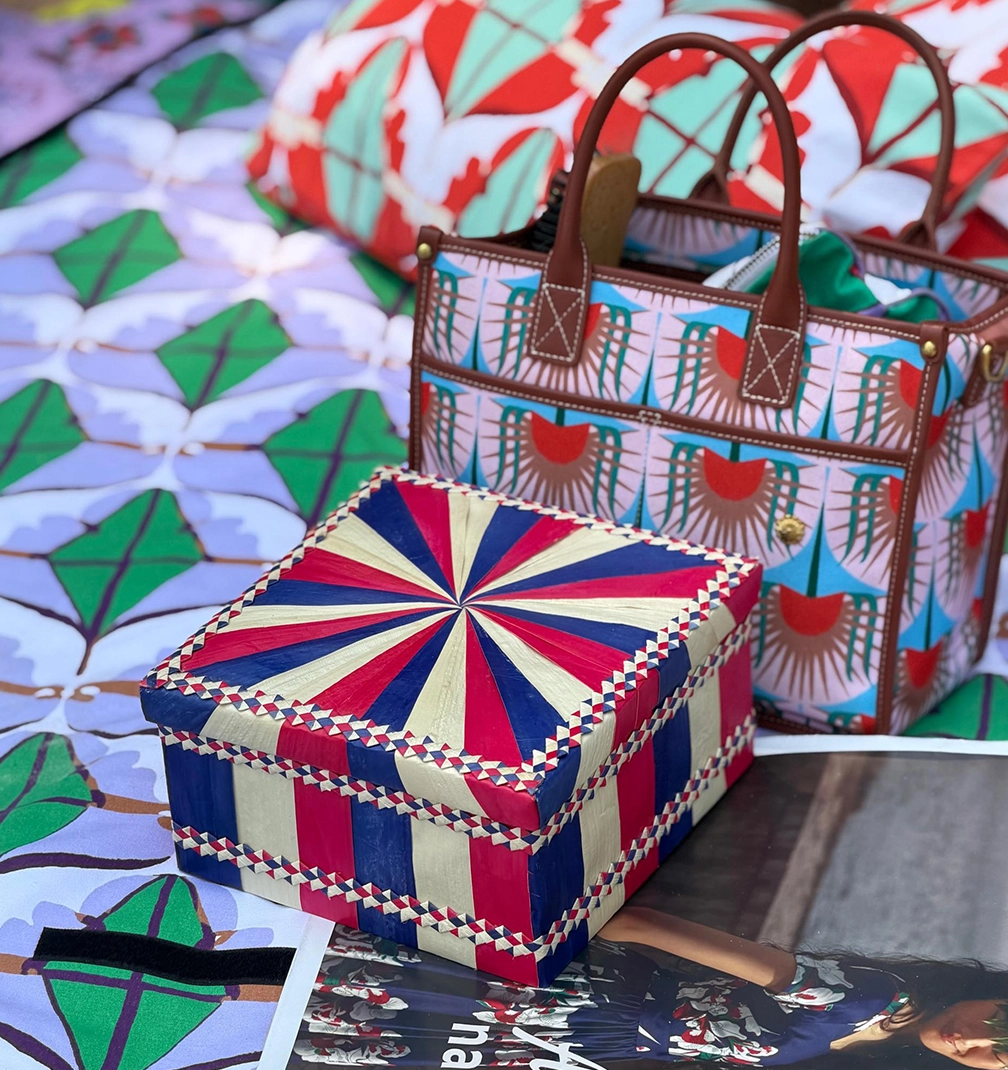
I photographed our new collection, DIAMOND BRICK, in my mother’s garden in Holland this summer, just as the sun was setting. And I fell in love with the colours.

The print is inspired by the bunga raya, or hibiscus, Malaysia’s national flower. A symbol of courage, vitality and unity. Its five petals also represent the five principles of the Rukun Negara.

But this time, I wanted to see the hibiscus in a different light.
Warm brick reds, beautiful earthy tones, and that golden glow of a European summer evening.

It’s a little bit of Malaysia meeting Holland. Two places very close to my heart.

The skirt that thinks it is a painting.

It’s a little bit of Malaysia meeting Holland. Two places very close to my heart.

I love the warmth of this collection. It reminds me of those endless summer evenings when the sun takes forever to disappear, when the colours become richer and everything looks just a little more beautiful.

There’s something about that light that you simply cannot recreate and I’m completely in love with it.

DIAMOND BRICK launches this Saturday, with a beautiful selection of homeware and bags.

For now, exclusively online at happytimes.naladesigns.com.

The skirt that thinks it is a painting.
From skin to sketchbook to wall

From skin to sketchbook to wall

5 min read

From skin to sketchbook to wall

This one is personal.
For the opening of Strawberry Fields at JAM in PJ, we are launching our very first artist collaboration,
with Jefr of Jefr Studio.

LISETTE

SHARE

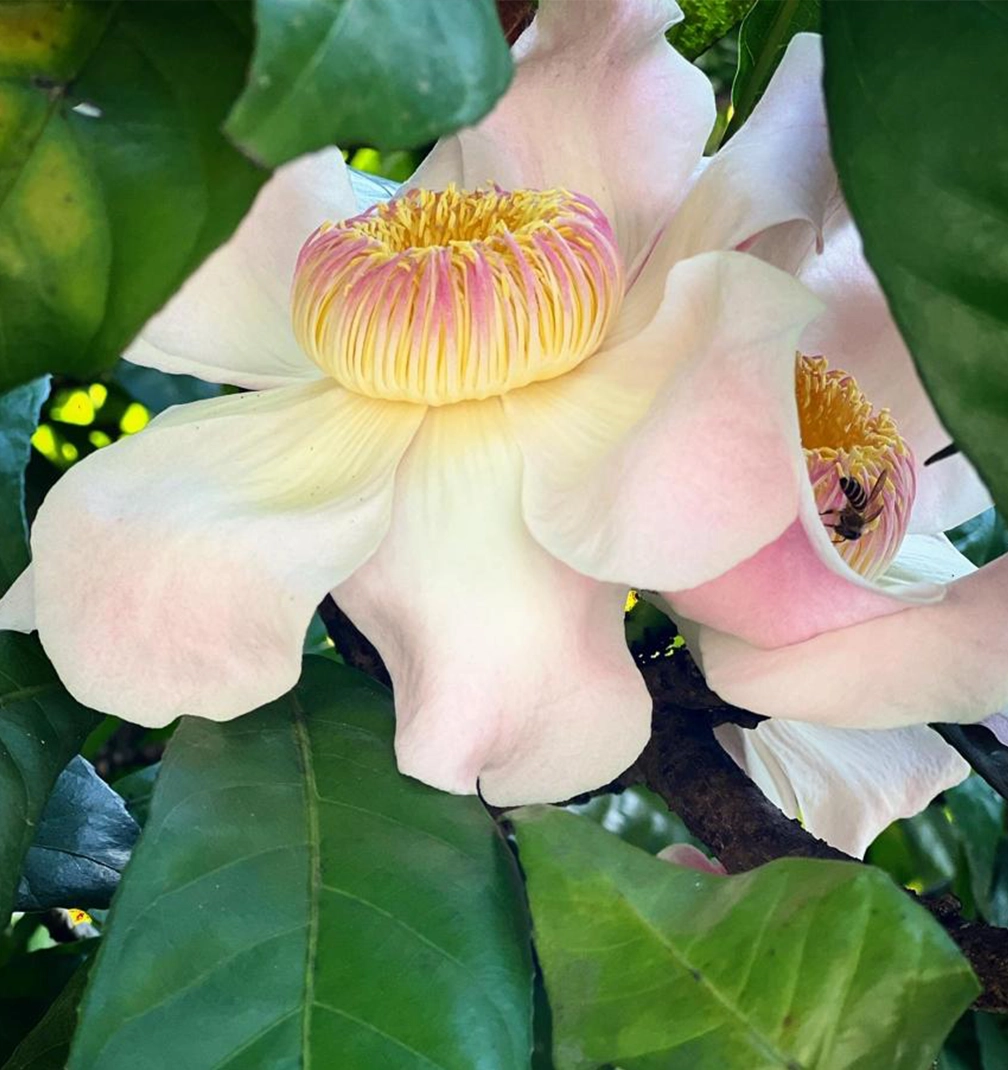
At the centre of it is the Gustavia superba, often called the Heaven Lotus. It is an extraordinary tropical flower, with an explosion of stamens at its centre and petals opening around them almost like a firework. There is something beautifully extravagant about it. A flower that refuses to be quiet. This particular flower has been part of our family for some time.

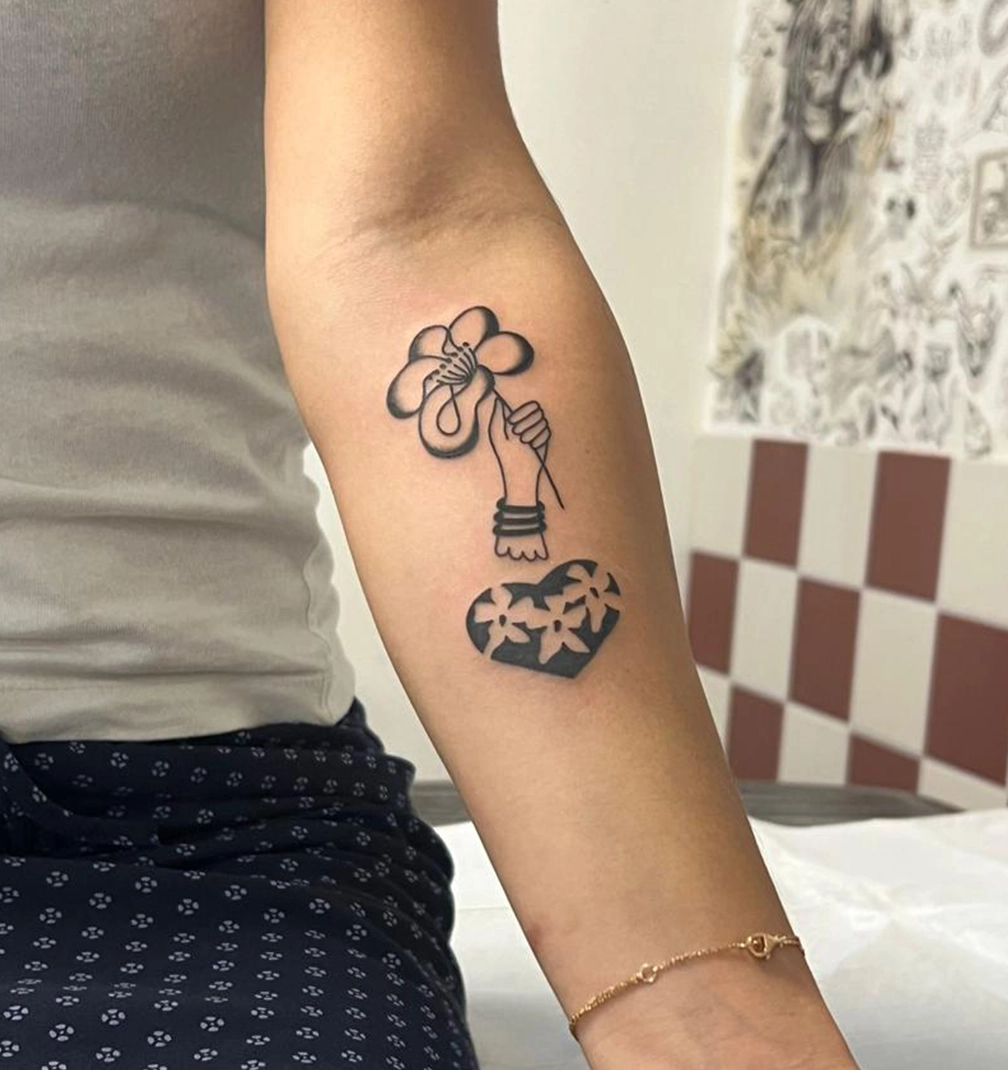
It is tattooed on my arm. It is tattooed on my daughter’s arm. The same flower, carried by two generations. And now we handed it to Jefr.

The skirt that thinks it is a painting.

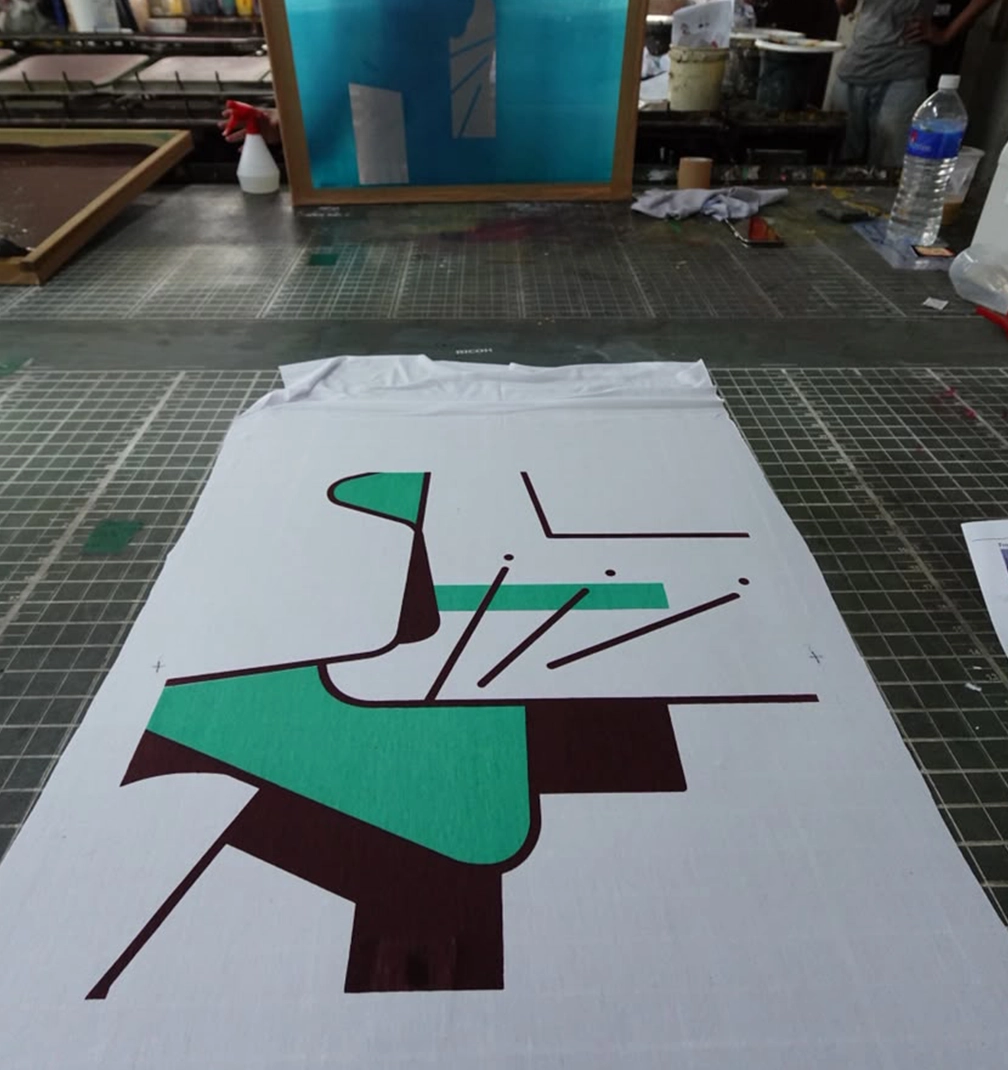
He took something already deeply personal to us and pushed it somewhere completely new, reworking the Heaven Lotus through his own graphic language and transforming it into a piece of art.

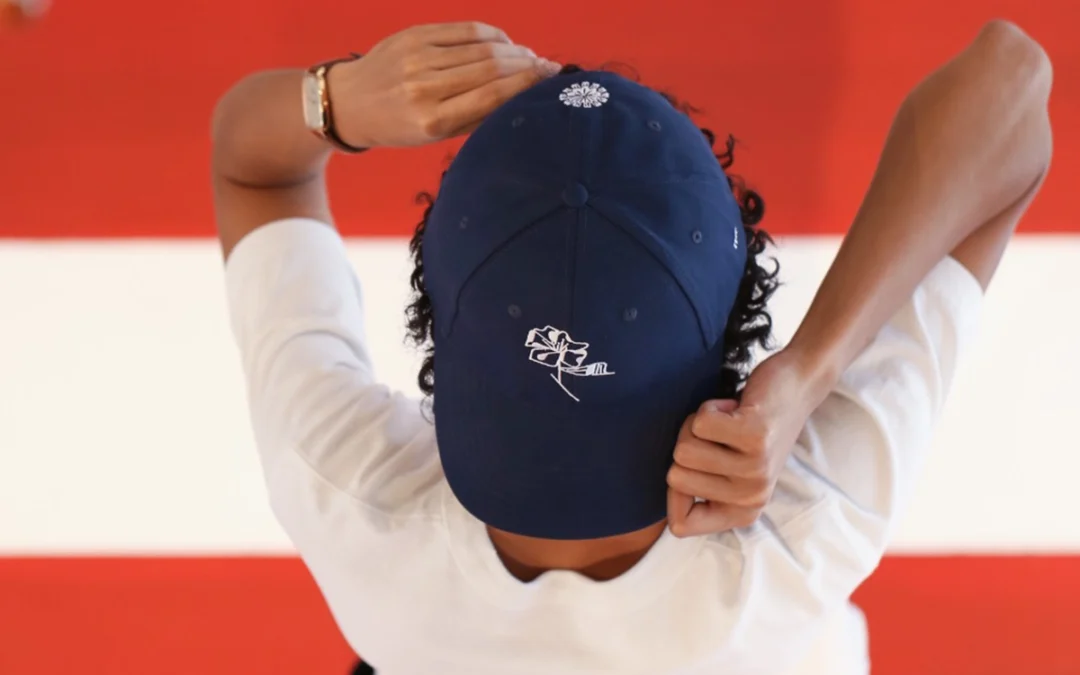
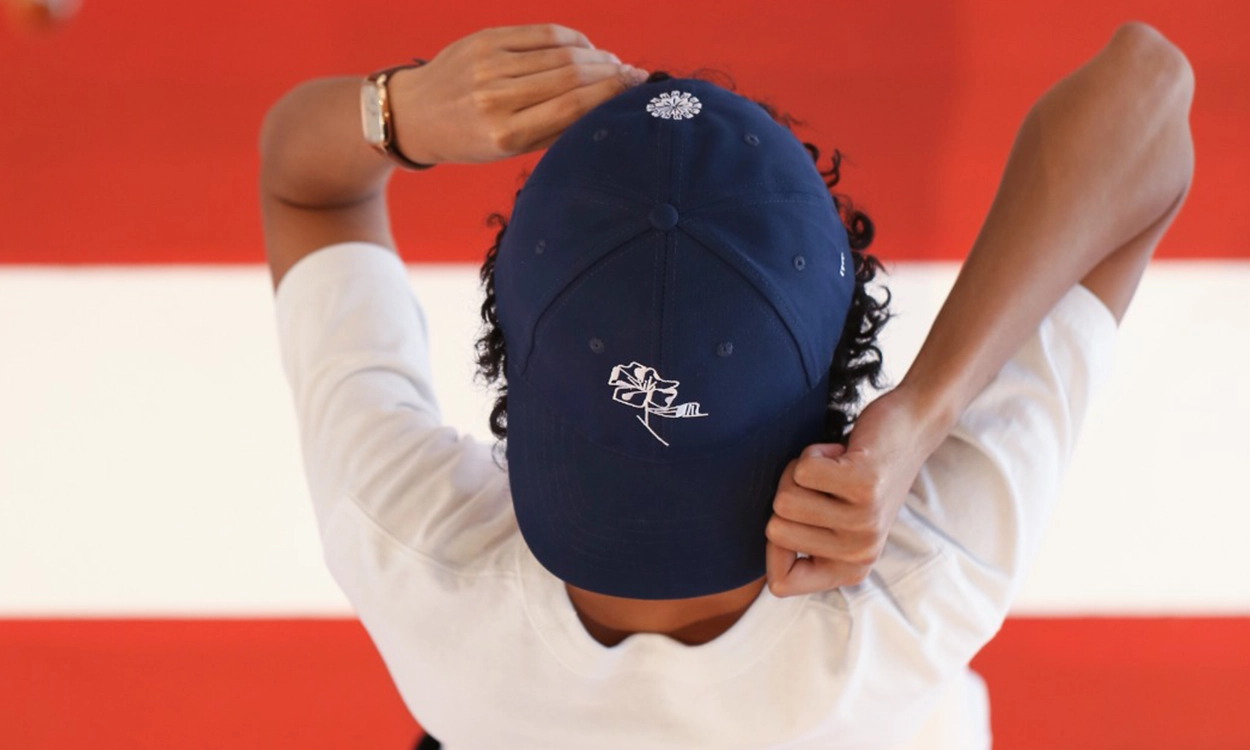
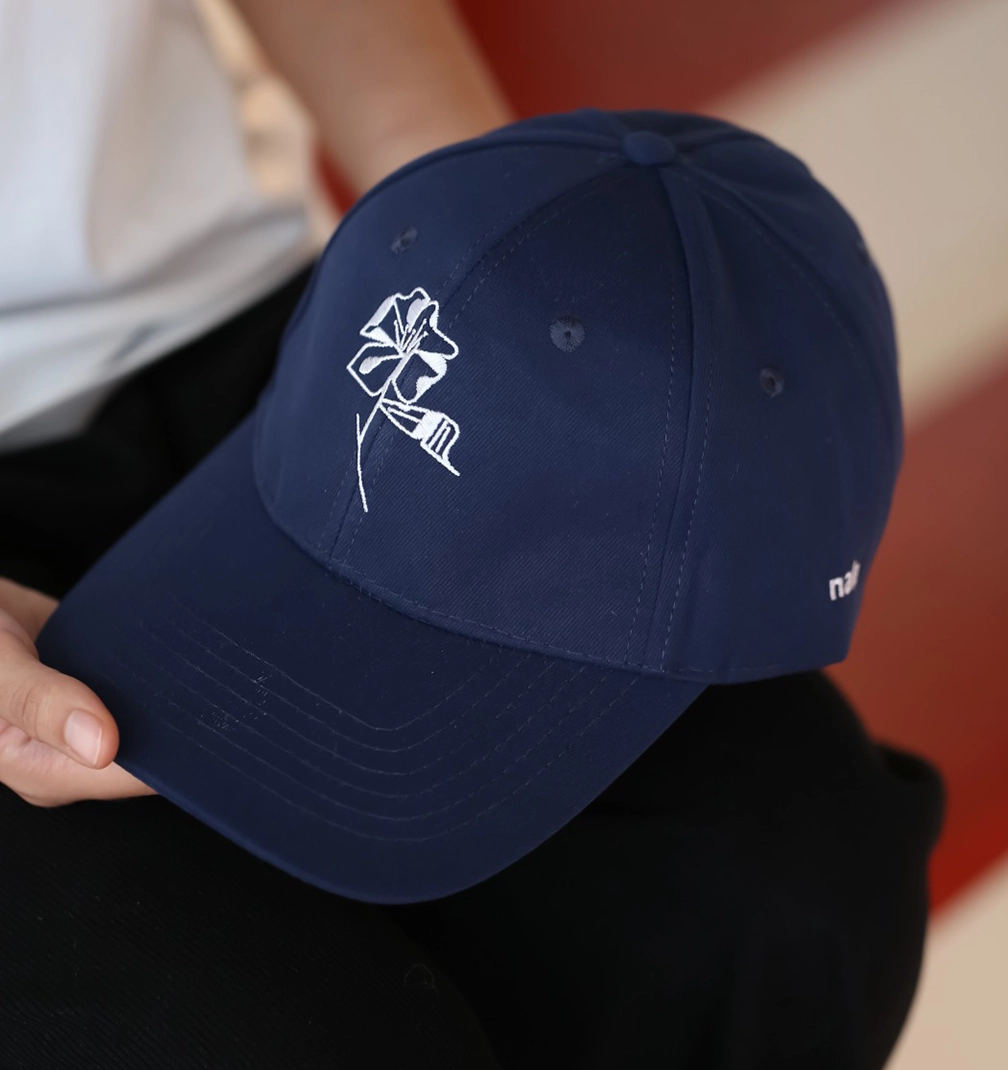
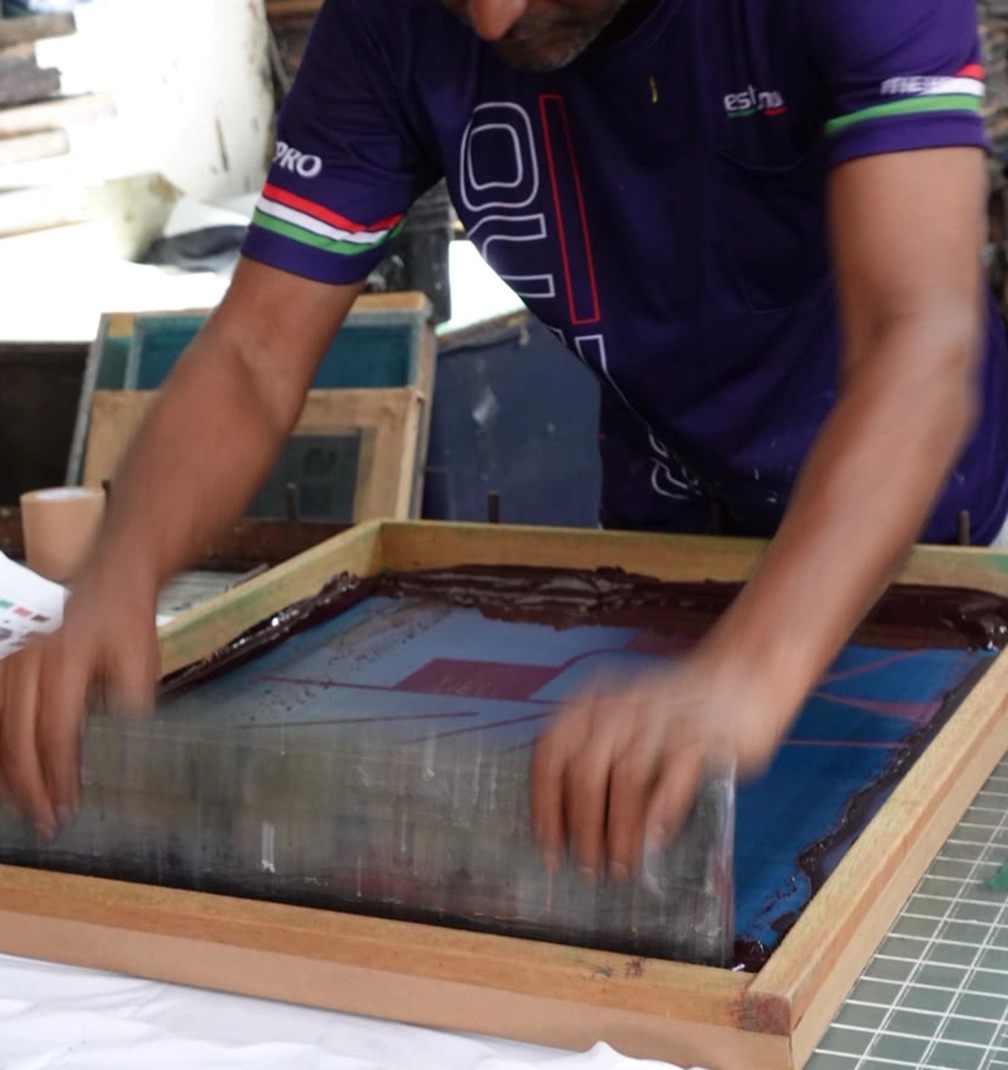
On Saturday, that artwork becomes a mural, painted live by Jefr at Strawberry Fields. It also becomes a small collection of objects: hand silk-screened T-shirts, bags, pillowcases, an embroidered cap and a limited series of artworks that Jeff will sign on the day.

Pins and keychains will follow in the weeks to come.

Jefr took it off our arms and gave it another life.

From tattoo to art. From art to wall. And now, something you can take home.

Launching this Saturday at Strawberry Fields, JAM, Petaling Jaya.

The skirt that thinks it is a painting.
What Is So Great About Picnicking?

What Is So Great About Picnicking?

5 min read

What Is So Great About Picnicking?

Even the word has a rather lovely history.

LISETTE

SHARE

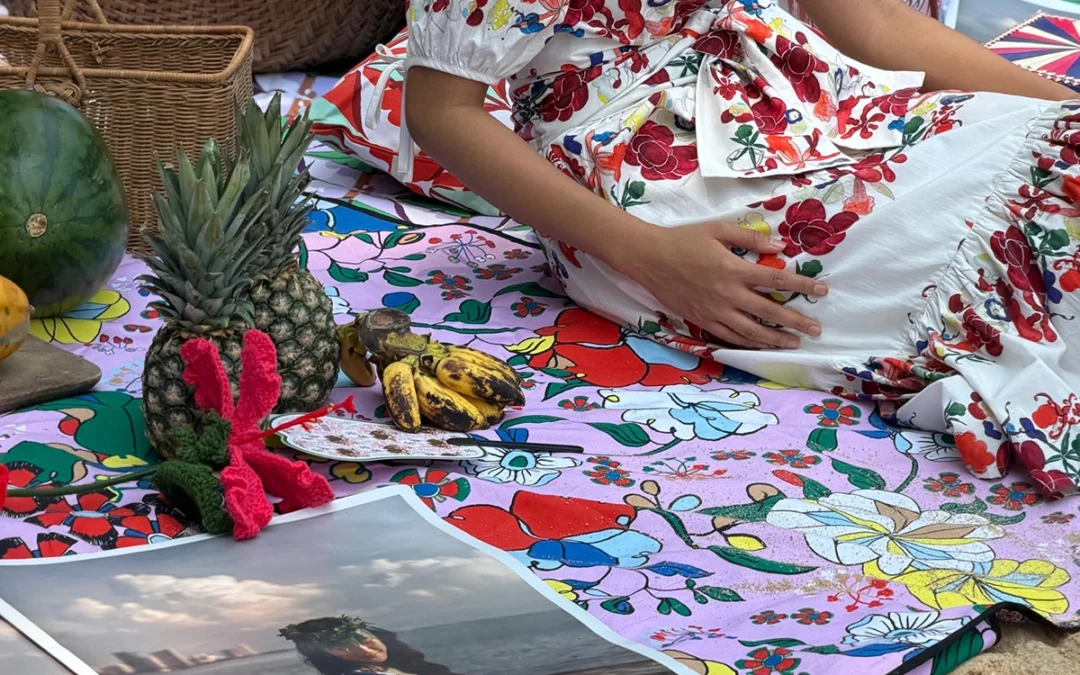
“Picnic” comes from the French pique-nique, a word that appeared in the 17th century. Originally, it wasn’t about sitting on a blanket in a park at all. It described a meal where everyone contributed something to the table. Only later did the picnic move outdoors and become what we know today: food, friends, grass, sunshine and a few hours with nowhere particularly important to be.

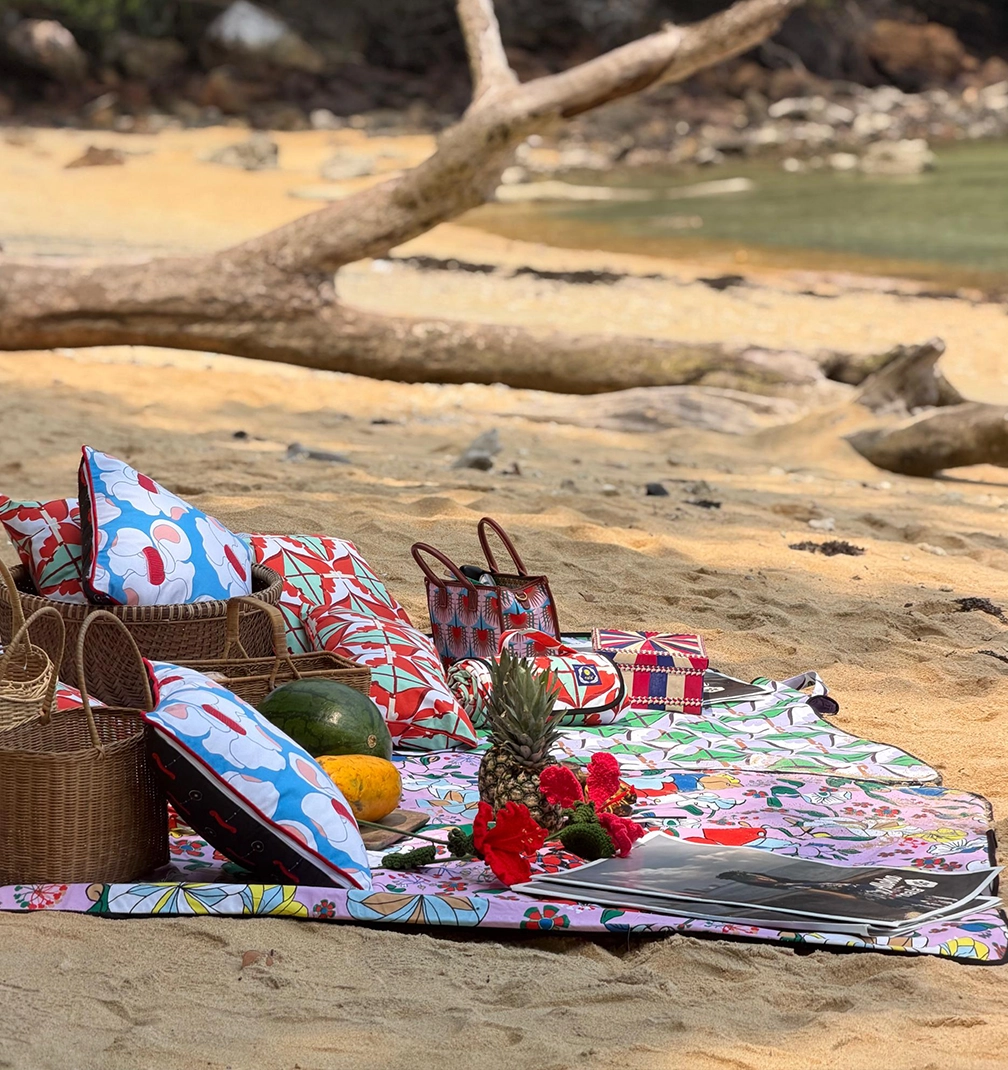
Maybe that is still what is so great about picnicking. You take a blanket. You find a patch of grass, a beach, a tree with some shade. You bring something to eat, something to drink, a book, a friend, your children, your dog, or nobody at all.

And for a little while, that patch of ground becomes yours.

The skirt that thinks it is a painting.

Which brings me to our picnic mats. They are back.

These have been a nala classic for years, but strangely enough, their story doesn’t begin with a picnic at all.

It begins with polo.
I used to play polo, and this particular type of mat comes from the polo world. Polo mallets are laid out beside the field so players can choose the mallet they need before getting onto their horses. The mat keeps everything together and, importantly, off the wet grass.

I came across these mats through polo and immediately loved how incredibly simple and practical they were. So we took the idea and made it ours.

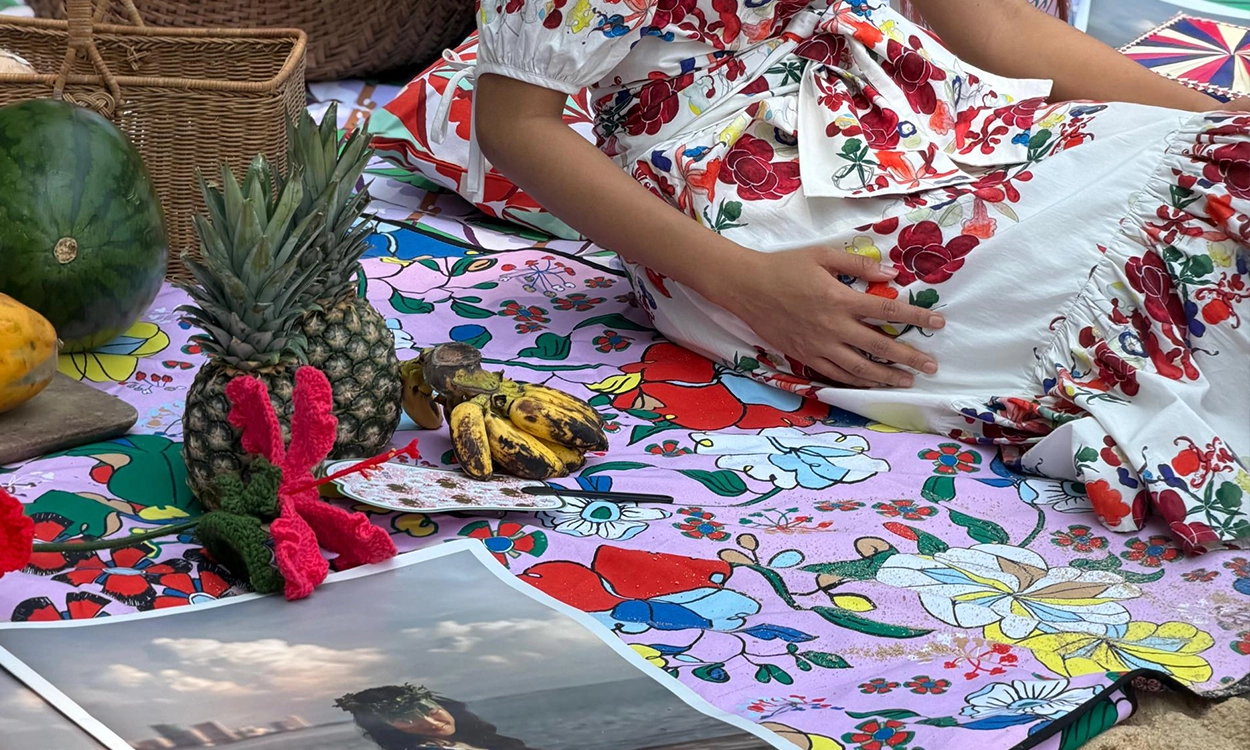
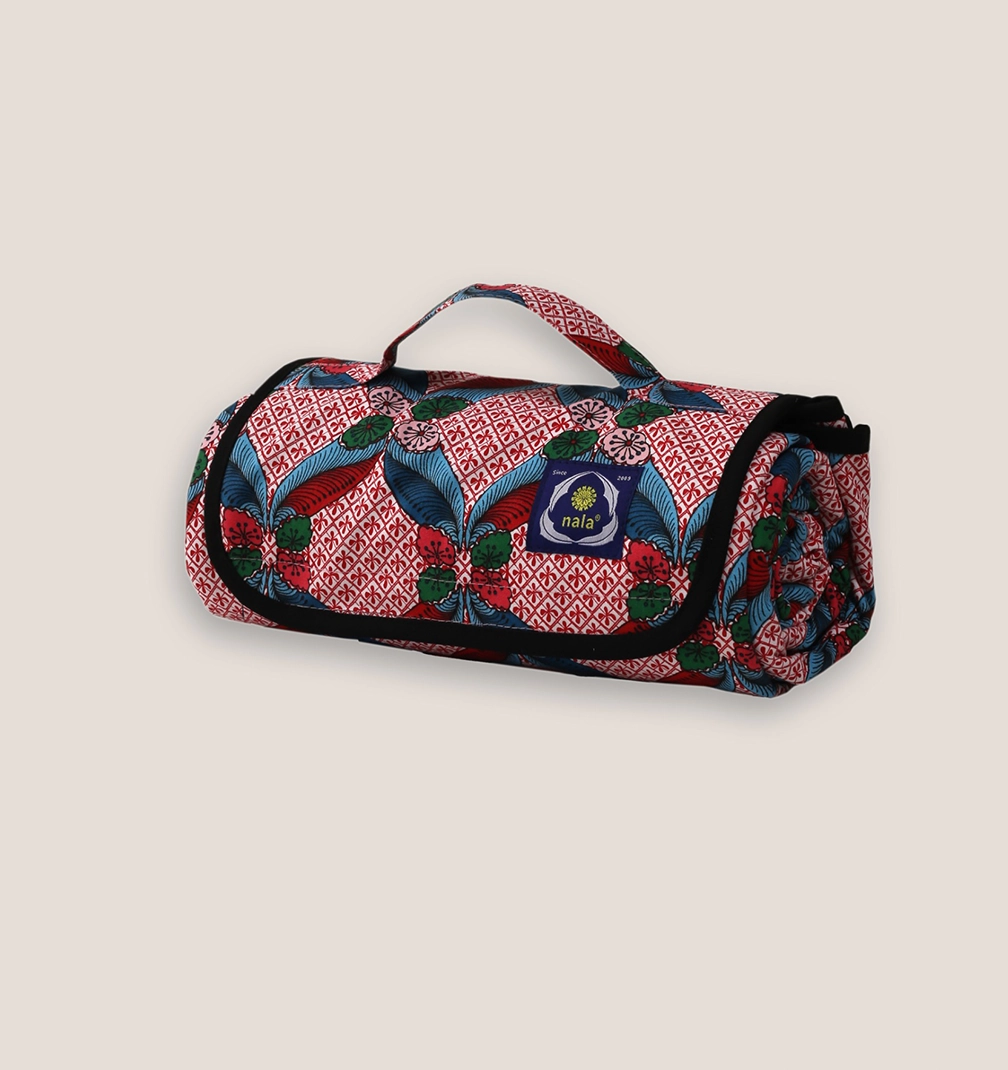
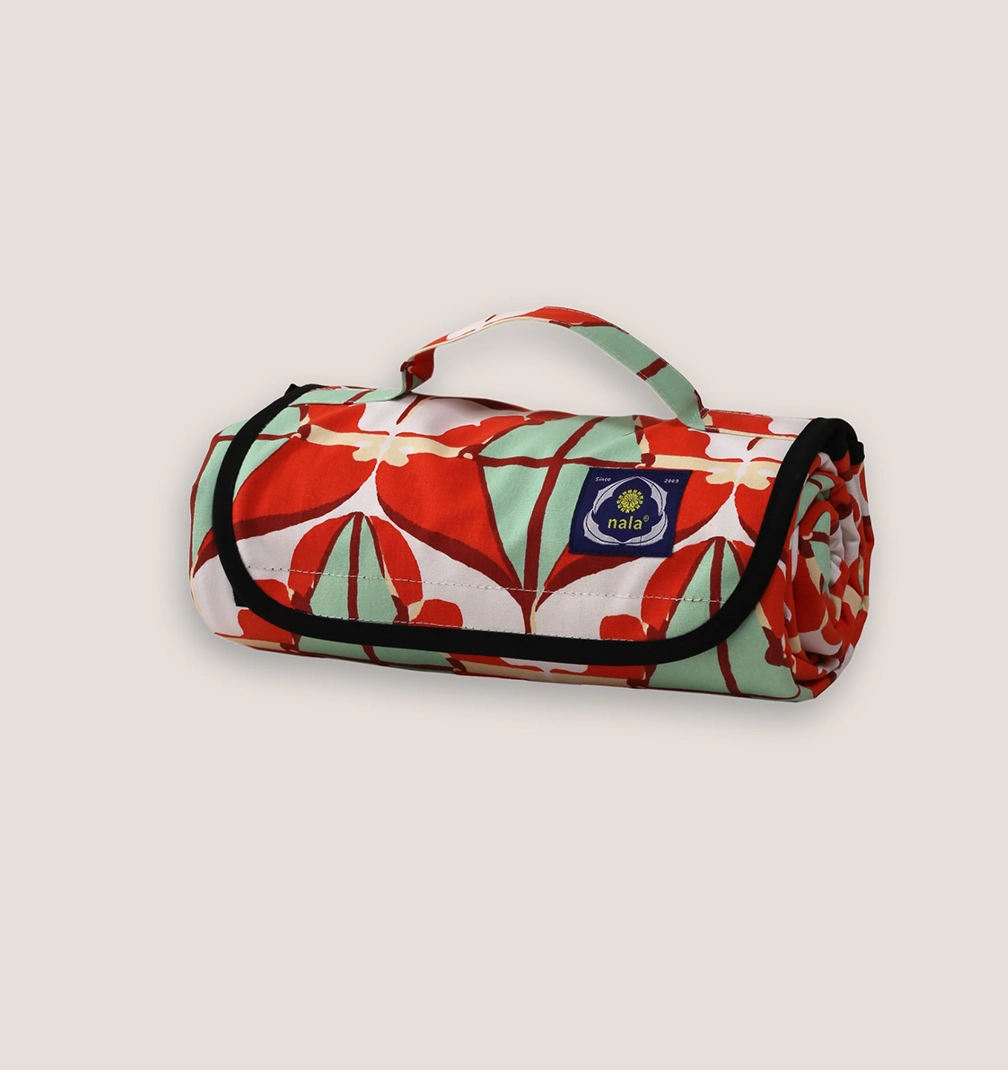
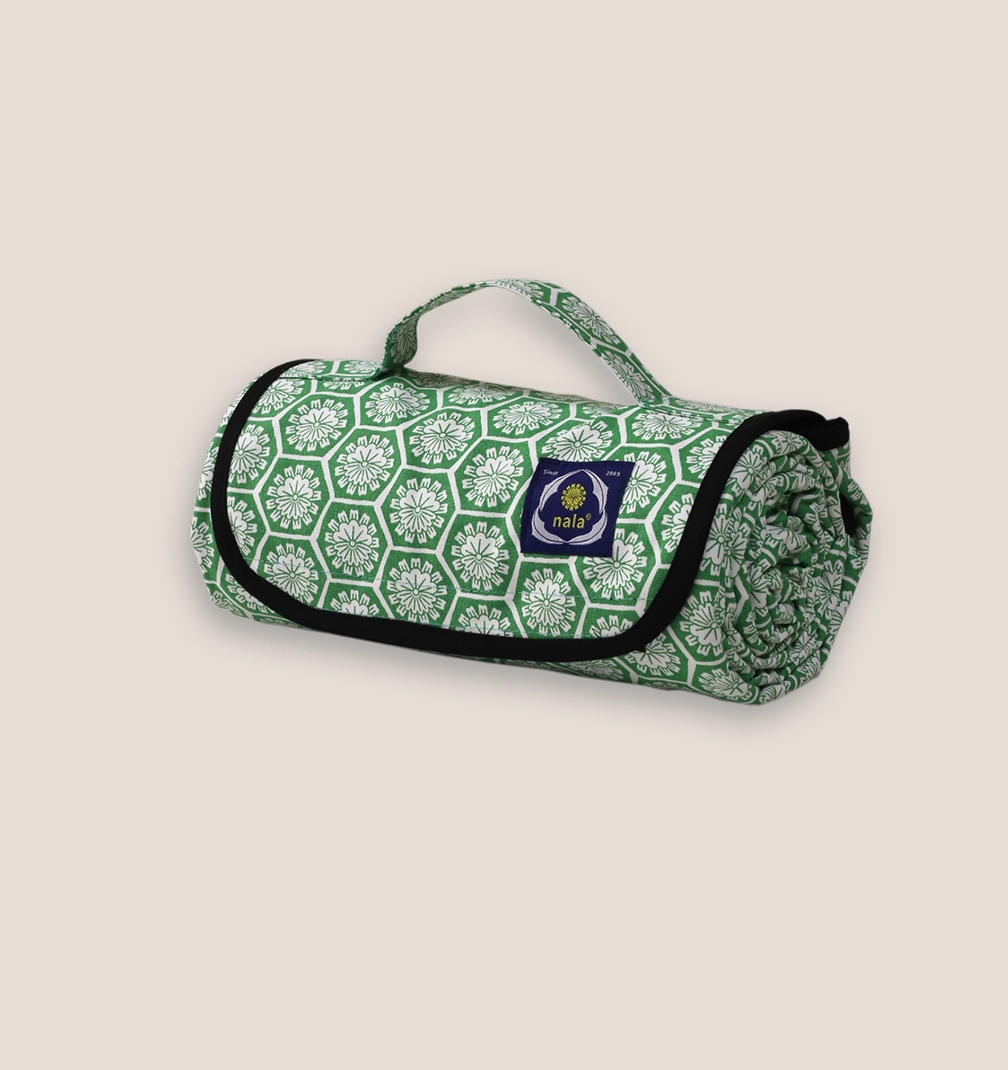
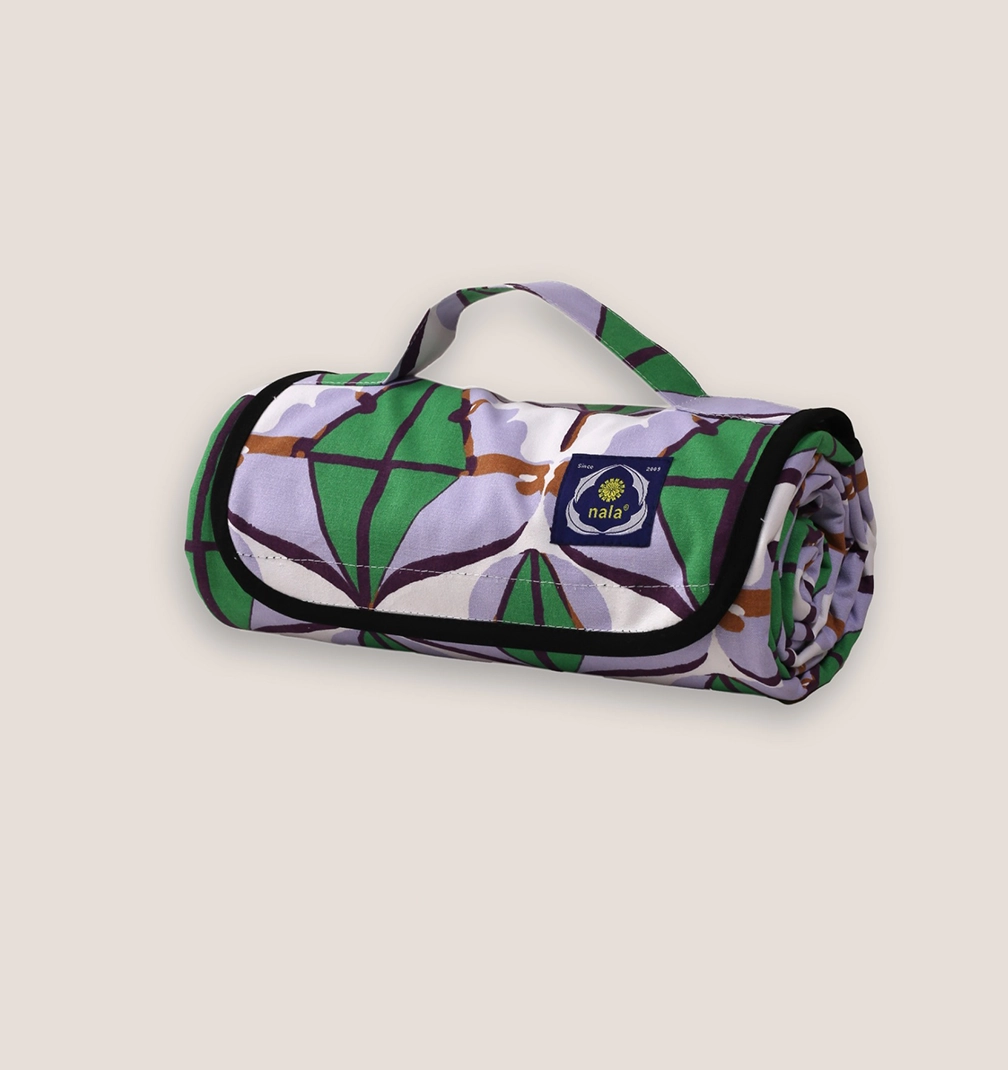
Our mats are compact, practical and reversible, with a waterproof layer underneath, so damp grass is no longer your problem. And because this is nala, both sides are completely different.

Every print begins as a hand-drawn artwork, so depending on where you’re going, what you’re wearing or simply what mood you’re in, you can flip it over and have an entirely different mat. We have taken ours everywhere.

To the park. To the beach. On holidays. Thrown into the car for those moments when sitting on the ground suddenly seems like a very good idea.

Perhaps that is what is so great about picnicking.

You don’t really need very much. Something delicious. Somewhere beautiful. Someone you like. And a good mat.

Our picnic mats are making a comeback in a handful of prints and very limited quantities. They will not be available online.

You’ll have to come and find them in our stores.

The skirt that thinks it is a painting.
The Dress That Feels Like a Holiday

The Dress That Feels Like a Holiday

5 min read

The Dress That Feels Like a Holiday

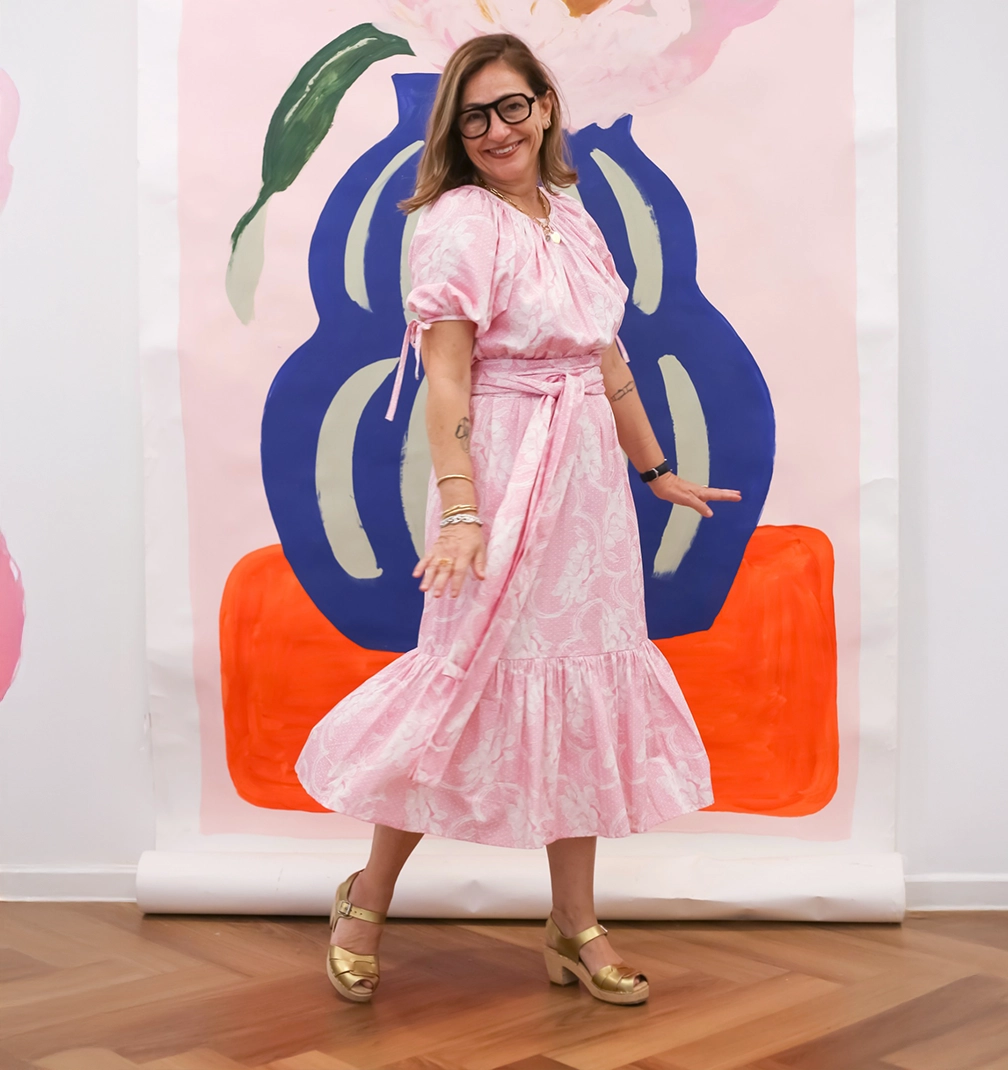
There is a dress in my cupboard that I have worn for years. I reach for it when the weather is hot, pack it when I travel, and feel good the moment I put it on. That dress inspired our new Nala Muumuu Dress.

LISETTE

SHARE

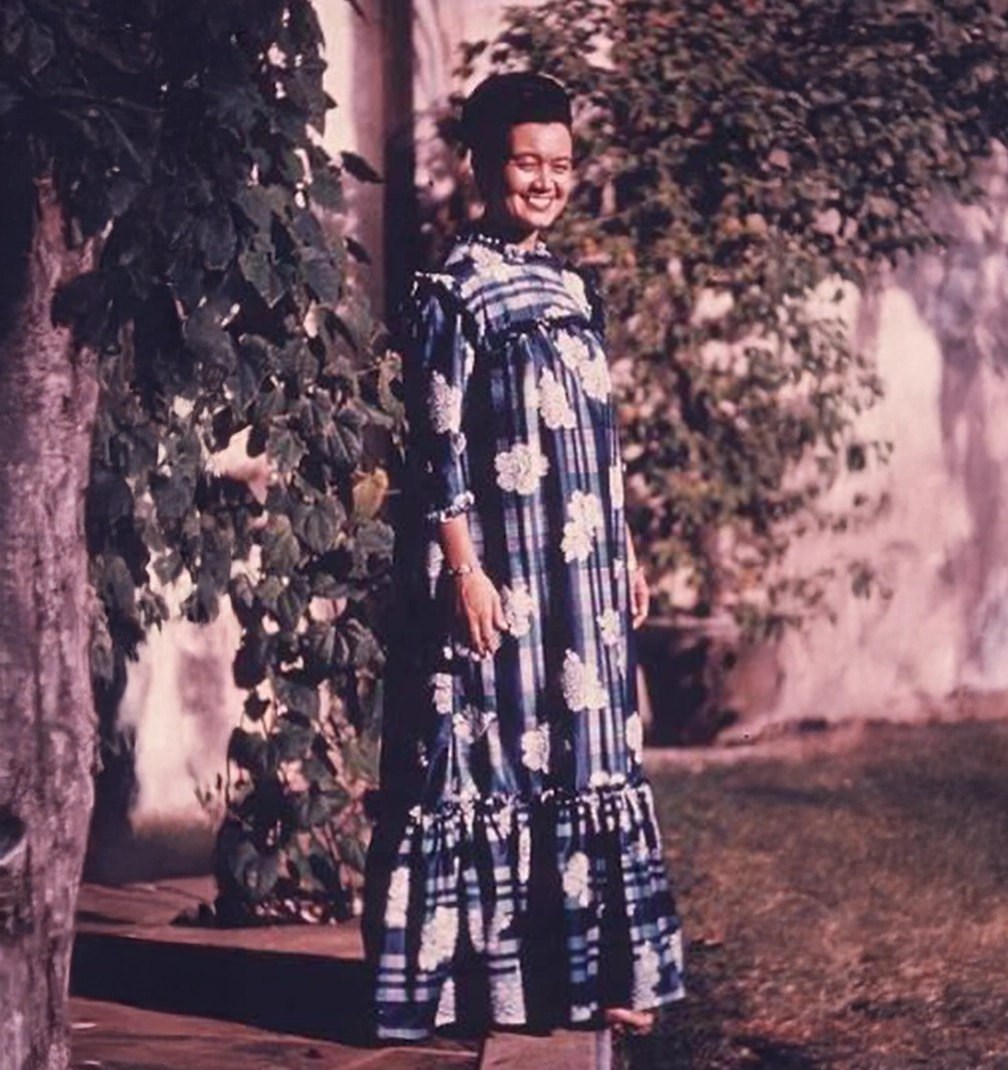
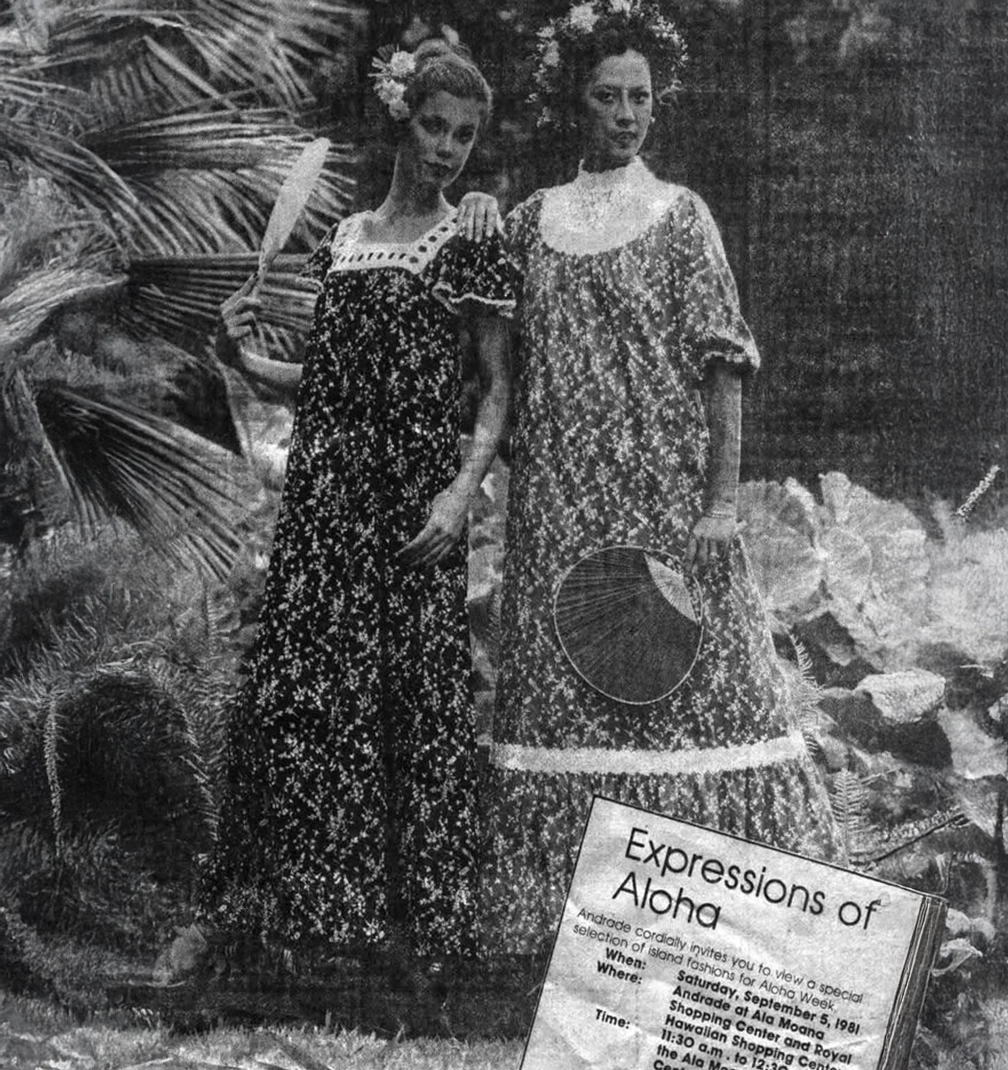
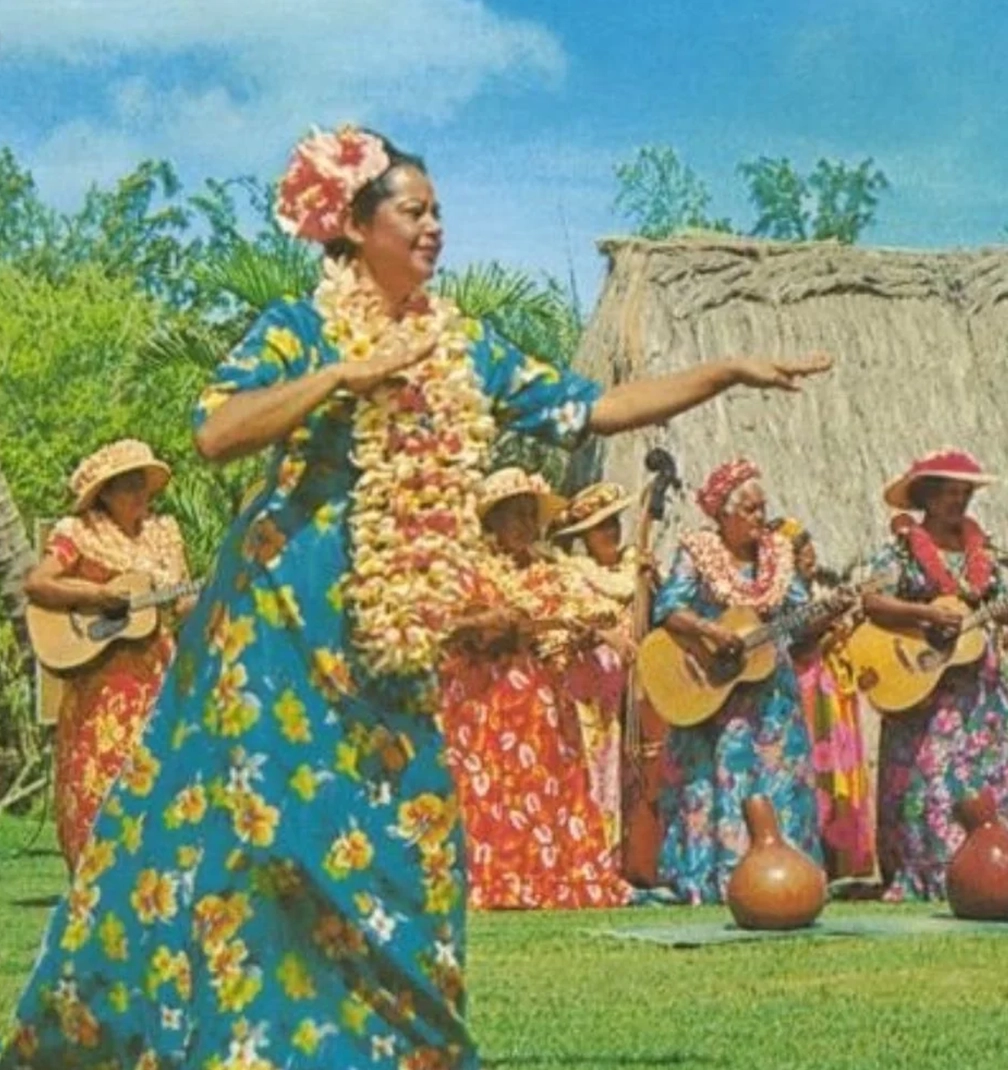
The muʻumuʻu has a history stretching back to 19th century Hawaiʻi. In 1820, Hawaiian royalty and newly arrived seamstresses worked together on a long dress called the holokū. Hawaiian women went on to adapt these garments to suit their lives and the island climate. A simpler version became the muʻumuʻu, a Hawaiian word meaning “cut off.” Through the 20th century, its comfortable shape and expressive prints made it a much loved part of Hawaiian dress.

I love the thought behind a dress made for warm weather and real life. For our Aloha series, we took that inspiration and made something unmistakably Nala. I drew the pattern by hand: our Malaysian hibiscus, our famous kingfisher, and a pink that feels light and happy.

Many people still do not realise how much goes into our fabric. We develop and weave our own cotton satin rather than buying fabric off the rack. My drawing then goes to India, where it is printed onto the fabric we have made. The result is a cotton that is beautifully light and thin, with a softness you understand as soon as you touch it. Once you put this dress on, you may not want to take it off.

The dress has an open back, and I love wearing it without a bra. When it is this hot, sometimes you simply want to feel free. It is comfortable enough for an ordinary day and beautiful enough to take on holiday.

The skirt that thinks it is a painting.

And, as always with Nala, it goes in the washing machine. I want our clothes to be worn often, cared for easily and kept for years. Hawaiian families have treasured muʻumuʻu across generations. I would love for this Nala dress, with its own Malaysian story, to be passed on one day too.

The skirt that thinks it is a painting.
Mooncakes, Lanterns & Pelikat

Mooncakes, Lanterns & Pelikat

5 min read

Mooncakes, Lanterns & Pelikat 🥮🏮

The Mid-Autumn Festival has been celebrated for more than a thousand years, traditionally
on the 15th day of the eighth lunar month, when the moon is at its fullest and brightest. 

LISETTE

SHARE

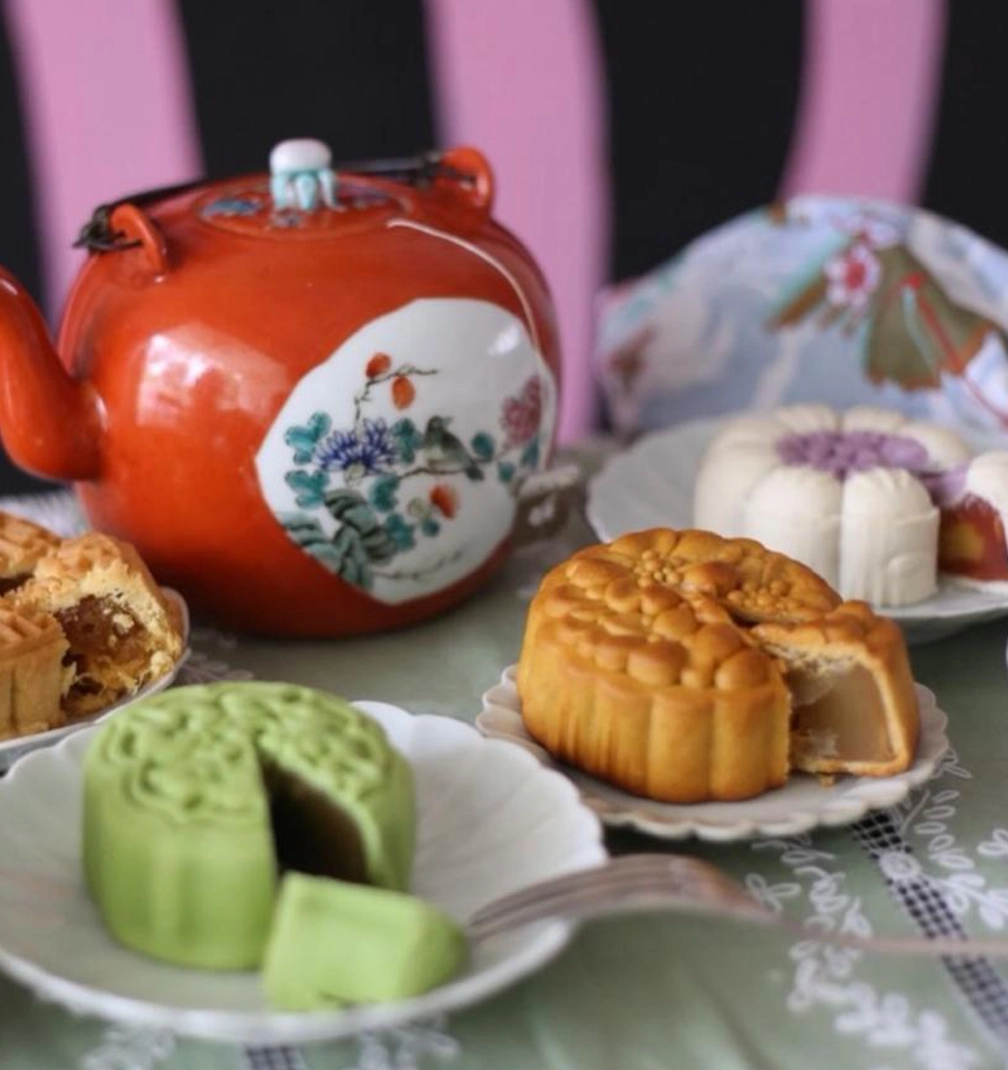
The round mooncake echoes the shape of the full moon and symbolises reunion, completeness and togetherness. Families gather, share mooncakes, drink tea and, my favourite part, light lanterns.

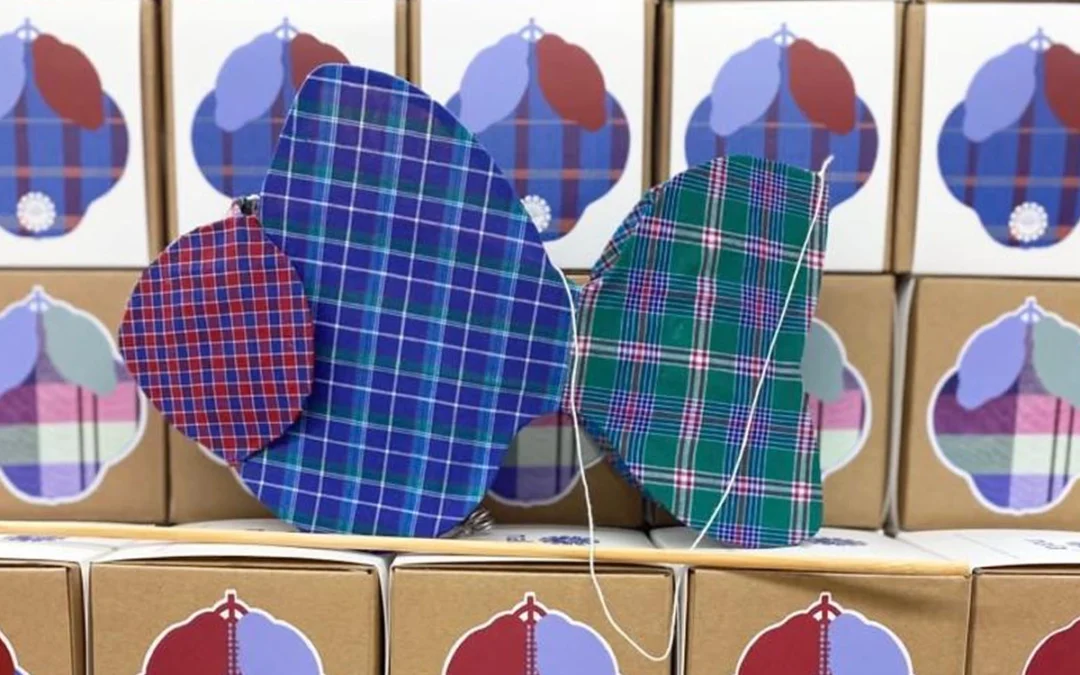
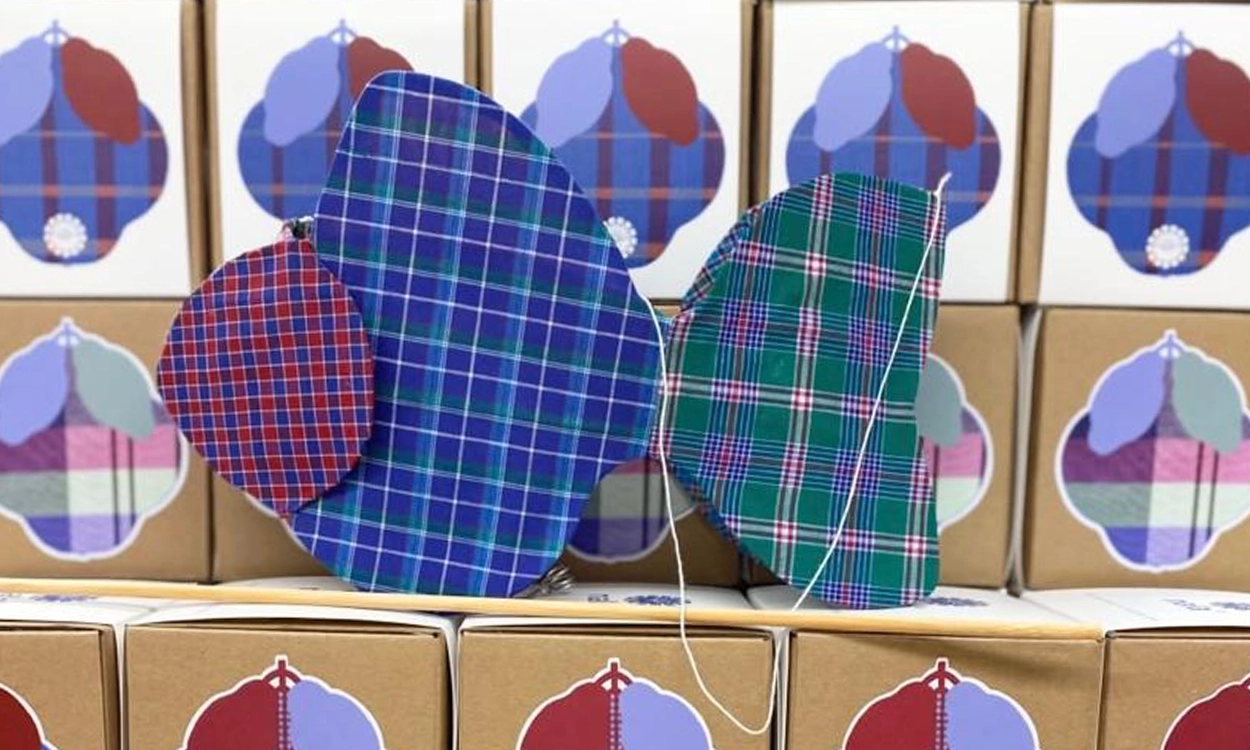
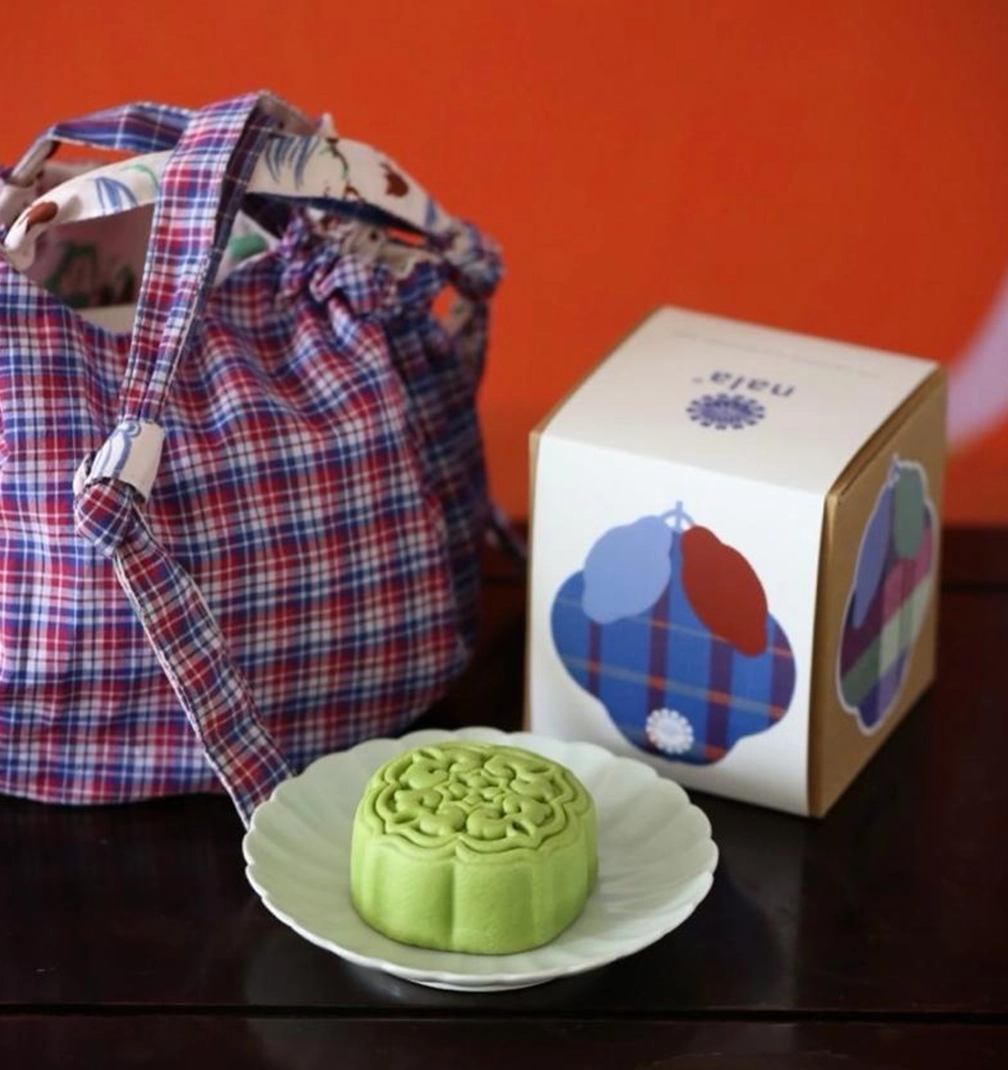
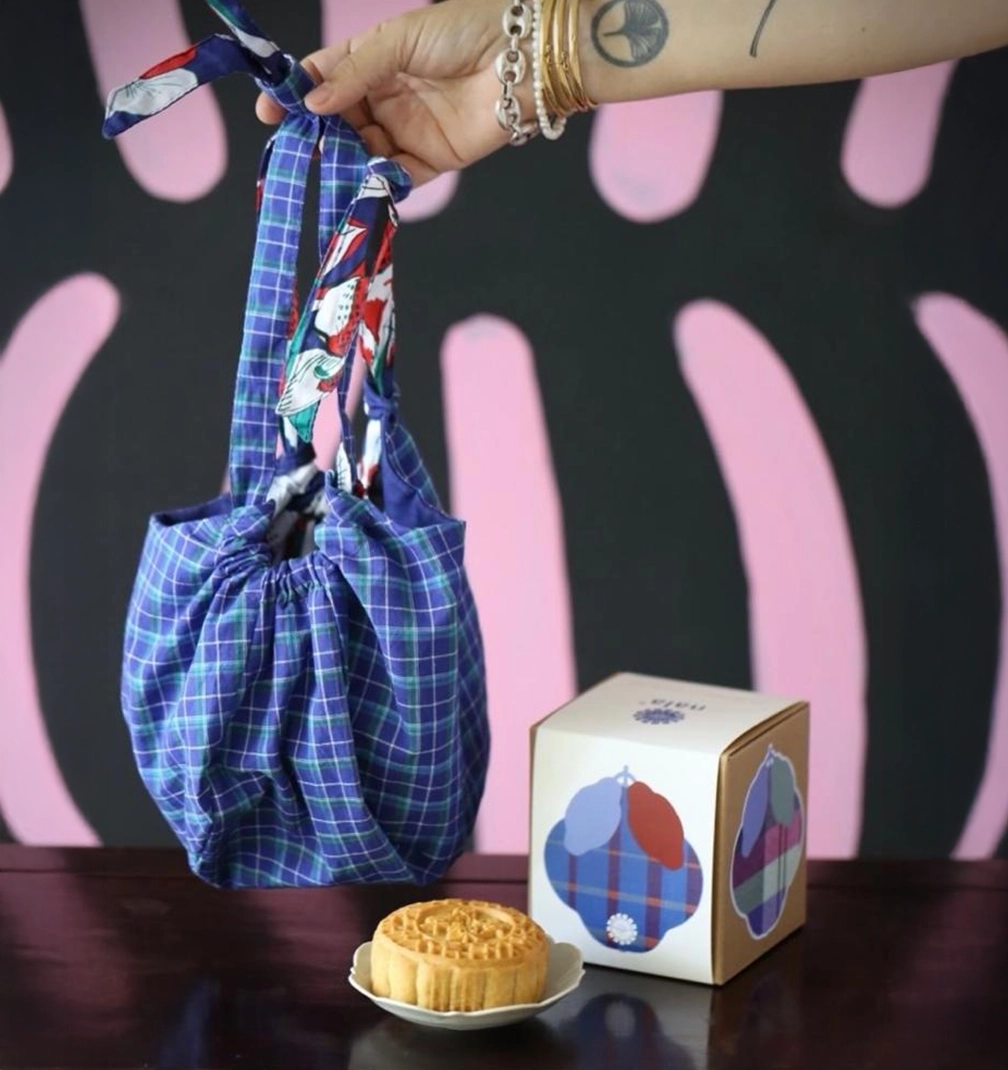
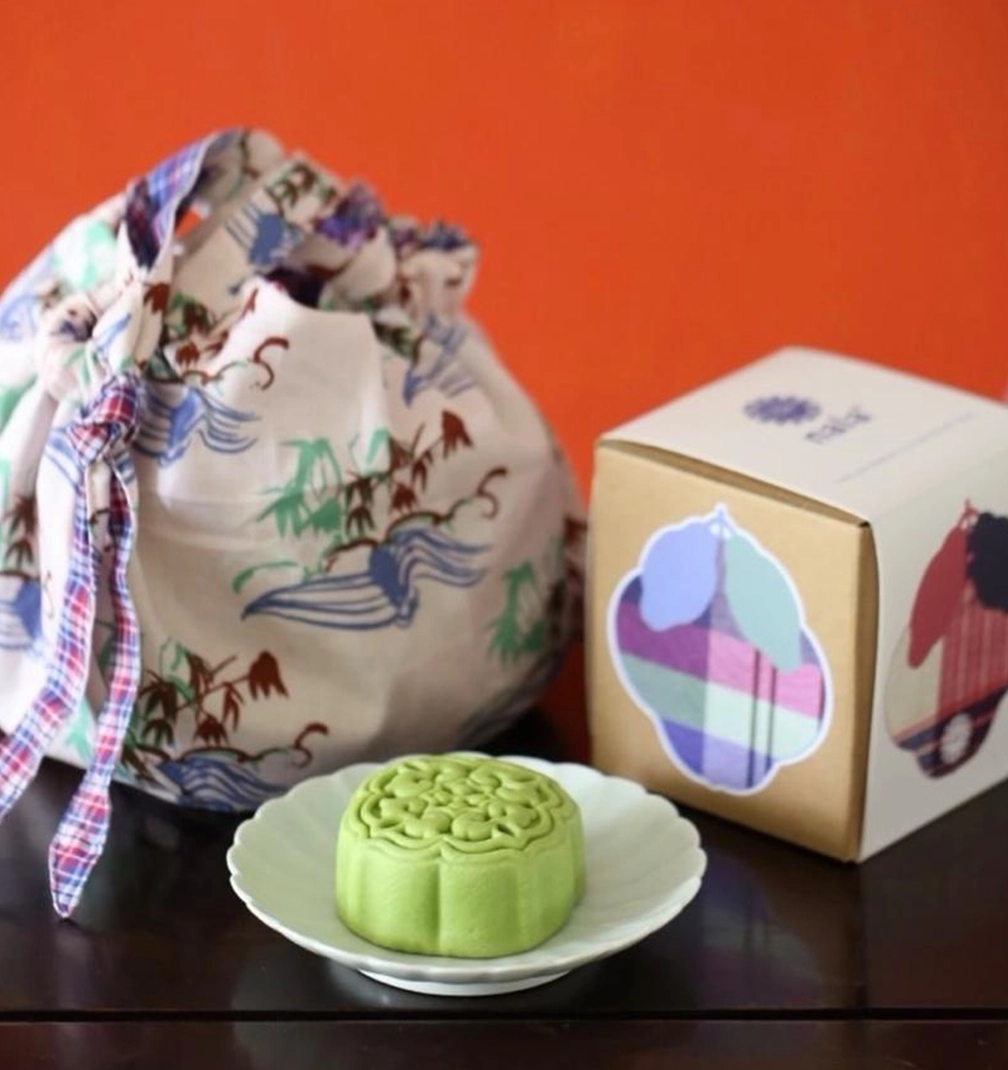
For our celebration this year, we brought another tradition into the story: pelikat. Its colourful checks are so familiar in Malaysia, a humble everyday textile that has been worn and loved for generations. We wrapped our mooncake boxes in pelikat, made our mystery bags in pelikat, and even created a pelikat lantern.

The skirt that thinks it is a painting.

I love the meeting of these two traditions. The mooncake and lantern belong to an ancient Chinese festival, while pelikat carries its own history across Malaysia and Southeast Asia. Put them together and it becomes something very Nala: different cultures, colour and stories coming together in one celebration.

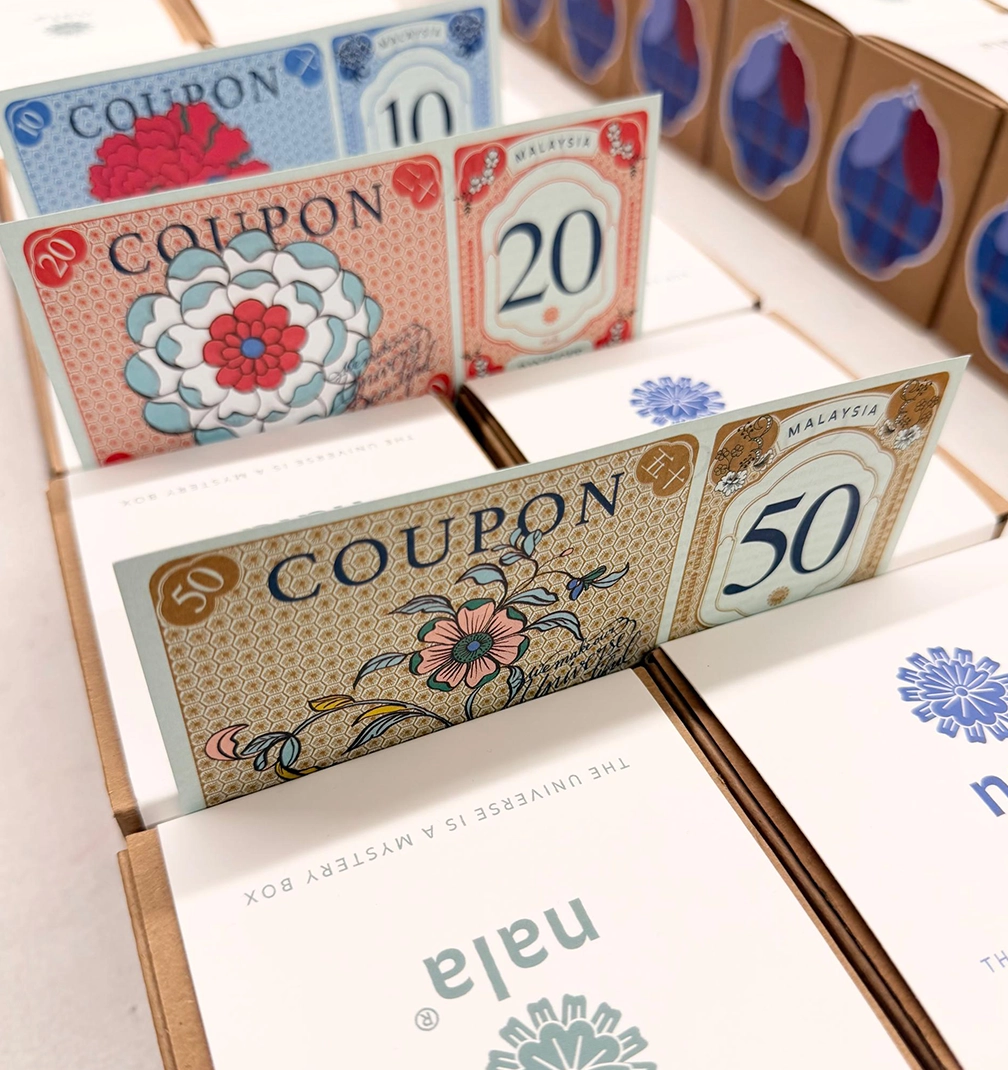
And, of course, there is a little mystery inside. Every box comes with a mystery mooncake and a mystery pelikat bag, with a few lucky boxes hiding vouchers too.

This Saturday, follow the lanterns. 🏮

The skirt that thinks it is a painting.