
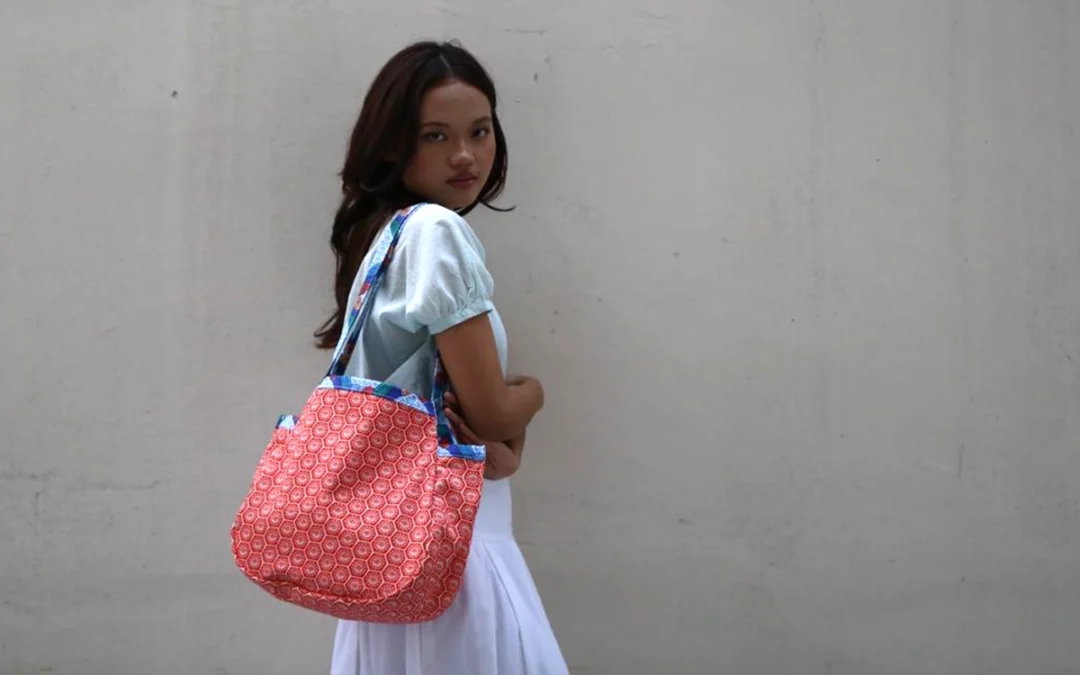
Nala Design New Collections Brutal TImes May 2026

SUBSCRIBE TO OUR NEWSLETTER

SHOP NOW

NALA HAPPY TIMES

DESIGN

CULTURE

TASTE

TRAVEL

FOOD

THURSDAY SHOWS

UNAGI CLUB

NALA'S SHOP

DESIGN

CULTURE

TASTE

TRAVEL

FOOD

THURSDAY SHOWS

UNAGI CLUB

ARCHIVES

CONTRIBUTORS

DISCOVER

Nala's Instagram

Nala's Facebook

Nala's LinkedIn

Lisetts's LinkedIn

Nala's Tiktok

Nala's Youtube

OUR BRAND

About us

Nala's locations

FAQs

Customer service

Careers

Manifesto

HIGHLIGHT

Latest issue on 7 Sept 2025. Update every Saturday.

Thursday Show
EVERYTHING HAS THE RIGHT TO BE DESIGNED

EVERYTHING HAS THE RIGHT TO BE DESIGNED

5 min read

EVERYTHING HAS THE RIGHT TO BE DESIGNED

No matter how small, no matter how hidden.

LISETTE

SHARE

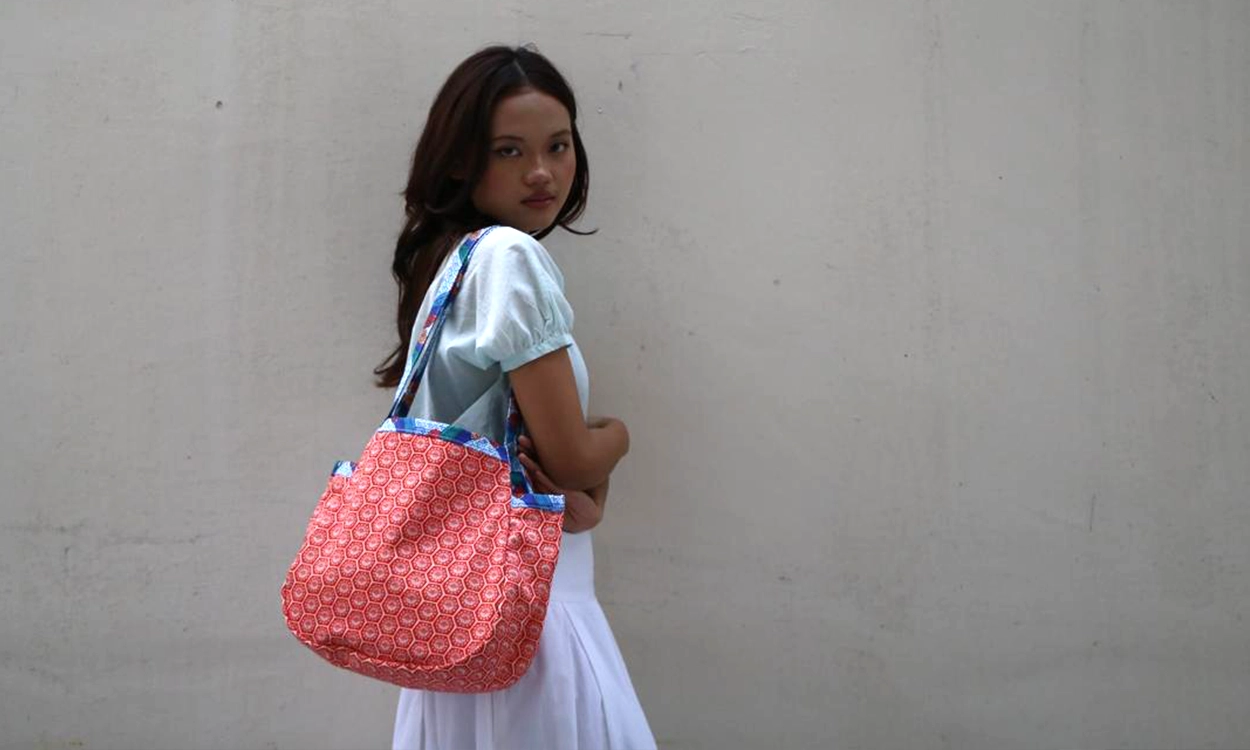
One of the things I was taught as a graphic designer is that everything has the right to be designed, no matter how small or insignificant it might seem. It’s something I’ve carried with me throughout my career, and it’s very much part of how we think at nala. The inside of an envelope deserves as much attention as the outside, the lining of a bag should be just as beautiful as its exterior, and even the inside cover of a book is an opportunity to do something wonderful.

The other day, we were testing a potential production manager, and she asked me why we would bother putting a pattern on the inside of a bag when it would only increase the cost. I understood her point, of course, but my answer was simple. Why shouldn’t the inside be beautiful? After all, you’re the one who sees it every time you open your bag, and I think those little moments of unexpected pleasure are worth something.

Years ago, one of our signatures was using patterned linings inside our dresses. It was something I absolutely loved, and it’s a detail I’d very much like to bring back. For now, we’re concentrating on our bags, where the inside is never an afterthought. We’ve also become rather well known for making things reversible, which I suppose is the ultimate expression of this philosophy. Why have one beautiful side when you can have two?

I think we’ve become so used to looking at things from the outside that we sometimes forget what’s happening underneath. A beautiful lining might not be the first thing you notice, and it certainly isn’t the most economical decision, but that’s not really the point. Good design, to me, is about caring for the parts that people might not immediately see. It’s about the thought, the detail and the pleasure of discovering something unexpected.
The skirt that thinks it is a painting.

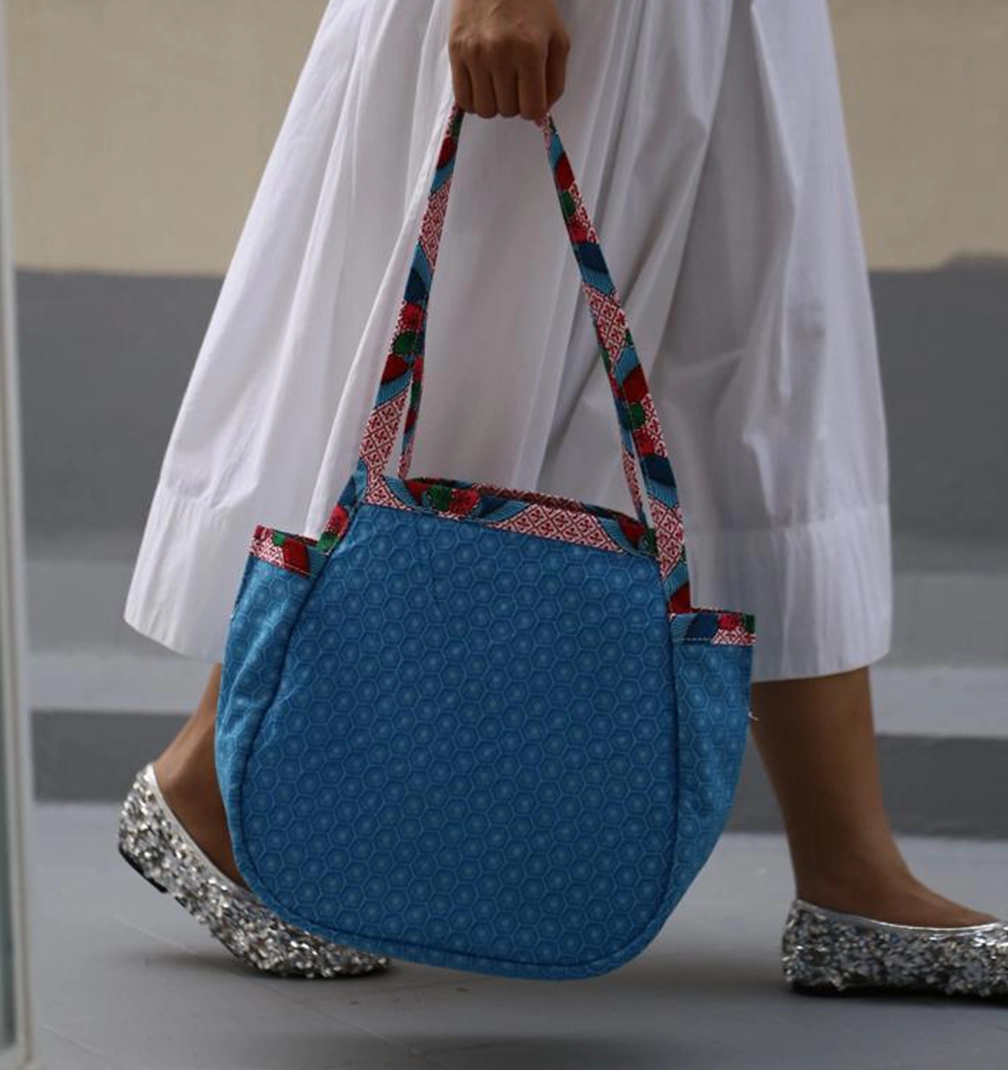
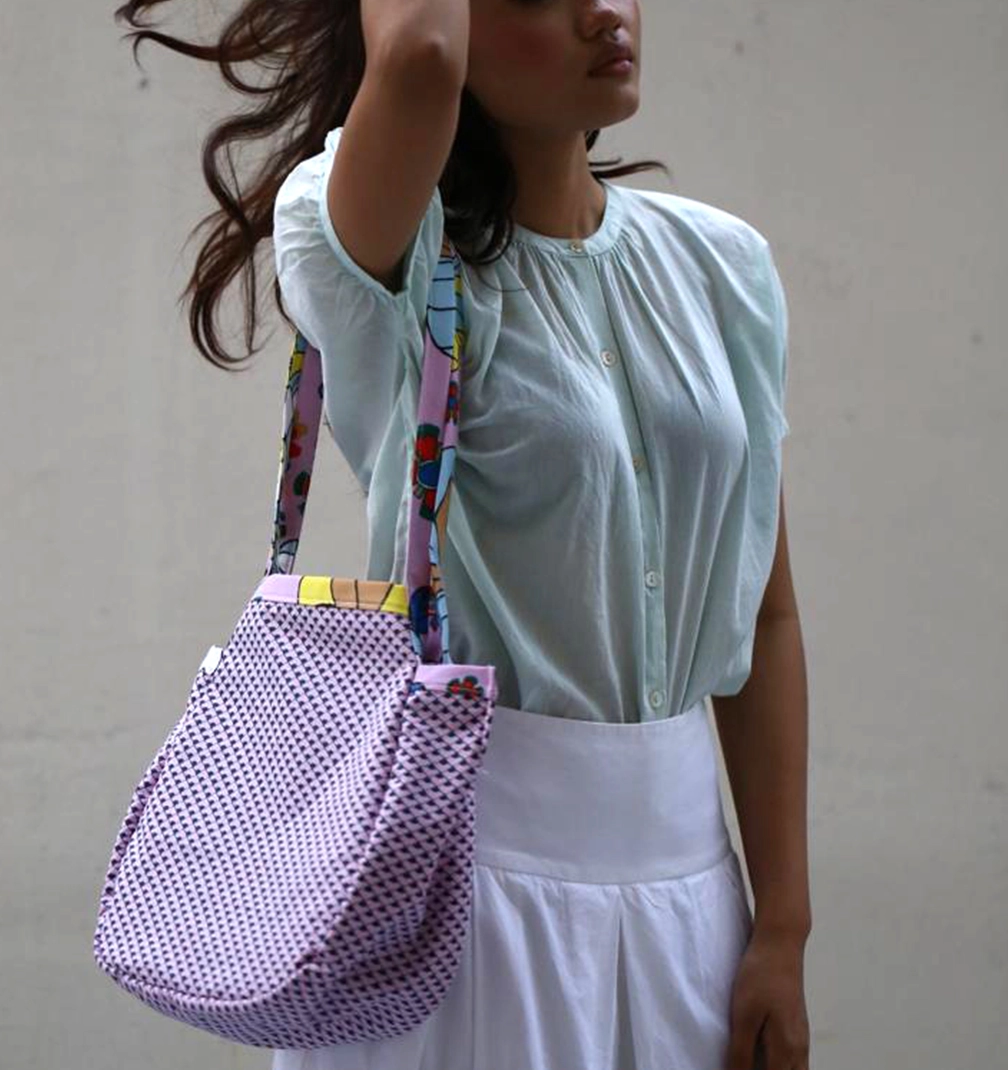
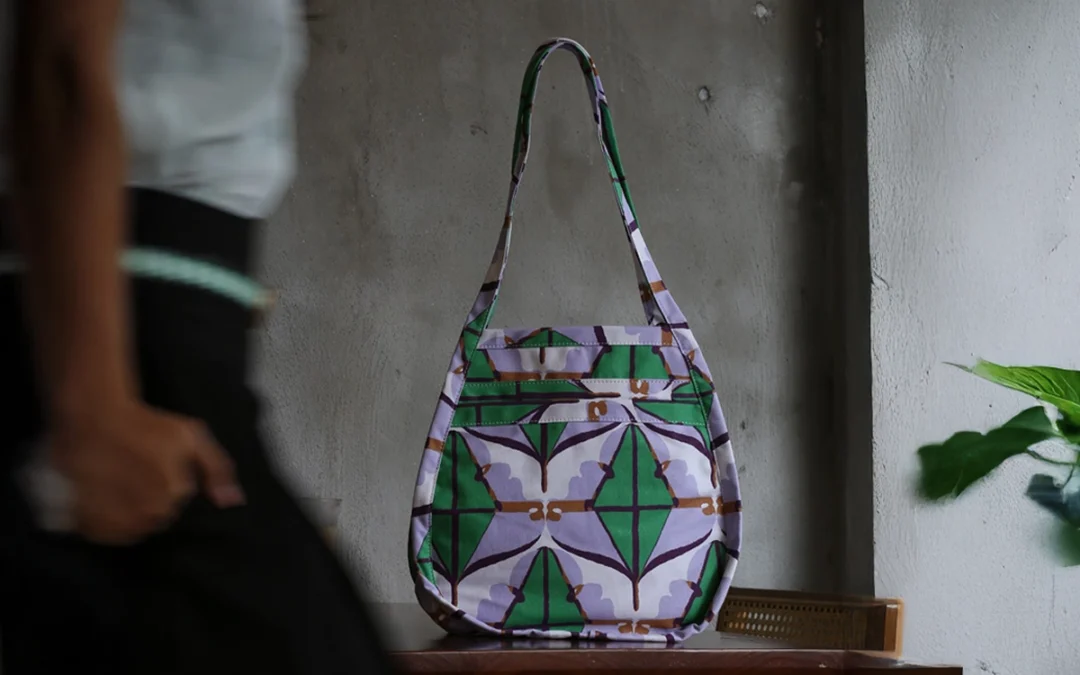
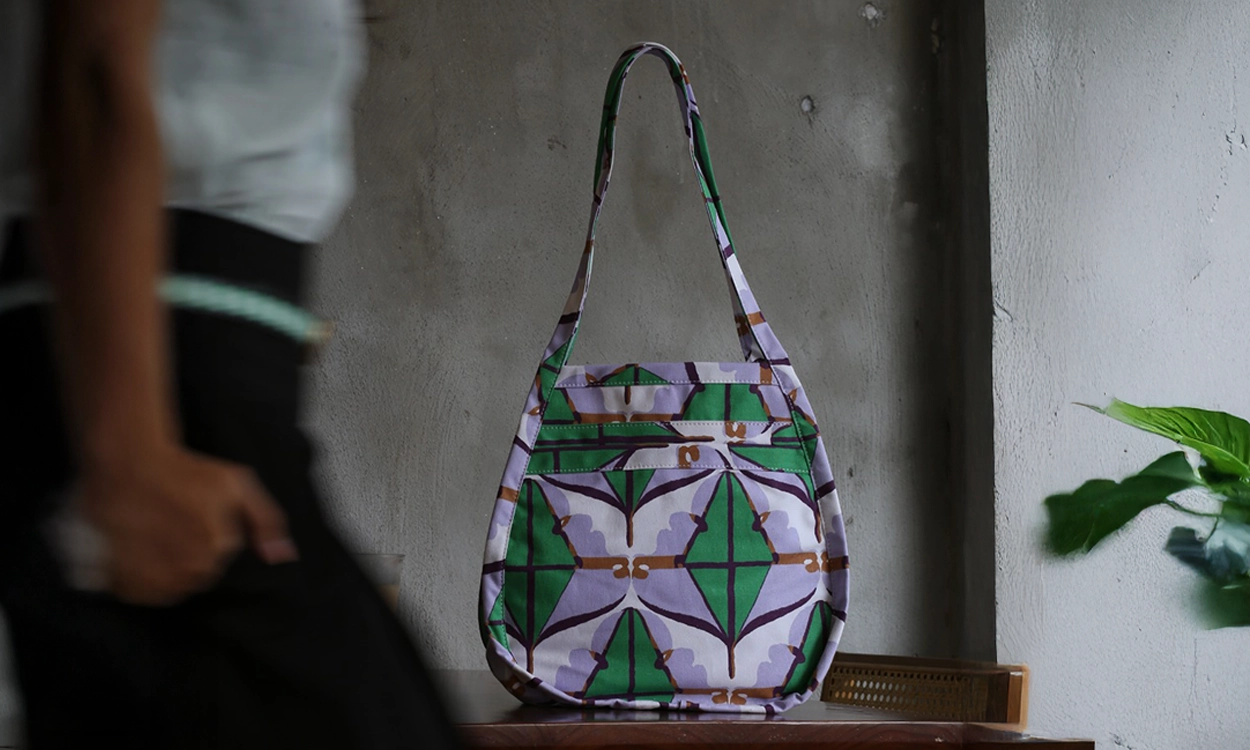
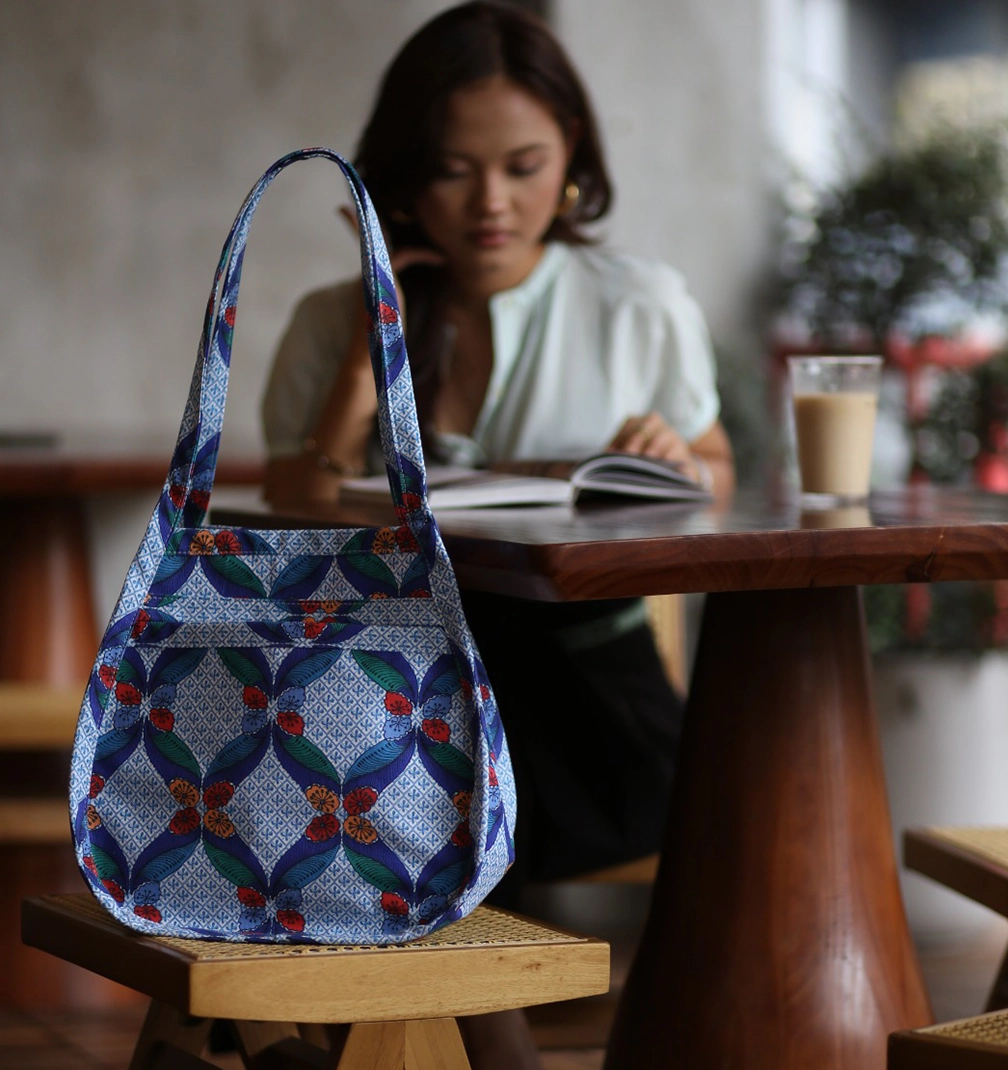
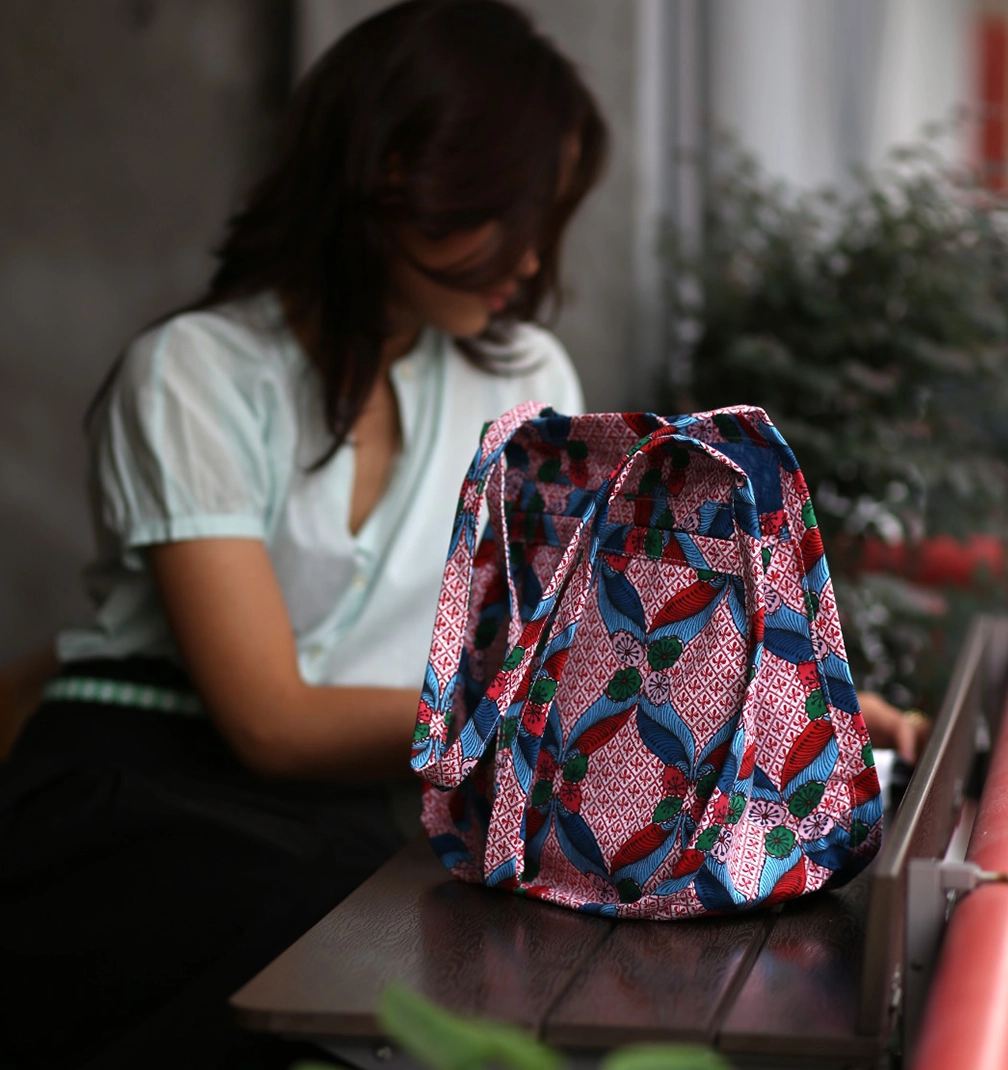
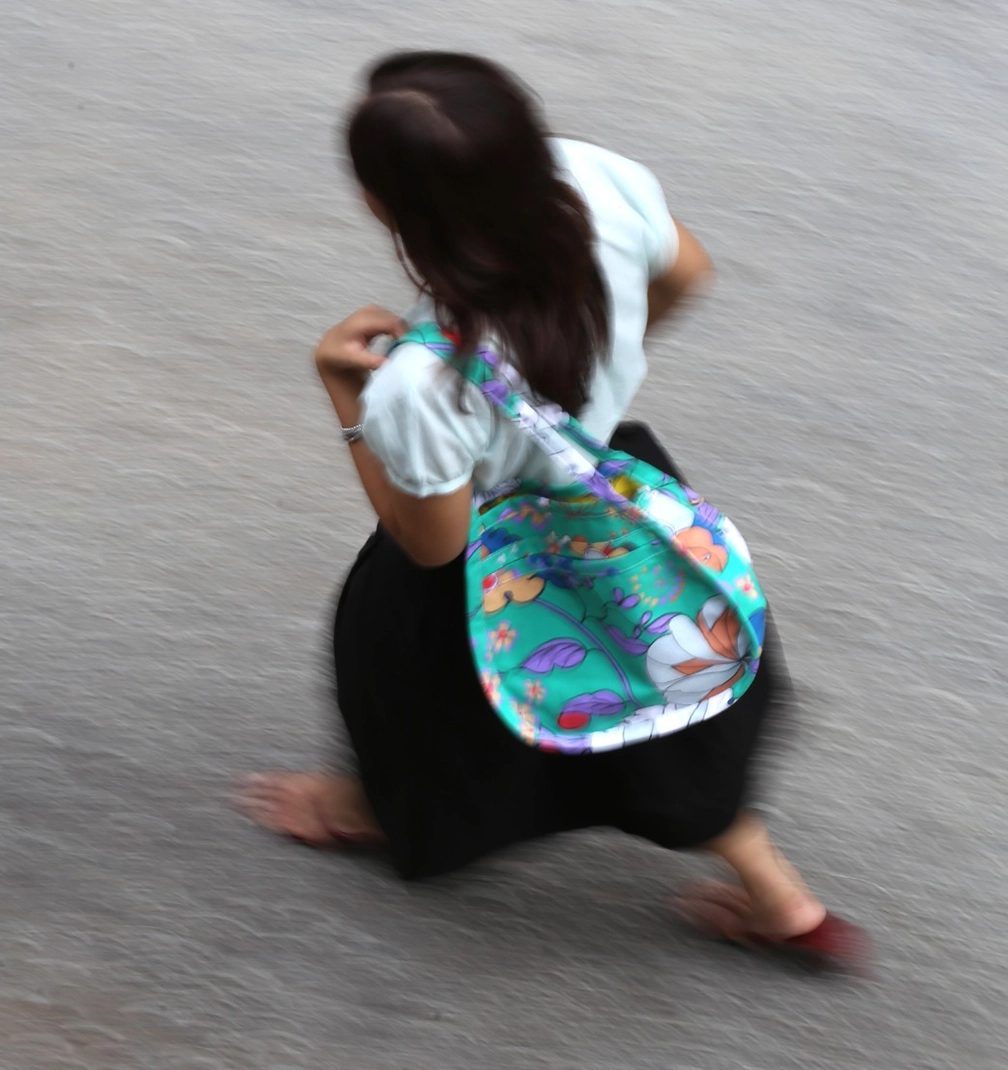
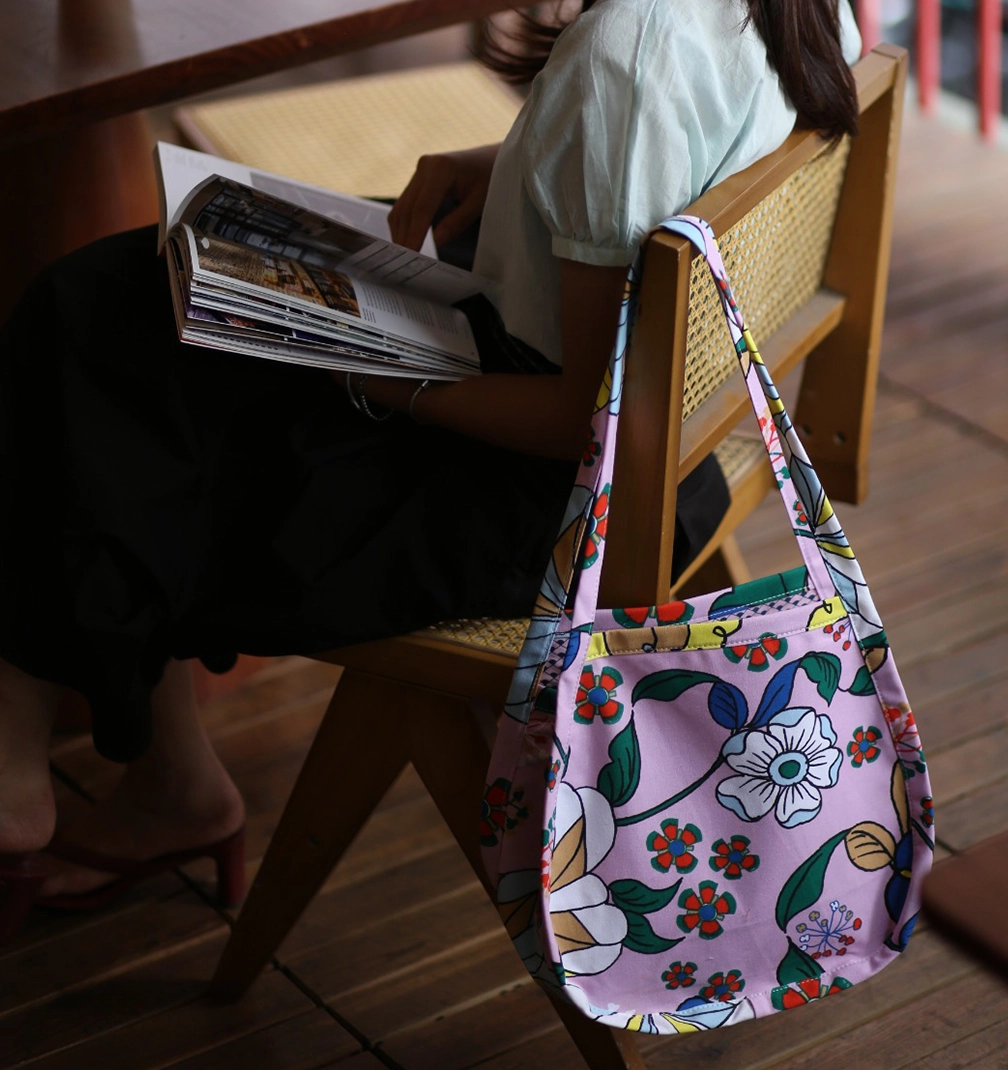
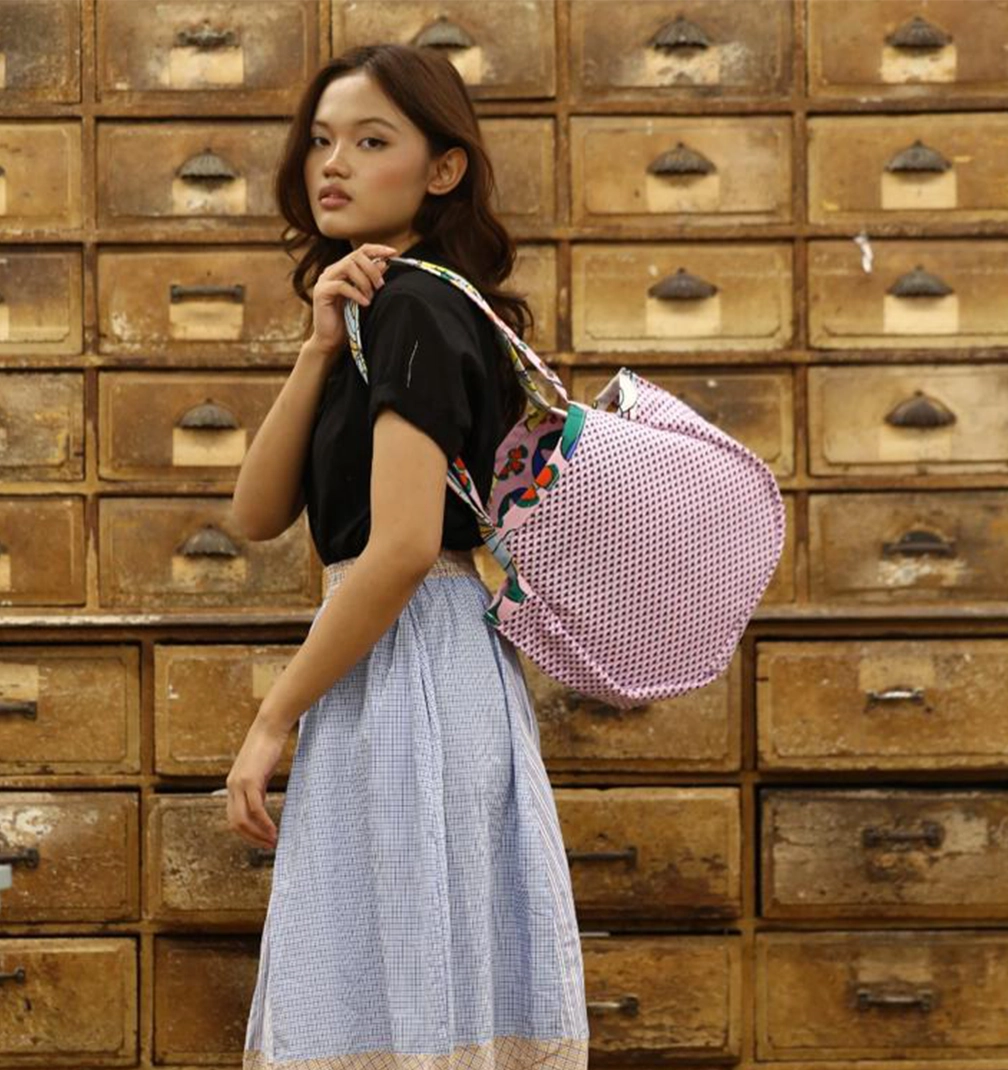
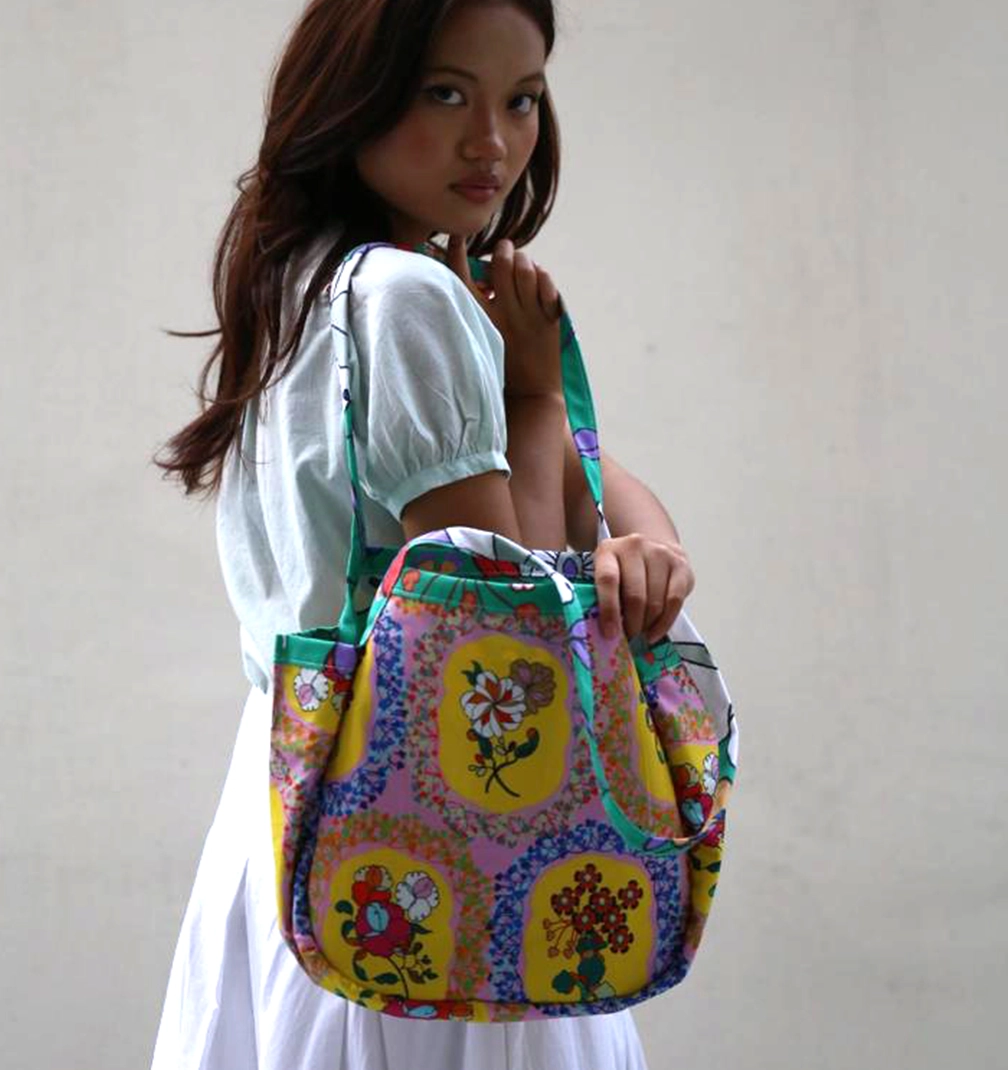
Which brings me back to our Gerald bags. We’ve already introduced them, but I realised we forgot to show you something rather important: the inside! Each one is lined with a beautiful nala print, and I would argue that some of the interiors are even more beautiful than the exteriors. It’s a little surprise waiting for you every time you open your bag.

So here they are again, our Gerald bags, this time turned inside out, because I think the inside deserves its moment in the spotlight too.

Just because something is hidden doesn’t mean it shouldn’t be beautiful.
The skirt that thinks it is a painting.
Who wants a one-second stand?

Who wants a one-second stand?

5 min read

Who wants a one-second stand?

Instagram is wonderful, but let’s face it, most of what we see disappears in a second.
We scroll, we like, we save, and then we forget.

LISETTE

SHARE

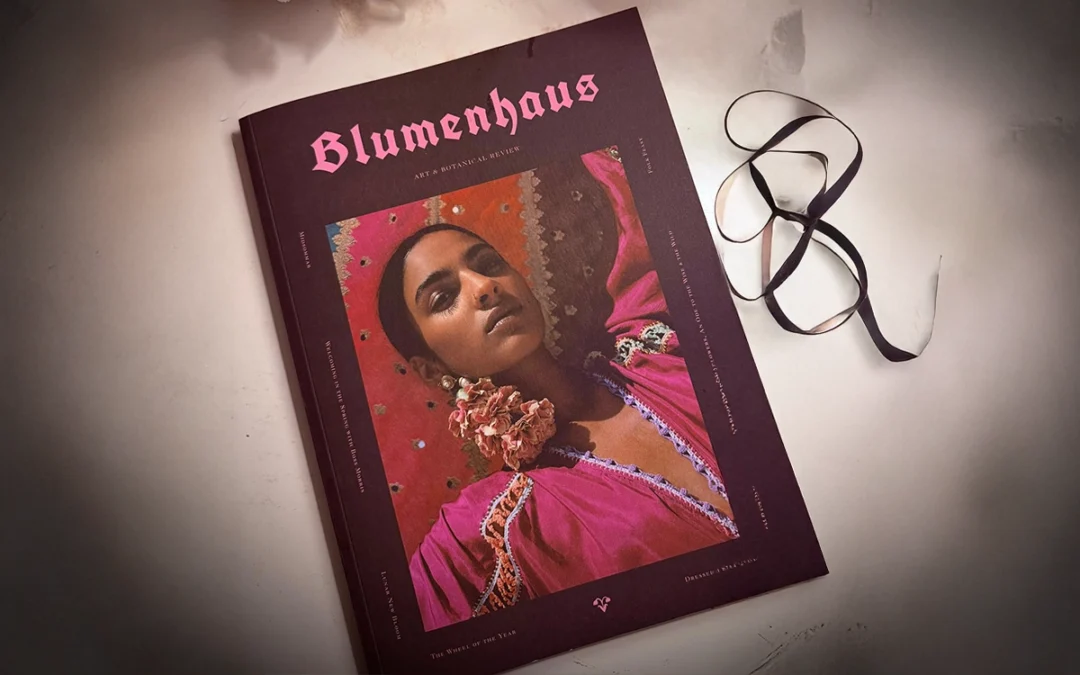
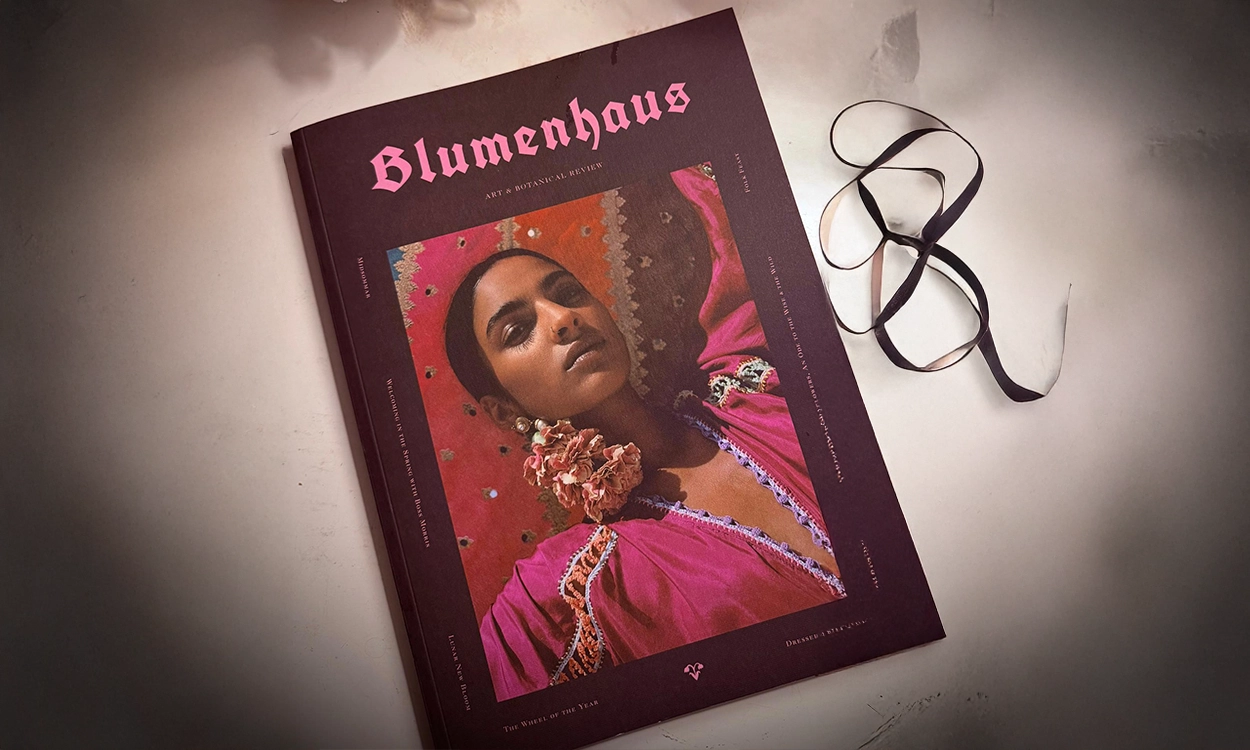
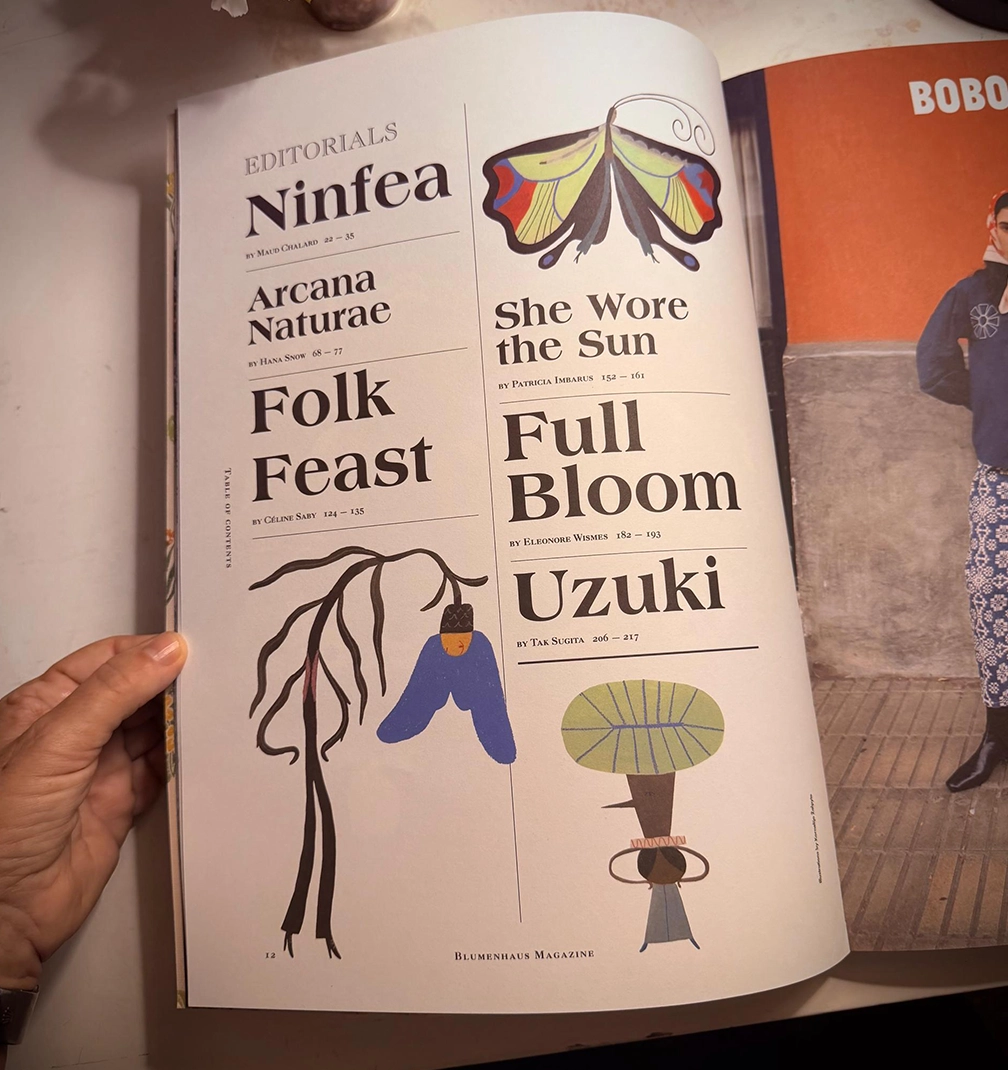
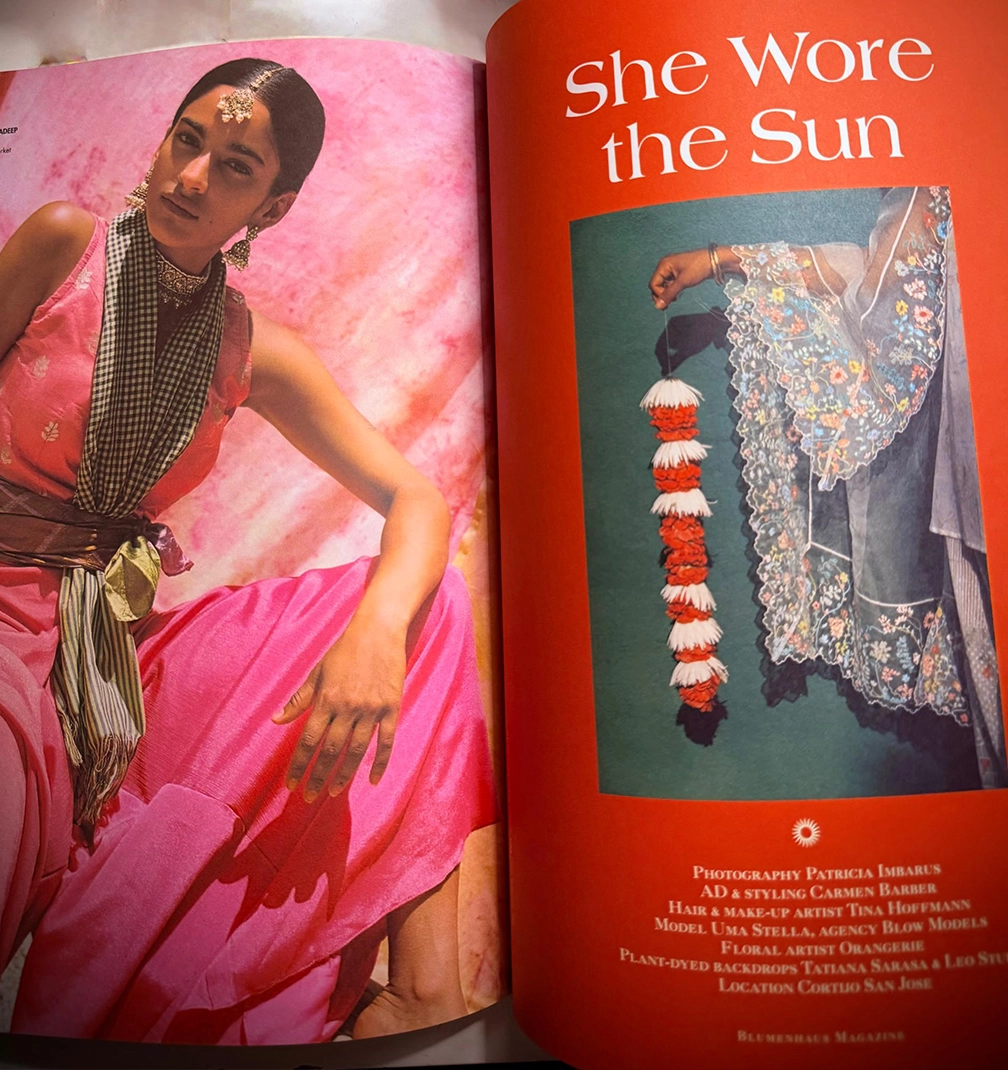
I recently bought the most beautiful magazine called Blumenhaus, an independent publication dedicated to art, flowers and the botanical world. It’s one of those magazines where every page is more beautiful than the last. The photography, the colours, the compositions. It’s an absolute feast for the eyes.

I discovered it at a very cute little pop-up shop at Else hotel in KL. Sadly, they’re no longer there, but I do hope they’ll return. They had the most incredible collection of independent magazines, and the saleswoman was probably one of the best I’ve ever met. She recognised me the moment I walked in, showed me this magazine, and naturally, I had to buy it. Now that’s what I call knowing your customer.

There’s something about holding a beautiful magazine that no screen can replace. The weight of the paper, the pleasure of turning a page, the freedom to stop at an image for as long as you like. You can put it down, pick it up three weeks later and discover something entirely different.

The skirt that thinks it is a painting.

Personally, I save endless posts on Instagram that I never look at again. The same goes for all those inspirational quotes and ideas I copy into my phone. I have lists upon lists of things that are supposed to inspire me, but I rarely revisit any of them.

A beautiful book or magazine is different. It sits on your table, catches your eye, and somehow keeps working on your imagination even when you’re not consciously looking for inspiration. You might see a flower today, remember its colour next month, and suddenly find yourself designing something completely unrelated. That’s the wonderful thing about creativity. One image leads to another thought, which leads to another idea.

I think we underestimate the importance of surrounding ourselves with beautiful things that don’t disappear when we swipe our fingers.

After all, who wants a one-second stand when you can have something that stays with you?

The skirt that thinks it is a painting.
Calling for a comeback

Calling for a comeback

5 min read

Calling for a comeback

Translating my personal paintings into wearable art for the first time marks a proud creative milestone, successfully blending the soul of the original canvas with the precision of a silkscreened skirt.

LISETTE

SHARE

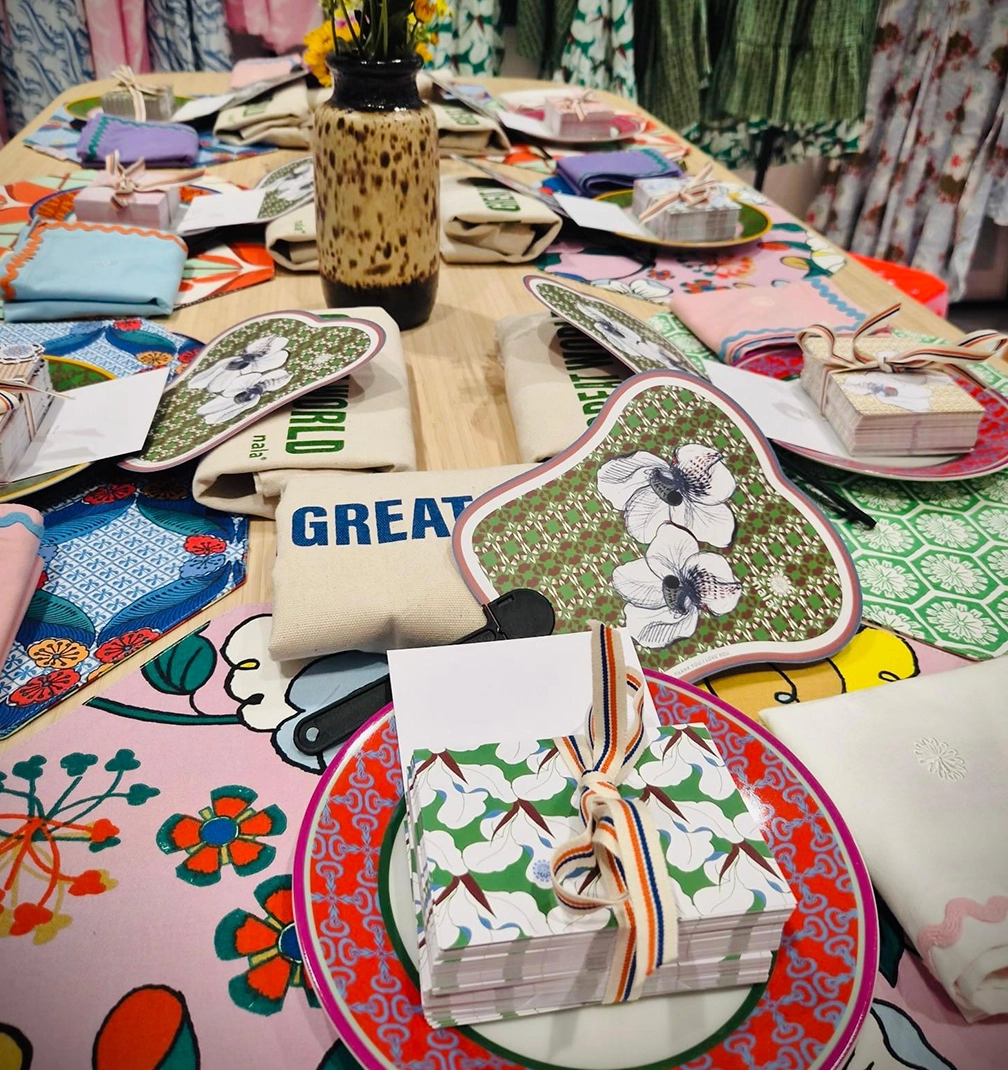
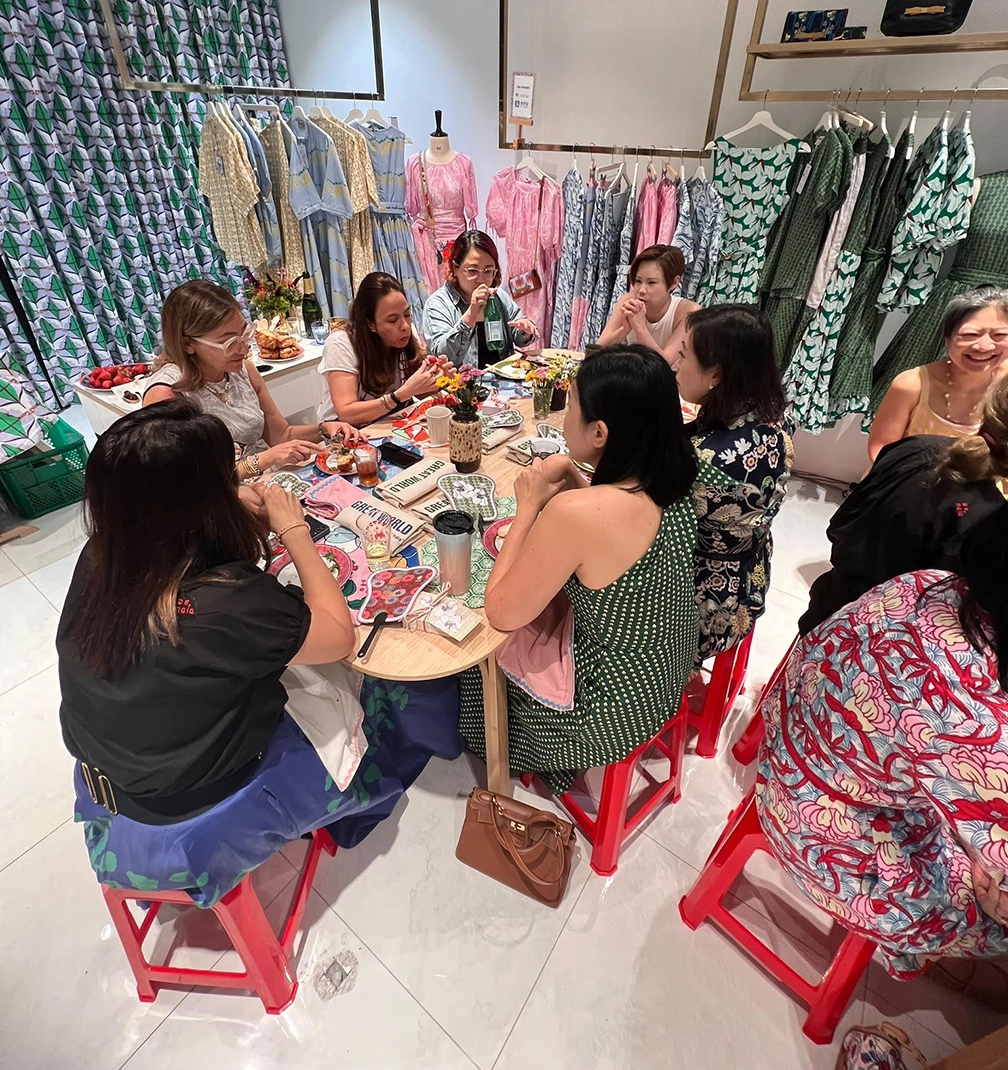
Last Sunday, I invited fifteen of our longest-standing nala clients in Singapore for high tea at nala Great World.

Some of them have been with us since 2017. We had scones from my favourite little bakery, strawberries and clotted cream, champagne, tea and kuih We talked about nala, what they love, what they would like more of, what they miss and what we could do better. Everyone was wonderfully honest.

I also introduced our new ALOHA collection, we had a Q&A, we laughed a lot, and somewhere along the way it stopped feeling like an event and started feeling more like a family gathering.

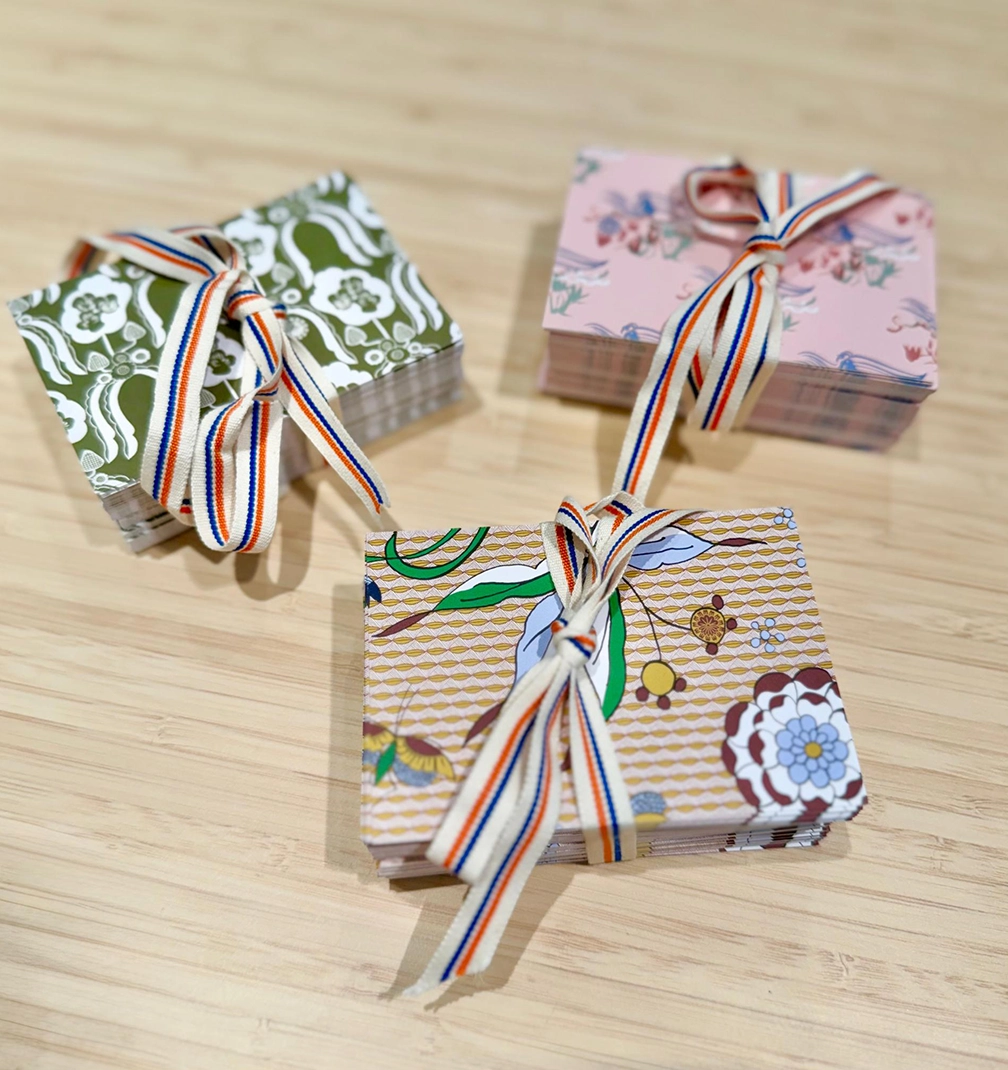
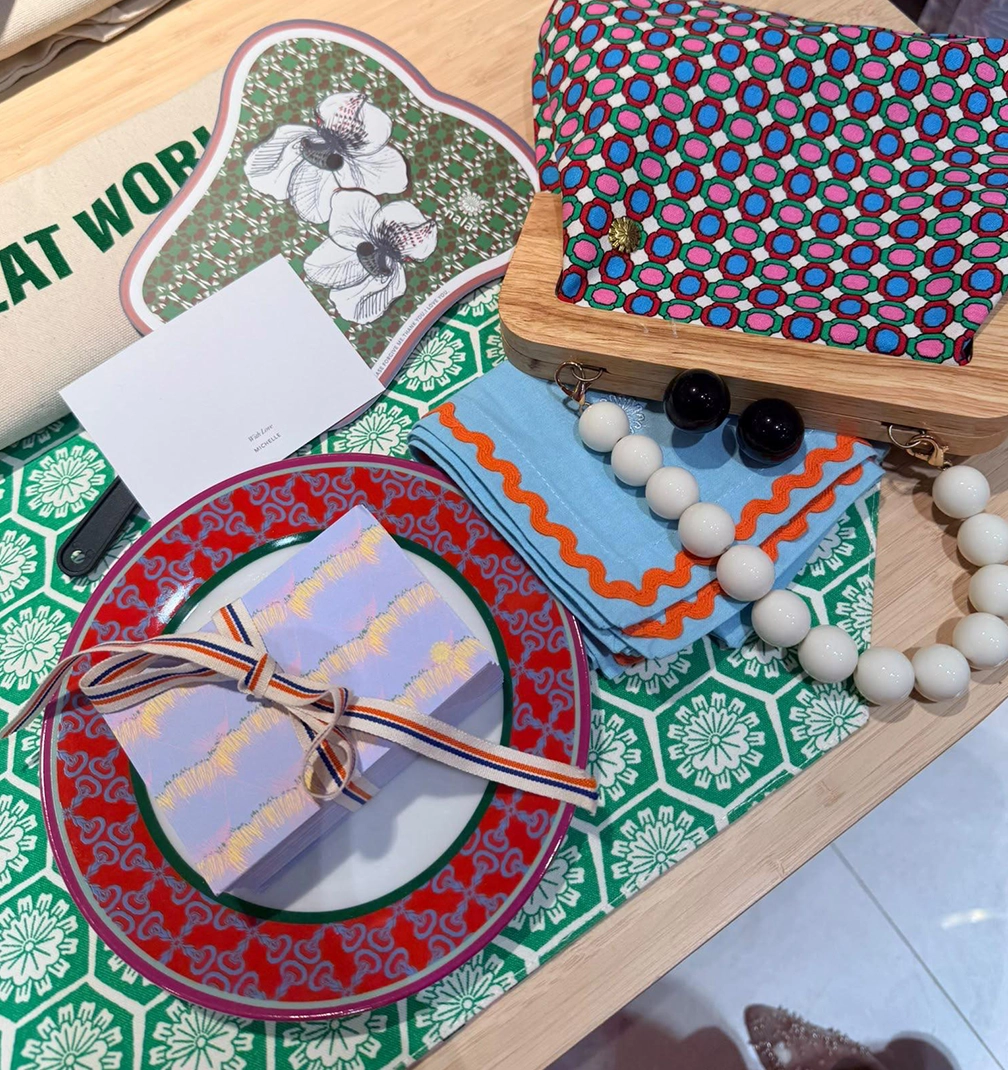
At the end of the afternoon, everyone received a little set of compliments cards. And that’s when something funny happened.

Everyone of a certain age knew exactly what they were. My younger team members had absolutely no idea.

“What’s a compliments card?”

The skirt that thinks it is a painting.

It had never occurred to me that something so familiar to me could almost disappear in one generation.

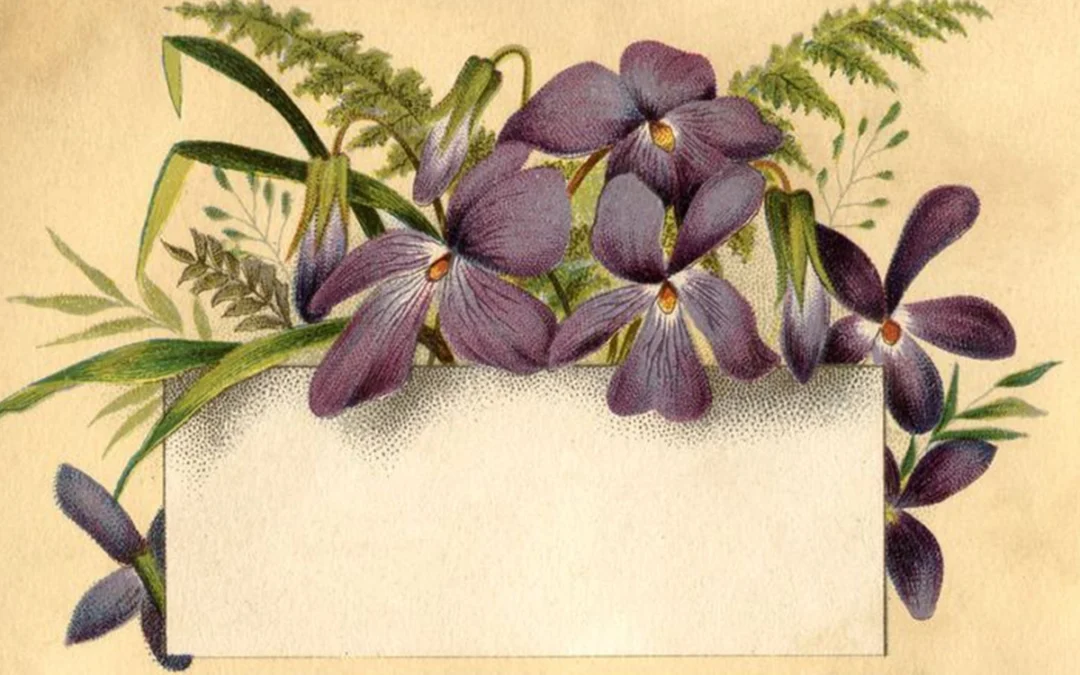
The calling card has been around for centuries. You would leave one at someone’s home to say you had called, sometimes whether they were home or not. There were rules and rituals around them, particularly in the 18th and 19th centuries, when leaving your card was simply part of social etiquette.

Compliments cards and correspondence cards came from a similar world. Small, beautifully printed cards, often bearing your name or initials, with just enough room for a few handwritten words.

You might send one with flowers after being invited for dinner. You might tuck one into a gift. Or simply write a few words to thank someone for something kind they had done.
No essay. No long letter.
KJust a proper thank you. Perhaps it is old-fashioned. But I rather like old-fashioned things when they are good things.

Because today we can send a heart, a thumbs-up or a quick “thank youuuuu” in about three seconds. And we do.

But there is something completely different about choosing a card, picking up a pen, writing someone’s name and thinking about what you actually want to say.
It takes a little longer.
Which is precisely the point.

So when my younger team looked at these cards as though I had handed them some mysterious object from another century, I thought perhaps we shouldn’t let this one disappear.

I’m calling for a comeback.
Of the calling card, of the handwritten thank you, and of taking a few extra minutes to let someone know that they mattered.

The skirt that thinks it is a painting.
Two Lamps Are Enough

Two Lamps Are Enough

5 min read

Two Lamps Are Enough

One of the nicest things about moving into JAM is discovering who our neighbours are.
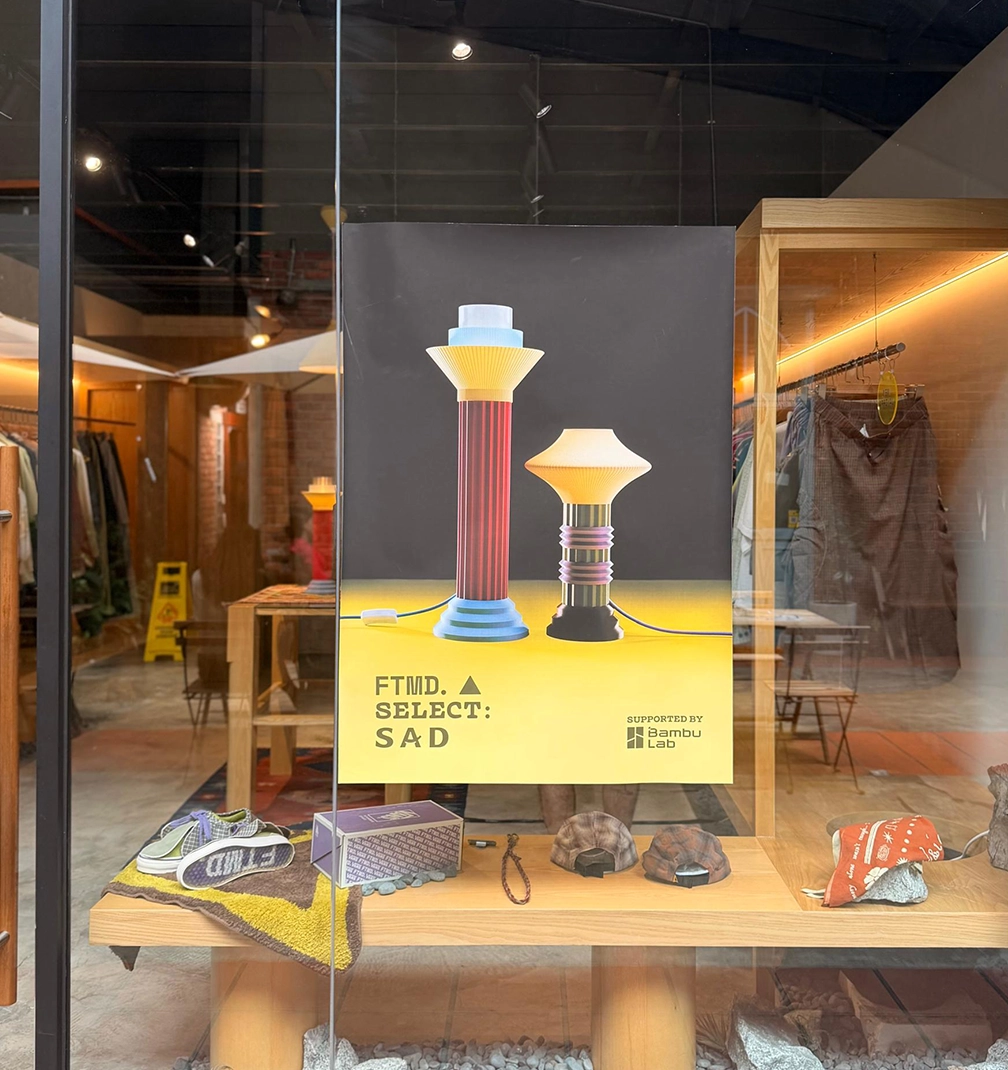
And then I walked into FTMD. I love this shop.

LISETTE

SHARE

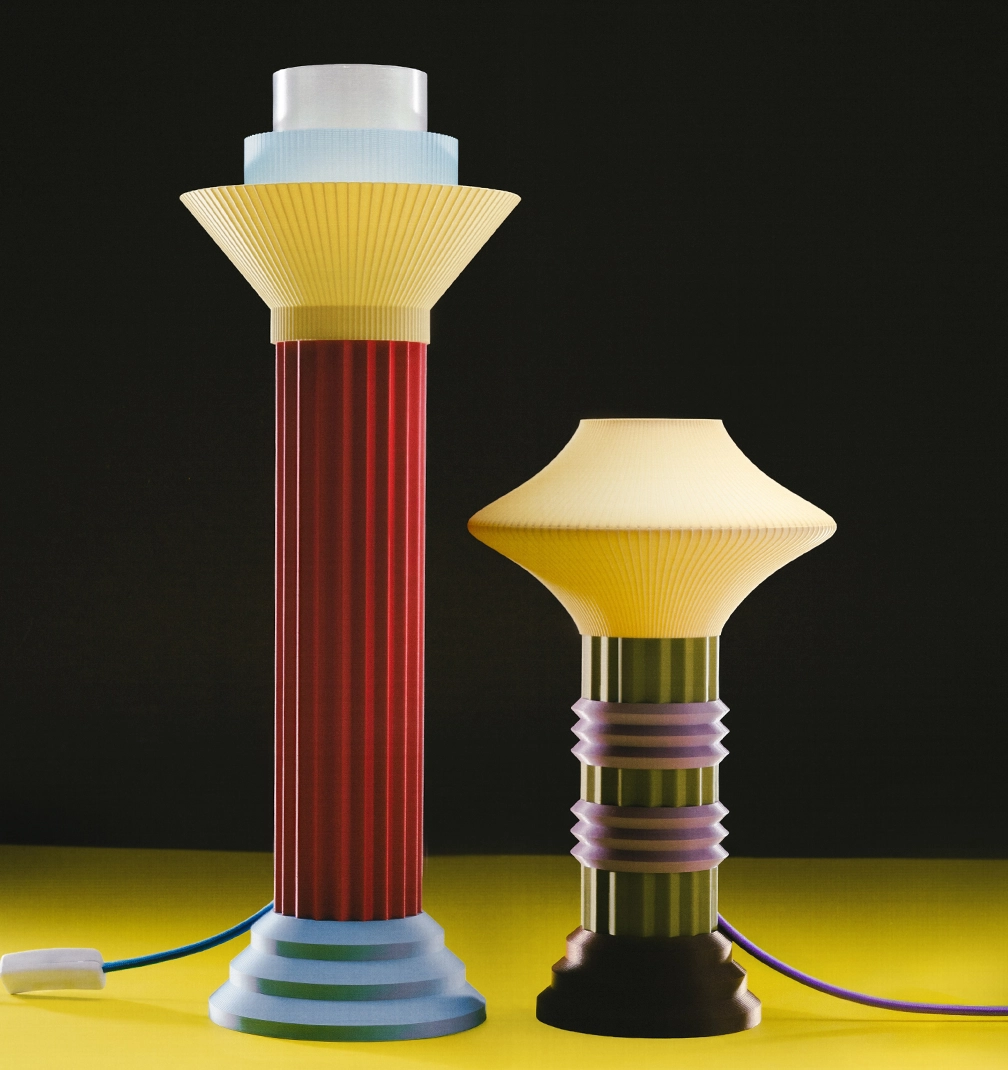
FTMD is a Malaysian label built around clothing, objects and experiences, but what I particularly love is the way they curate. There is no need to fill every square centimetre with things. They don’t need fifty lamps. They have two really good ones. They don’t need ten different cups when one great cup will do. A few pairs of shoes. A few skirts. A few objects. Everything feels considered.

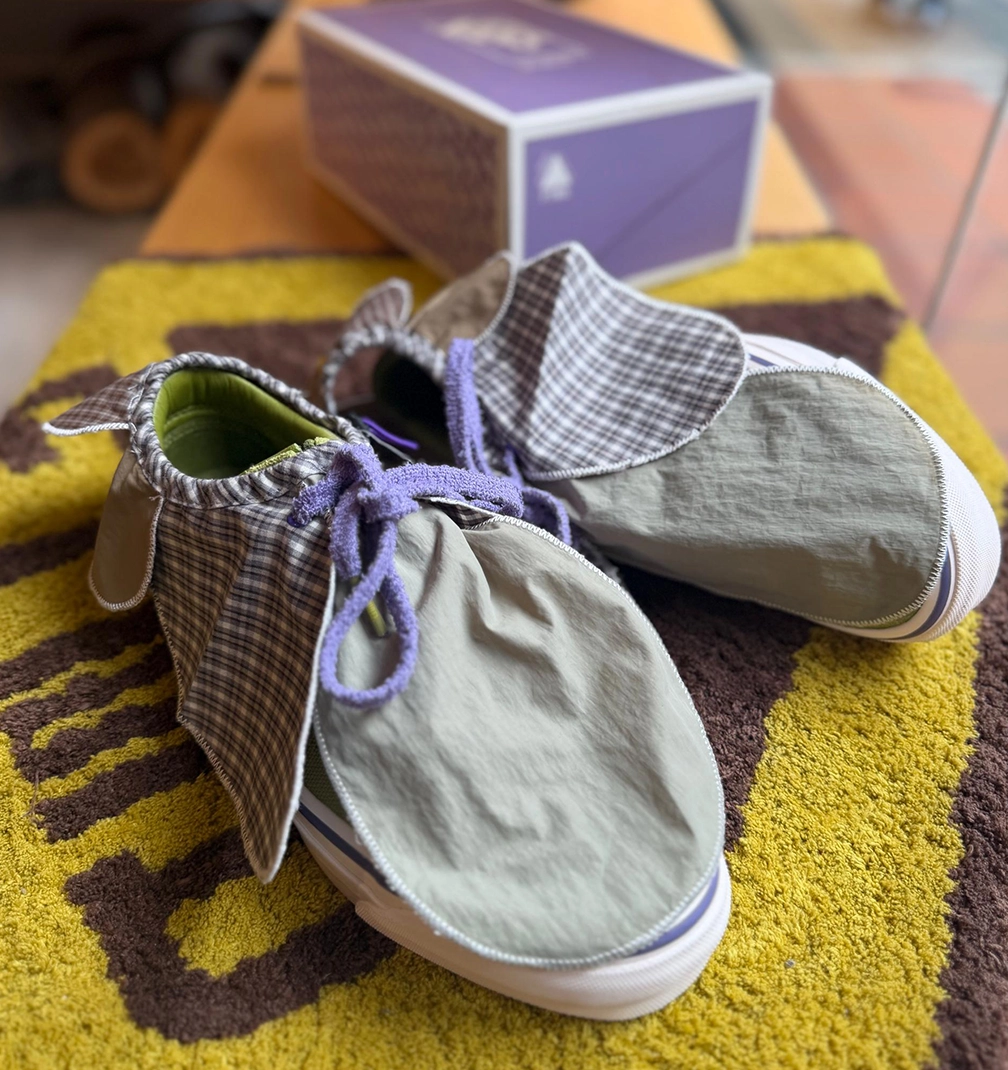
The clothes are great. The shoes are great. The whole place is minimal without feeling empty, and cool without trying terribly hard to be cool. For me, as we move nala further into streetwear, it is actually rather inspiring to have a store like this as our neighbour.

The skirt that thinks it is a painting.

But it was the lamps that got me. They are made by SAD Studio, a Malaysian design studio founded in 2024 by Sugee Wee and Driv Loo. They are a couple, and rather wonderfully, neither of them was professionally trained in 3D design. They taught themselves. Sugee looks after much of the creative direction while Driv handles production, and together they make these extraordinary little objects locally, layer by layer, using 3D printing.

The lamps come in fantastic colours. They are beautifully made, playful without being childish and incredibly reasonably priced.

I am in love with them.
Maybe that is also what I like so much about FTMD. It reminds me that good retail isn’t about having more.

It is about knowing what deserves to be there.

And sometimes, two lamps are enough.

The skirt that thinks it is a painting.
Who on Earth Is Gerald?

Who on Earth Is Gerald?

5 min read

Who on Earth Is Gerald?

Some designs begin with a sketch. Others begin with a person. The Gerald Bag is one of our oldest bags,
and its story goes all the way back to a contractor I worked with many years ago. His name was Gerald.

LISETTE

SHARE

One day, Gerald turned up carrying his grandmother’s old shopping bag. It was simple, practical and completely unpretentious, but I loved it immediately. Gerald clearly had incredible taste, because that little bag stayed in my mind and eventually became the inspiration for one of our own.
And that is how the Gerald Bag got its name.

I love naming our bags, and some of our dresses, after people who have crossed my path and left something behind. People I have loved working with, people who have inspired me, or simply people I want to remember. Gerald is one of them. We worked together during the lockdown years, and although I don’t know where life has taken him today, his name is still very much part of Nala.

The skirt that thinks it is a painting.

Now the Gerald is back. It is reversible, wonderfully uncomplicated and one of those bags you end up using far more than you expected. Throw it into your suitcase when you travel. Keep one in the car. Take it to the market, the beach, the supermarket or on a weekend away. Somehow, it fits just about everything.

I think of it as our old-fashioned answer to the Shupatto. Long before foldable shoppers became clever little objects of design, there was the humble grandmother’s shopping bag: useful, generous, reusable and made to be carried again and again. The Gerald comes from that same spirit.

A very practical bag, inspired by a very stylish contractor and his grandmother.

Launching in all stores on the 3rd of Oct.

The skirt that thinks it is a painting.
Discovering the Best on the Last Day

Discovering the Best on the Last Day

5 min read

Discovering the Best on the Last Day

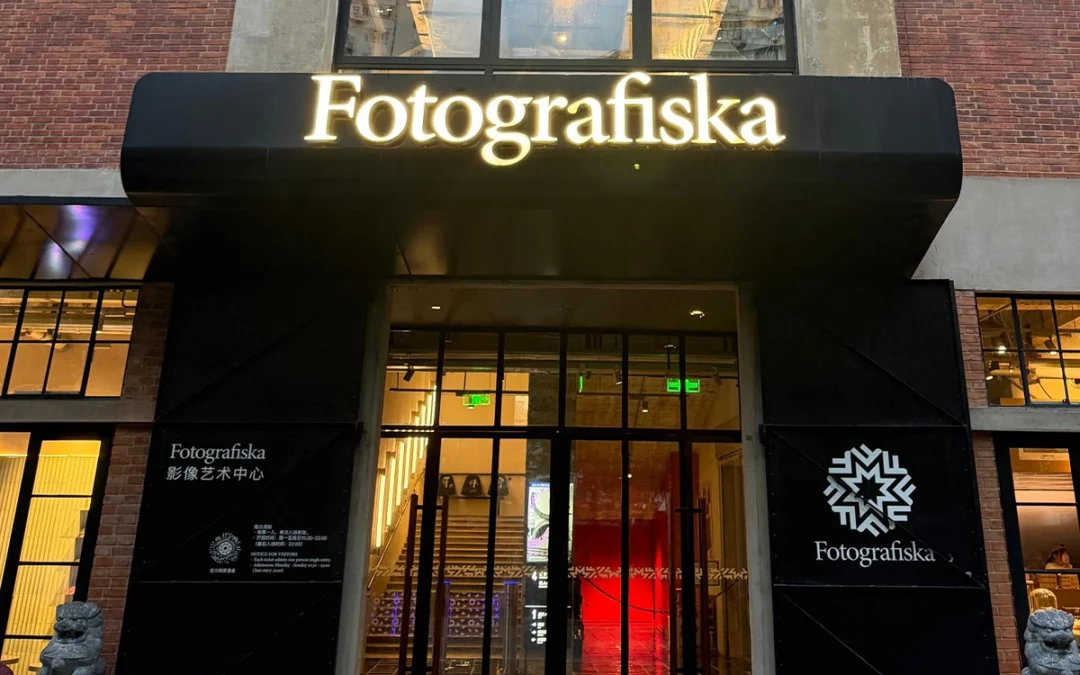
We went to Fotografiska Shanghai with every intention of seeing the exhibitions. We still haven’t made it upstairs.

LISETTE

SHARE

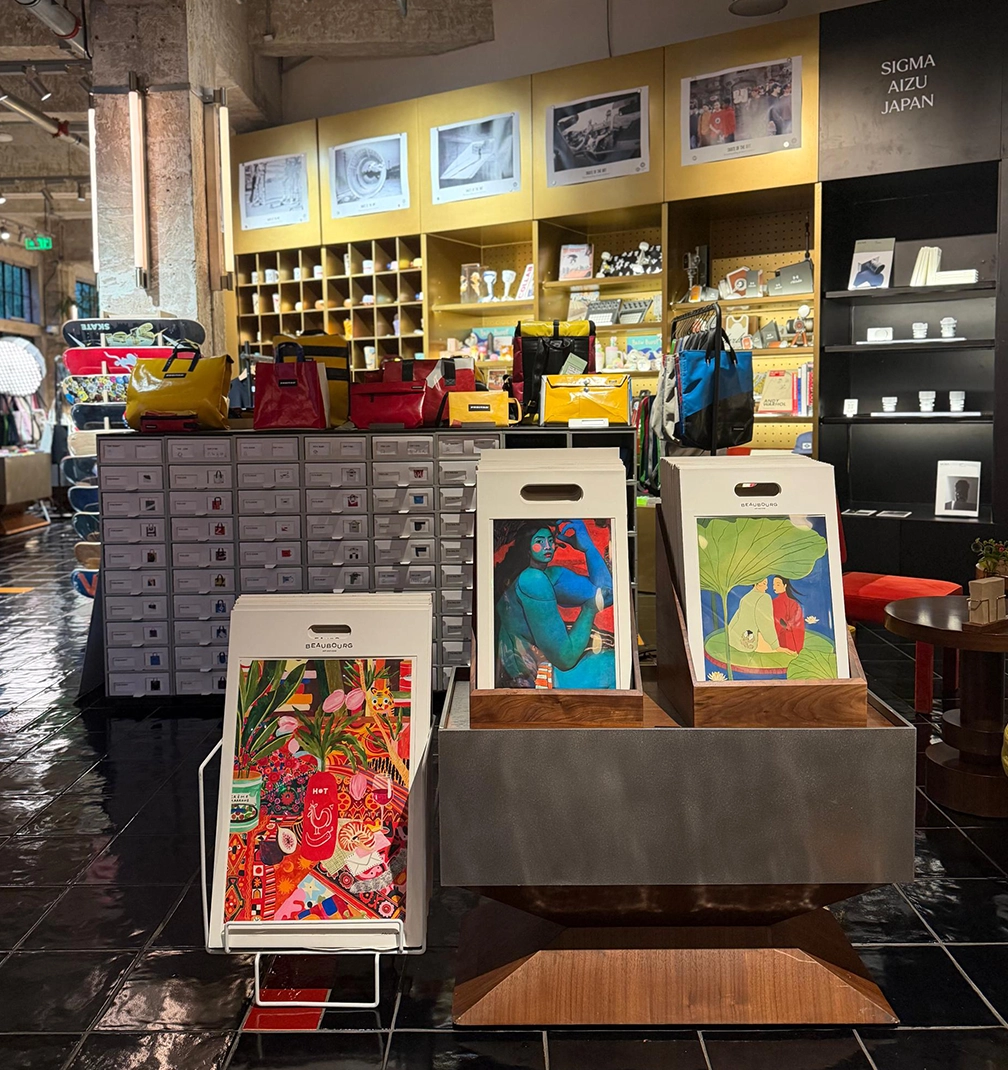
We got completely distracted by the museum shop.

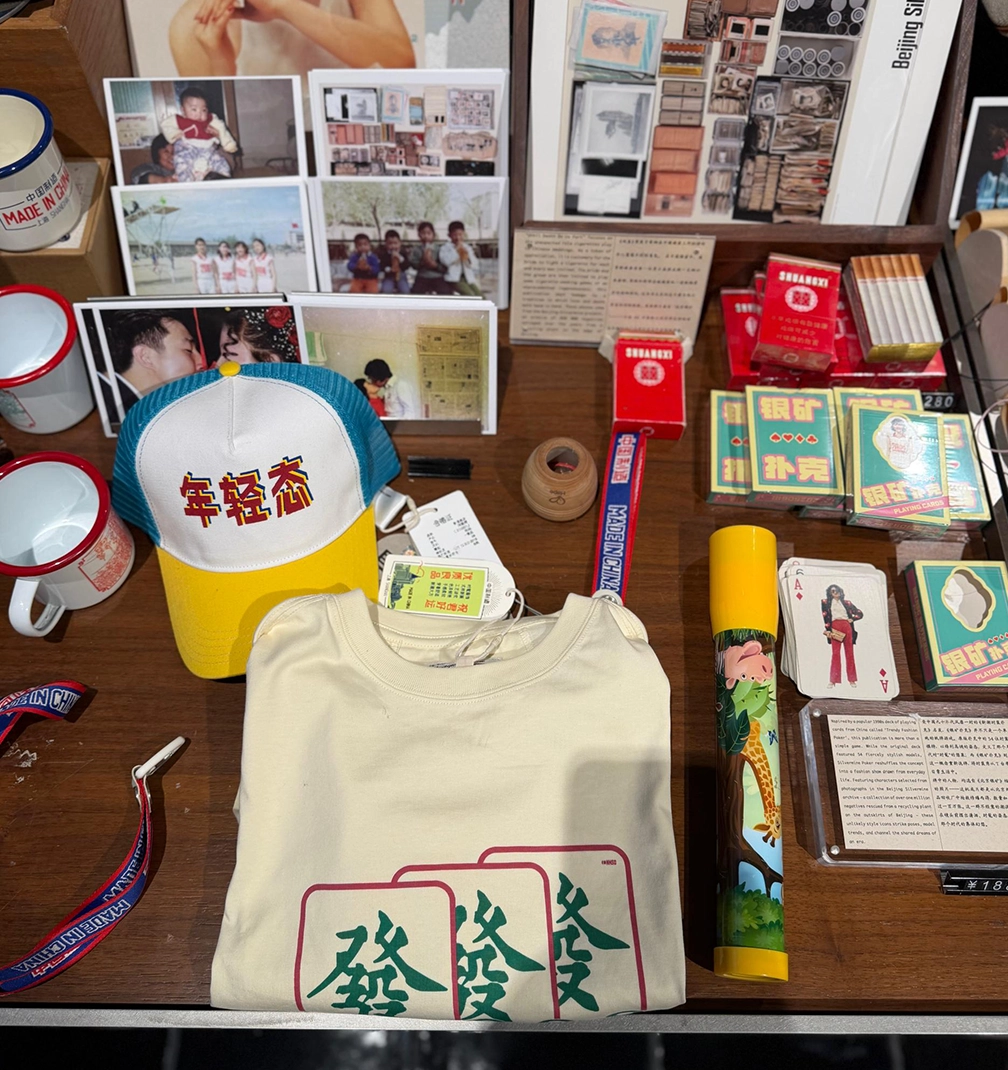
We’re always looking for beautiful presents to bring home from a trip, and this is one of the best places we’ve found in Shanghai. There are wonderful photography books, prints and reproductions of photographs that you would actually want to frame and put on your wall. Proper presents, rather than another souvenir that says Shanghai on it.

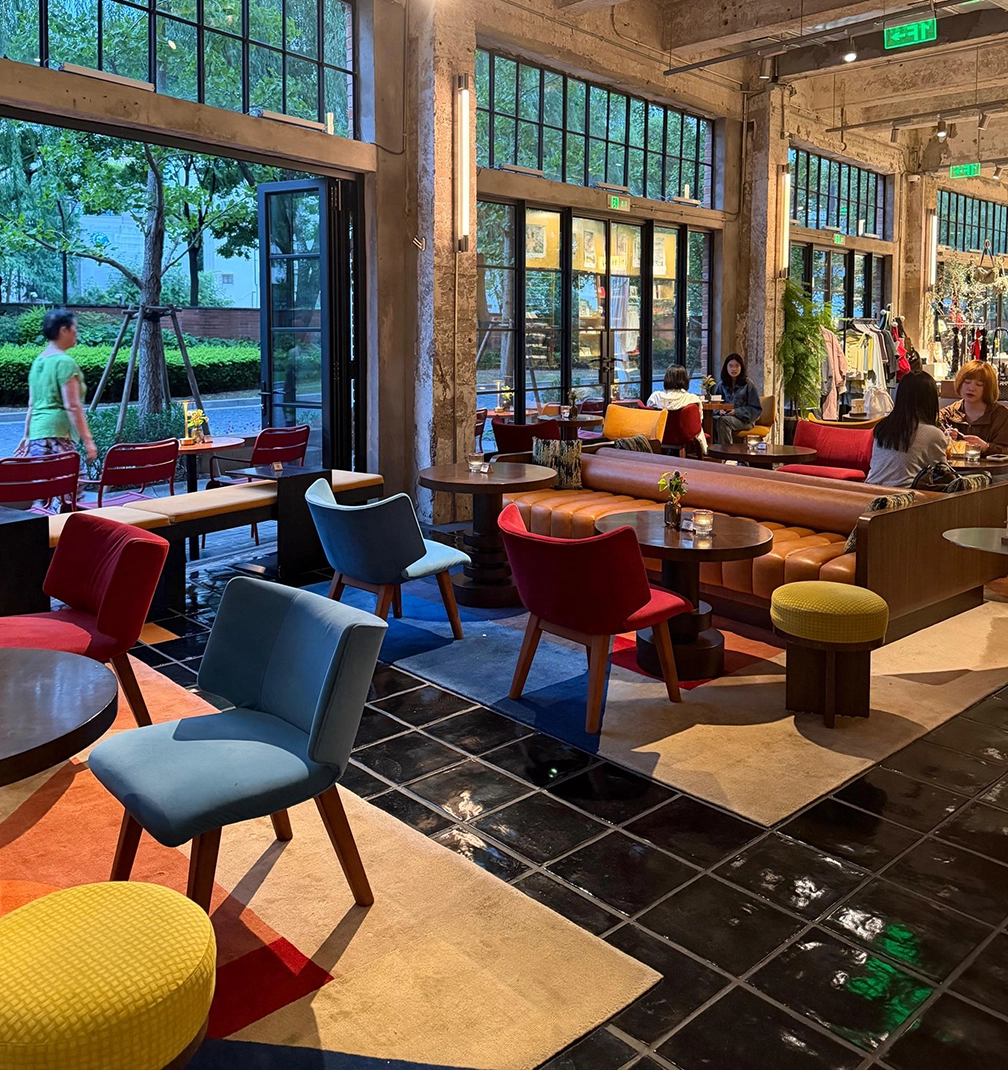
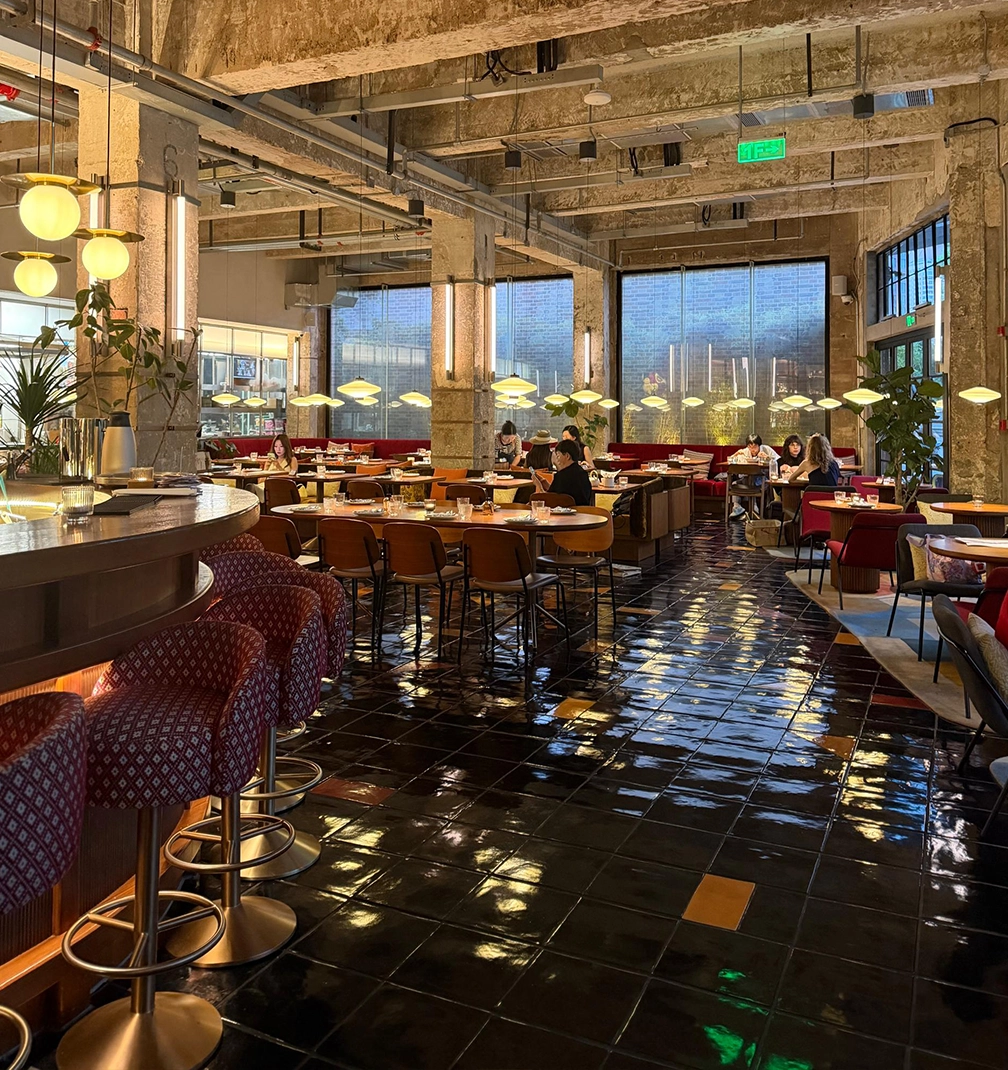
Then there’s the food. The Fotografiska Café Bar is integrated into the art bookshop, and downstairs you’ll also find MONA by Fotografiska, their beautiful Mediterranean-inspired restaurant with Asian influences. Think black glazed tiled floors, cameras everywhere and tables outside overlooking the Suzhou River.

The skirt that thinks it is a painting.

We had an amazing artisanal Chinese kombucha and incredibly delicious spicy fried mushrooms. But perhaps my favourite entertainment was simply sitting outside and watching the running clubs stream past. Shanghai, it turns out, takes its running very seriously. Groups and groups of runners kept appearing along the river while we sat very happily with our kombucha and mushrooms, doing absolutely no exercise whatsoever.

And one final, very important detail: perfect toilets.

A great museum shop, great food, a beautiful place to sit by the river and, apparently, there is also an excellent photography museum upstairs.

We’ll get to that next time.

Fotografiska Shanghai
127 Guangfu Road, Jing’an District, Shanghai

The skirt that thinks it is a painting.